
At first glance, finger-licking looks like a strange or lazy habit. If you do a little bit of research, however, you will find out that it has nothing to do with taste and everything to do with how moisture changes contact and how your skin senses it. Capillary action, mechanoreceptors, and hygroscopic paper are the three keywords that unlock the significance of this ”weird habit”.
The Archive of Habit
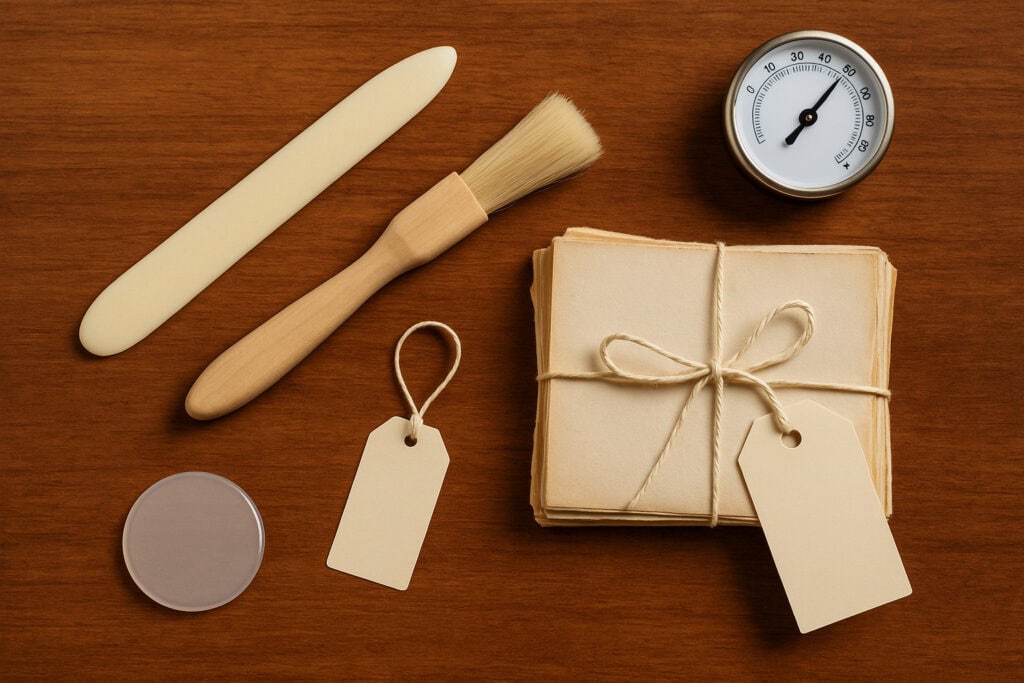
Across classrooms, courtrooms, and newsrooms, people have watched readers do this move for a long time. In old print shops, paper stacks could feel dry, dusty, or slightly stuck together, and workers handled thousands of sheets a day. Librarians and archivists later wrote handling guides to protect books and documents, since oils and moisture can stain or warp fragile pages. Modern preservation teams still teach careful page turning and clean, dry hands, because better care keeps collections safe for decades.
The paper itself also has a say. It is made from cellulose fibers that take up and release water from the air. In plain terms, paper “breathes” with humidity, so it feels different on a dry winter afternoon than on a damp summer night. Industry and lab guides explain how moisture changes paper size, curl, and feel, which affects how pages slide past each other in a stack.
Human skin plays a role, too. The pads of the fingers are built for touch, not just for pushing buttons. They carry tiny ridges and pores, and inside the skin sit touch sensors that notice stretch, slip, and vibration. Basic, readable summaries of touch sensing appear in entries on mechanoreception, which describe how contact deforms the skin and how the brain reads those signals. When skin and paper meet, that mix of texture, moisture, and force decides whether a page sticks or skates.
Hidden mechanics
Tuning the Friction Coefficient
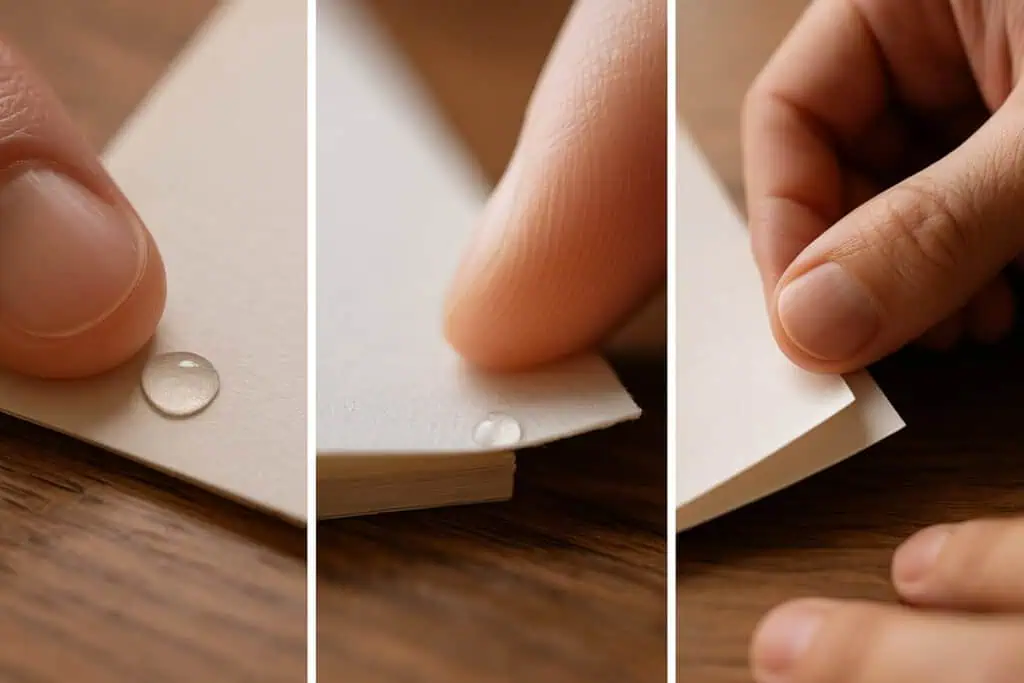
When two dry surfaces meet, they can slide because there is not enough real contact to hold them. As a little water appears, it changes the contact patch and increases microscopic stickiness, making movement easier to control. Studies of fingertip friction show that a small amount of moisture often improves grip by altering how ridges press and how the skin deforms. Because of this moisture effect, the act provides the missing traction exactly when the physics require it.
The “Liquid Bridge” Physics
On a smooth page, even a film of liquid can form tiny bridges between the page and the fingerprint ridges. This is the same basic physics that helps a towel soak up water. The effect appears in porous or fibrous surfaces when a liquid wicks into small gaps. Reference articles on capillarity explain how small spaces pull liquid inward and create extra hold. As those little bridges form and then release, the page becomes easier to pinch and separate, especially near the corner.
Tactile Gating
Your nervous system constantly asks, “Is it slipping or holding?” and then adjusts force. Touch sensors respond to stretch and vibration in milliseconds, but dry skin can give weak or noisy signals. With a hint of moisture, the page sends stronger feedback because there is less micro-slip and more stable contact. After that, with improved feedback, the brain adjusts pressure more accurately, ensuring the motion finishes cleanly.
Hygroscopic Behavior
Very dry rooms and very dry paper, lower natural tack. In those conditions, sheets cling by static or stick by fiber interlock, yet fingertips still feel “too slick” against the surface. Materials guides show how humidity shifts sheet behavior and handling. The environment effectively sets the stage, and the biological habit serves as the final variable to correct the physics.
The Biological Solvent
Saliva is mostly water with salts, enzymes, and mucus that help wet and protect soft tissue. Medical references explain how glands control their mix and flow. Those ingredients change how liquid spreads and sticks to skin. After that, a very thin film coats the fingertip, and the lift mechanics engage reliably at the exact moment of contact.
Frequently Asked Questions
Is this only about dry skin?
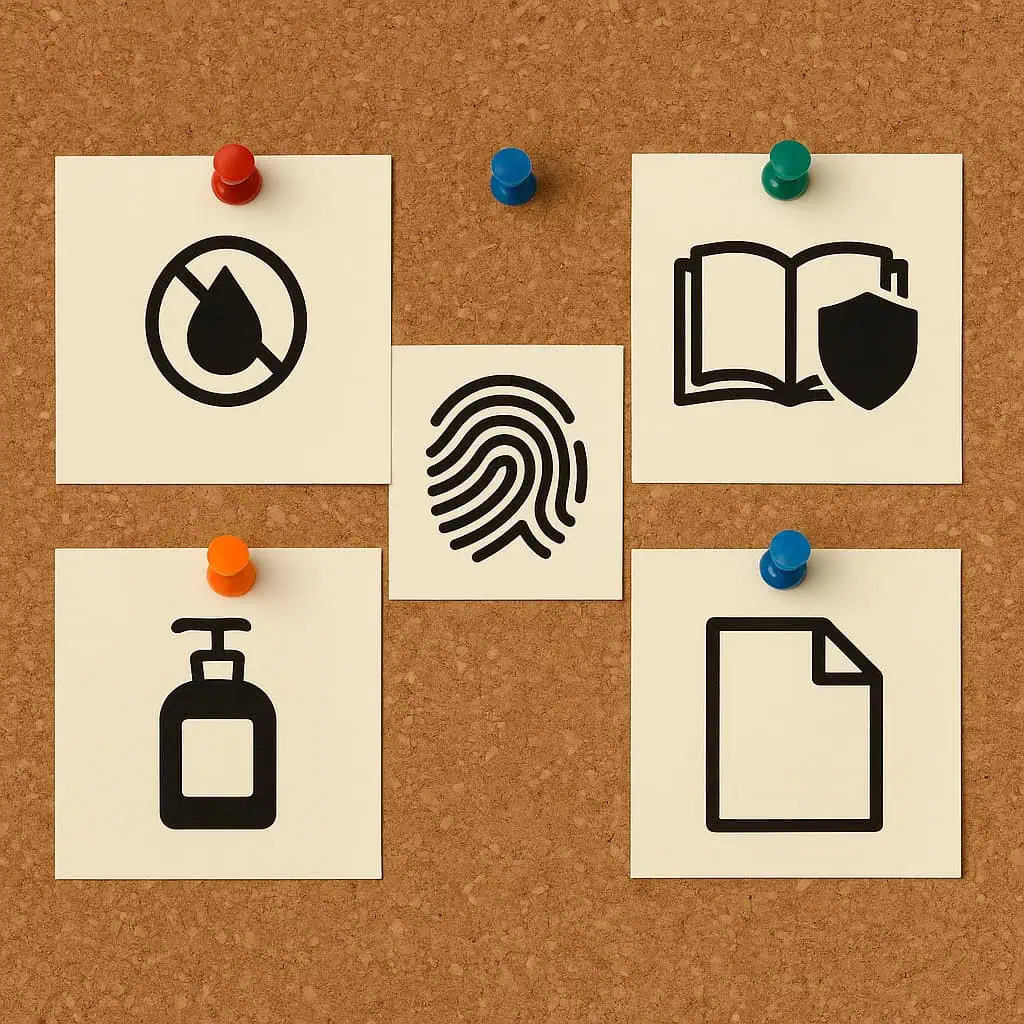
Dry hands make the problem worse because low moisture lowers friction and dampens touch signals, but surface physics still applies to any hand and any page. When conditions are already humid, the gain from adding moisture shrinks, so readers usually skip the habit without thinking.
Do fingerprints matter, or is it all spit?
Ridges steer liquid and change the microscopic contact map, so they matter even with plain water. Tribology studies point out that sweat pores along the ridges help manage moisture at the contact zone. That means skin design helps, and the thin wet film only finishes the job during the pinch.
Will this damage books?
Moisture, oils, and food residue can stain paper and promote microbial growth over time, especially in older or valuable items. Preservation teams recommend clean, dry hands and gentle page turning.
Why not use lotion instead?
Lotions often leave a residue that can transfer to pages and attract dirt. In workplaces that move a lot of paper, people use purpose-made fingertip moisturizers or rubber finger cots to add grip without oily films. Those tools change friction like moisture does, but they avoid the hygiene and staining issues.
Is paper type the real cause?
Coated magazine paper, glossy mailers, and some modern office papers feel slick because of their surface finish. Uncoated newsprint is more porous, so moisture spreads faster into the fibers. Materials research on hygroscopic behavior explains why humidity and finish change handling, which is why some pages separate cleanly, and others need a boost.
Bonus: fun facts
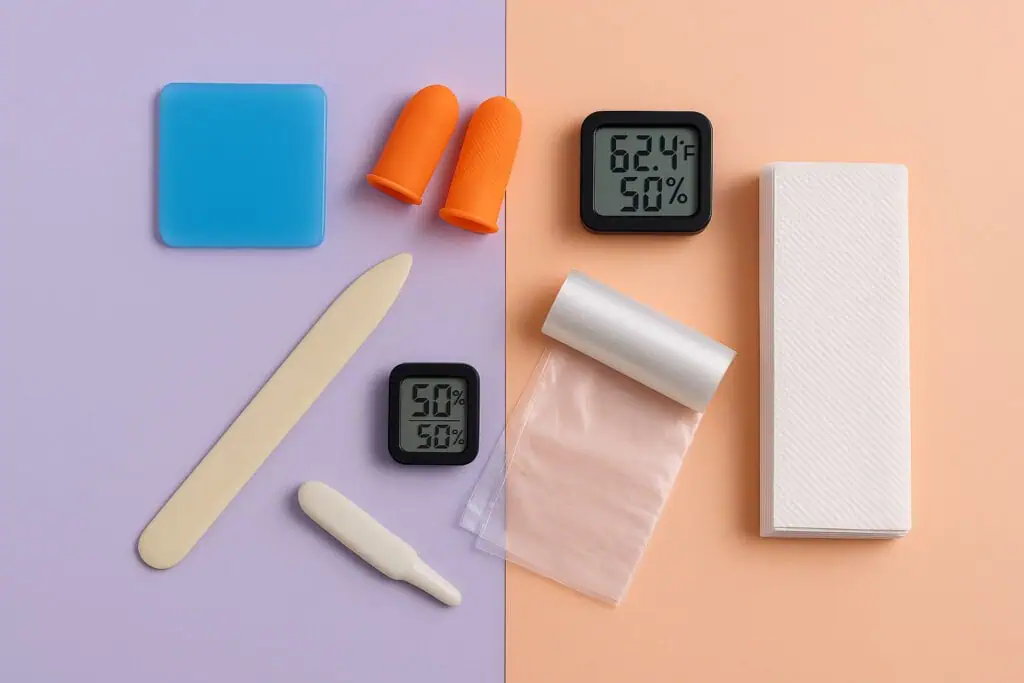
Beyond the library stack, the physics of grip extends to banking, biology, and newsrooms.
- Cashiers, bank tellers, and mailroom staff often use tacky pads or gel blocks to add grip while maintaining a clean, fast touch. The idea copies the same physics as the fingertip move, but with better hygiene.
- Newsprint and recycled stocks vary in fiber length and fillers, which changes surface feel and how much moisture they absorb in a second or two. That difference explains why some newspapers flip easily while some feel stubborn until you adjust your grip.
- Fingerprint ridges also help water drain away under light pressure, so you can both gain traction with a micro-film and avoid a full slip when liquid pools. That balance is part of why human fingertips handle paper, glass, and metal with the same basic rules.
Final word
It is no longer just a meaningless tic, is it? As you are now well aware, thin liquid layers, tiny bridges between skin and fibers, and fast touch signals are doing the real work behind a page turn. Once you notice that setup, you start seeing it everywhere, from grocery store bags to napkin stacks. Which other habits might be doing more behind the scenes?
Interested in exploring similar posts? Visit The Science of Everyday Life hub for more!