
TL;DR: Why is it bad luck to open an umbrella inside? Because two stories merged: older beliefs say an umbrella’s “sacred shade” offends gods or protective spirits indoors, while a very practical Victorian warning said metal-spoked umbrellas could injure people or smash valuables in tight rooms. Put simply, the superstition is part symbolism and part safety reminder—and that’s why it stuck.
A short history of umbrella beliefs
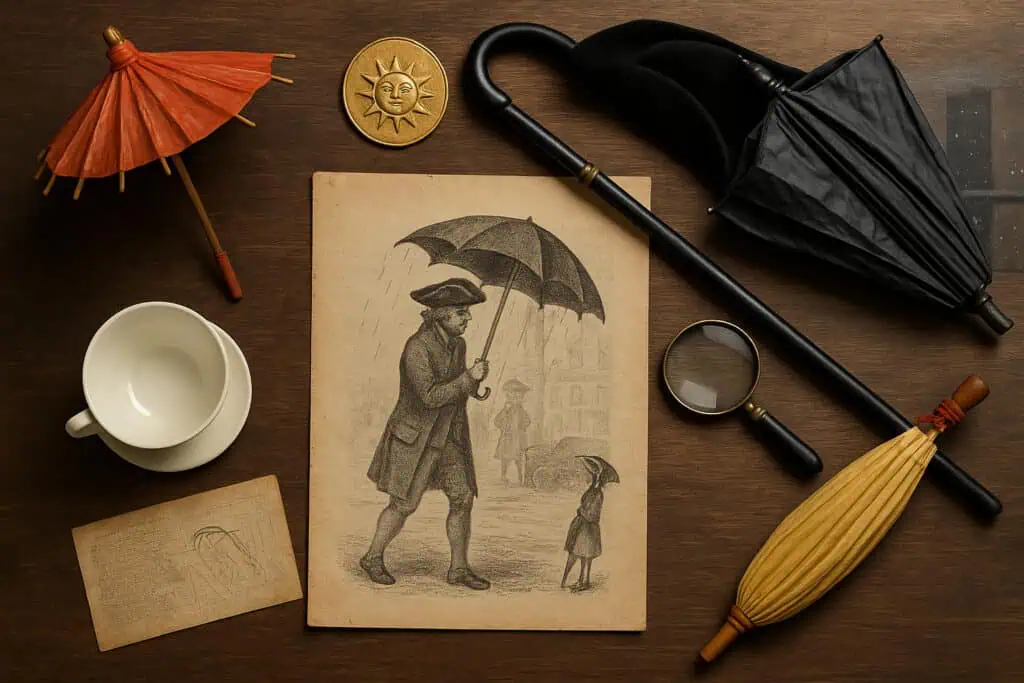
Across the ancient world, parasols were about shade, status, and ceremony—not rain. In Egypt and elsewhere, nobles used canopies to keep off the sun; the object’s meaning was bound to the sky and to ritual processions. Later, Europe adopted umbrellas and parasols for fashion and weather, with 18th-century London slowly normalising everyday use. Writers often credit Jonas Hanway for popularising the umbrella in London around the mid-1700s, although women were already using them.
By the 19th century, spring-loaded metal spokes made umbrellas quick to deploy—but risky indoors. In small parlours, a sudden snap could jab eyes or topple china. Newspapers, etiquette, and later popular magazines repeated these hazards often enough that “don’t open it indoors” sounded like common sense.
Meanwhile, different cultures tied umbrellas to luck in their own ways. In Chinese gift-giving, for example, “umbrella” (伞 sǎn) sounds like “to scatter/separate” (散 sàn), so gifting one can hint at a breakup—another reason people treat umbrellas carefully around the home.
3 weird reasons: why is it bad luck to open an umbrella inside?
“Sacred shade” and home spirits
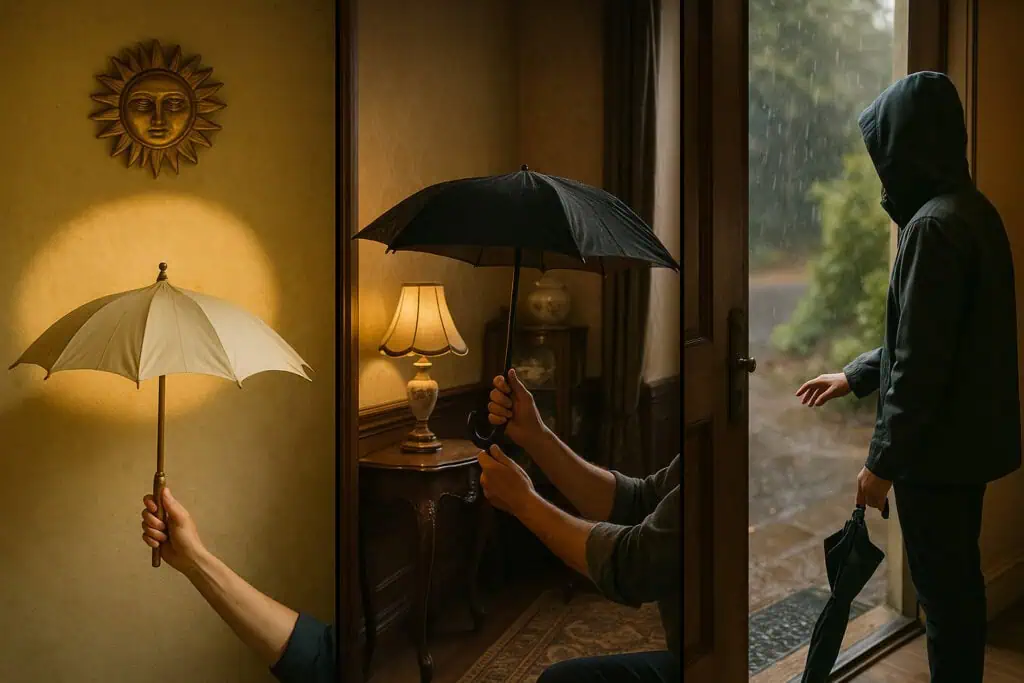
One strand points back to older sun-shade ideas: if a parasol belongs under the sun, then opening it indoors insults the sun’s power. Popular explanations retell this with ancient Egypt and the sun god Ra, and even if details vary, the symbolic logic is the same—don’t bring the sky’s shield under a roof. Some folk versions also say a home’s protective spirits dislike umbrellas opening over “safe” space, which might “invite” misfortune. These are folklore explanations, but they explain why the idea feels spiritually charged to many people.
The Victorian safety story
Another strand is bluntly practical: those early metal-spoked brollies were small-room hazards. As writer Charles Panati noted, a rigid frame snapping open could poke an eye or shatter fragile objects, so the taboo likely helped prevent accidents. Modern explainers and science writers add that a superstition can spread faster than a dry safety memo—so the “bad luck” tag did the public-safety job.
Psychology keeps it alive
Even today, people lean on magical thinking to feel in control of risk. Anthropologists point out that superstitions provide quick rules of thumb; if a rule is easy to picture (umbrella exploding open) and to avoid (wait for the door), it endures. That’s also why tongue-in-cheek events like “National Open an Umbrella Indoors Day” exist—to poke fun at the belief and show nothing catastrophic happens.
Modern etiquette: no bad luck, just bad mess
There’s no legal or religious rule here. However, opening one still can drip water on floors, bump a nearby face, or smack a lamp, especially in tight hallways. So, the common-sense advice is: shake it outside, keep it closed indoors, and open it only when you reach clear space. The superstition is optional; the safety and tidiness are not.
FAQs: why it’s bad luck to open an umbrella inside
Did this start in ancient Egypt or in Victorian England?
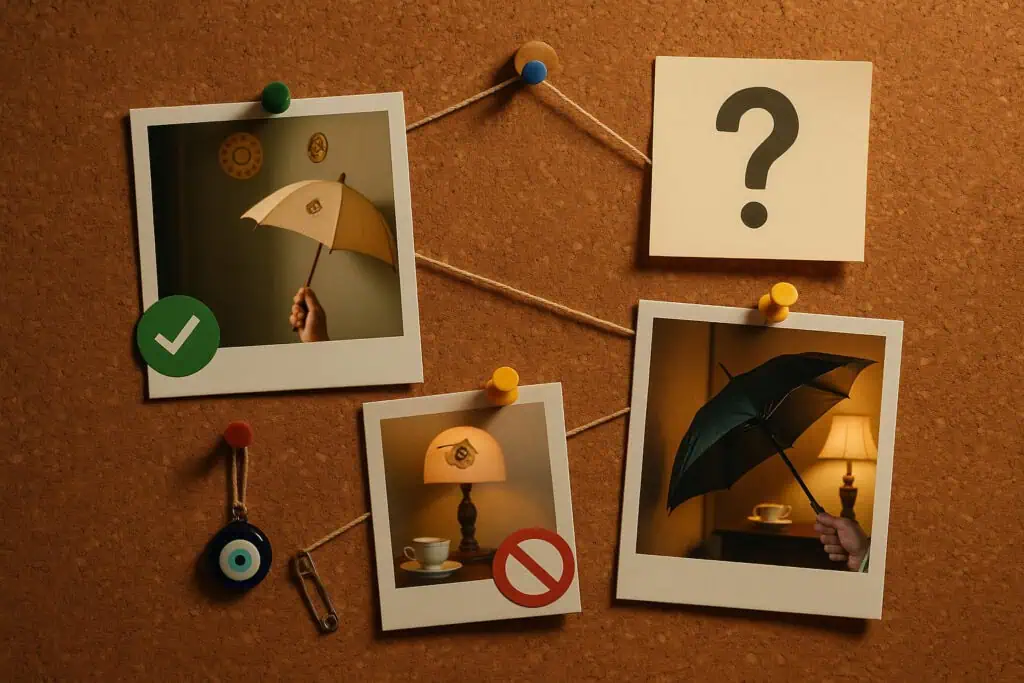
Both stories circulate. Yet many historians say the Victorian hazard explanation best fits the gear we actually used (spring triggers, rigid spokes, cramped rooms). The “Egyptian offense to the sun” tale remains a popular folk origin.
Is there any evidence people really believed the taboo?
Yes—reference works on English folklore list “it’s unlucky to open an umbrella indoors” as a widely known superstition in Britain, not a fringe idea.
Does the umbrella have to be black, new, or a gift for the bad luck to count?
Folklore loves add-ons like “only black umbrellas,” but those are local variations. The core belief is simply “don’t open one indoors,” and even that varies by family and region.
Is it global?
The indoor-opening taboo is strongest in Western contexts (especially the U.K.), but umbrellas connect to luck in other places in different ways—such as the Chinese homophone that makes gifting an umbrella suggest separation.
How do people “undo” the bad luck if they already opened one?
Some cultures playfully suggest rituals, but there’s no evidence any of them matter. In fact, there’s a day dedicated to proving the superstition wrong by opening umbrellas indoors—just for fun.
Bonus section
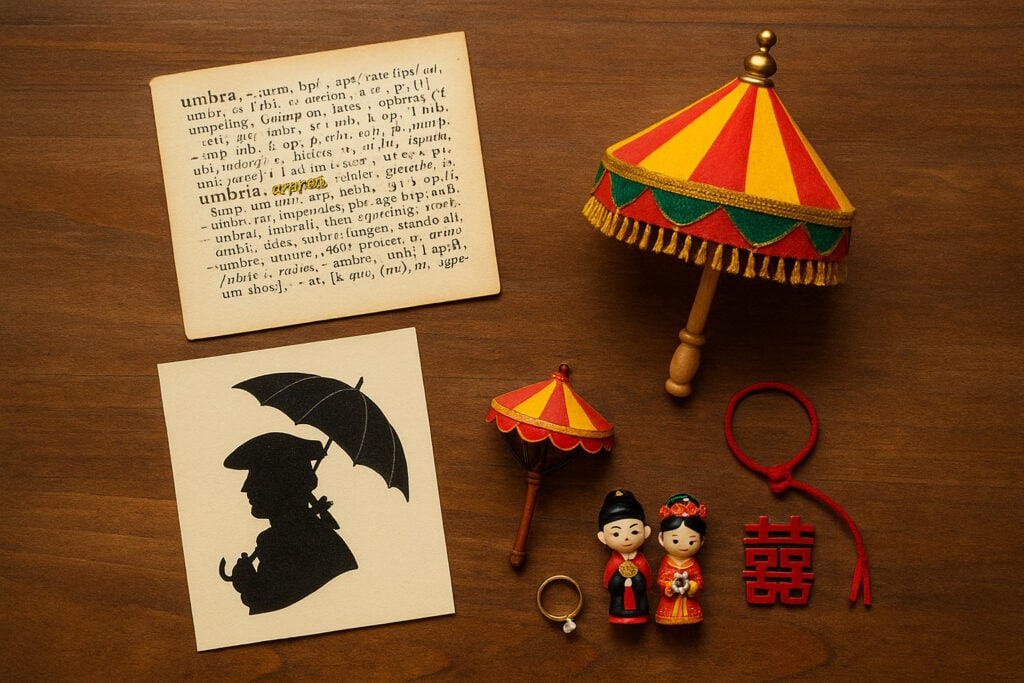
- The word itself points to shade. Umbrella comes via Italian from Latin umbella, a diminutive of umbra—“shadow.” That little etymology reminds us the object began as a sun tool, not rain gear.
- London’s umbrella rebel. Jonas Hanway is often named as the first man to carry an umbrella routinely in London (women did earlier). He was mocked by coachmen who feared losing rainy-day fares; nevertheless, the habit spread.
- From taboo to parade. In several Christian and Orthodox traditions, a ceremonial umbrella (the umbraculum) still appears in processions—honouring sacred things rather than warding off luck.
- Gift signals vary. While umbrellas can be taboo as gifts in Chinese contexts because of the separation pun, oil-paper umbrellas also appear in wedding customs in parts of East Asia, where they symbolically protect and bless the couple—context matters.
Final word: why is it bad luck to open an umbrella inside?
Why is it bad luck to open an umbrella inside? The belief blends old symbolism (don’t bring sky-shade under a roof; don’t upset household spirits) with newer safety (don’t snap metal spokes in a cramped room). Because both ideas are vivid and easy to remember, the rule endured—even when the real “bad luck” today is just a wet floor or a bumped lamp.
Interested in exploring similar posts? Visit the Hidden Histories & Origins hub for more!