
Think that a sneeze is just your body blasting out dust or germs? Not really. Today, we are going to learn how the real reason sits inside a protective reflex loop between the nose and the brainstem. Terms like trigeminal nerve, histamine signaling, and photic sneeze reflex are some of the major pieces of the puzzle.
From Folklore To Labs

Across history, loud bursts from the nose drew quick meaning. People said “bless you,” doctors warned about drafts, and writers kept notes on odd triggers like sunlight. Culture gave sneezing a script, and the word “sternutation” gave it a formal name. As science matured, simple stories became testable ideas, and careful observation began to replace superstition.
Public curiosity never went away, either. Museums and science magazines kept asking what is really going on, and their explainers tracked new studies over time. A readable example is this short, friendly overview on sneezing from the Smithsonian, which gathers common questions and puts them into context without the jargon found in journals.
Protective Airway Reflex
The Trigeminal Gate
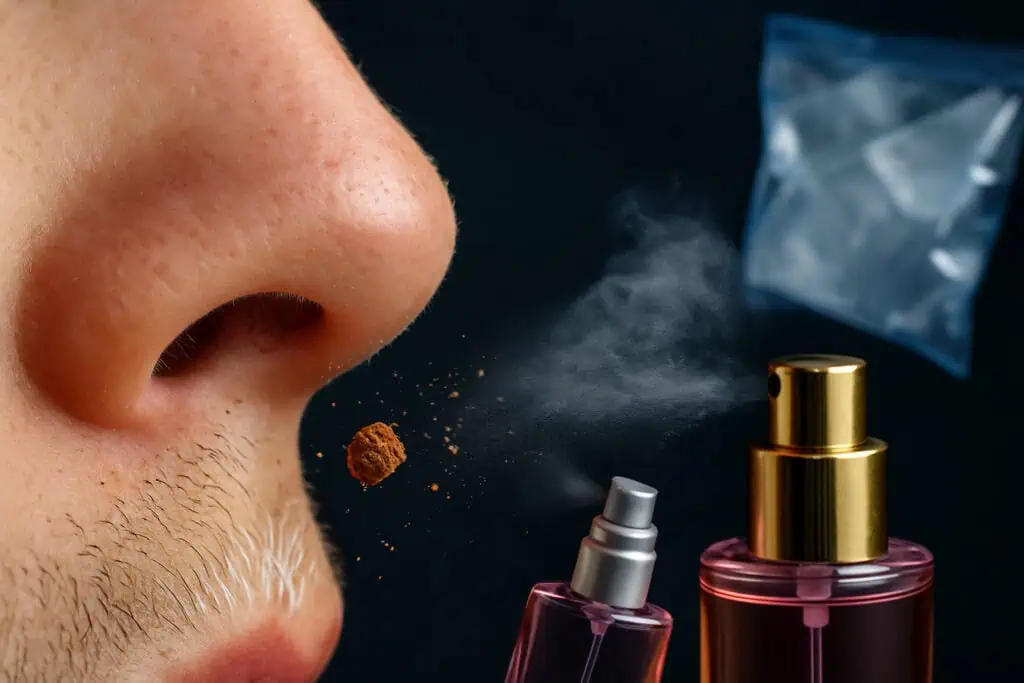
Inside the nose, tiny sensors watch for trouble long before you feel an itch. Particles, strong odors, and cold air press on or chemically nudge the lining, and sensory fibers send those signals into the face’s main wiring bundle. That bundle is the trigeminal nerve, which carries the alert signal toward the brain. Because the first step is detection, the body does not blast air right away; it gathers evidence. Only when enough stimulation stacks up does the reflex continue, and that late surge is when most people ask why we sneeze at all: to clear irritants once that threshold is met.
Brainstem Micro-Program
After the alert arrives, a cluster of neurons in the brainstem assembles a timed sequence. The soft palate lifts, the vocal cords close, the chest muscles squeeze, and pressure builds like winding a spring. Then the glottis opens and a sharp, coordinated blast launches droplets outward. Researchers have begun mapping this path at the molecular level, revealing peptidergic neurons that shape the reflex arc from the nose to the medulla and back to the breathing muscles. Because this pattern is hard-wired, a sneeze feels automatic, and that is why the blow seems to “happen to you” rather than being a choice.
The “Compression-Release” Cycle
The “pop” is not just force; it is timing. First comes a fast inhale, then a brief clamp on the throat closes the system, and finally a rapid release sends a pulse through the nose and mouth. Airflow lines up with a quick head dip and eyelid closure to protect the eyes. Because the valves and muscles work together, the system gets a powerful expulsion from a small motion, and that is why the body favors one sharp volley over a weak trickle of air.
Histamine’s Role
During allergy season, the nose’s threshold can drop. Pollen or dander binds to IgE on mast cells, histamine and other mediators spill out, and nerve endings become extra sensitive. As a result, light irritation that you would ignore in winter can set off a full reflex in spring. When people ask why we sneeze more around grass or cats, the short version is that the immune system has prepped the nose for a faster response.
Cross-Wired Triggers
Some triggers do not come from dust or pollen at all. Bright light can trigger cross-talk between the eye and nose pathways, which is why a few people sneeze when they step into the sun. Big meals can swell the stomach and jostle shared nerves, so a handful of people sneeze when they feel suddenly full. Spicy foods can also spark the nasal nerves and moisture, which sets the stage for a reflex if the threshold is low. Because these are variations on the same wiring, they feel quirky yet consistent.
The Nonallergic Bucket
Cold air, perfume, smoke, and even changes in humidity can set off sneezes without any immune reaction at all. Doctors group these under nonallergic rhinitis, and management focuses on reducing triggers and calming overly reactive nasal nerves. Understanding this bucket is important, since treatment choices differ from those for classic hay fever.
Frequently Asked Questions
Do sneezes “stop the heart”?
During the wind-up, pressure in the chest spikes and then drops, and that swing can momentarily change blood flow and heart rhythm. The heart keeps beating, though, and the feeling of a “pause” comes from reflexive rate shifts, not a true stop. That is why myths about the heart do not hold up under monitoring.
Is holding in a sneeze dangerous?
Inside pressure rises quickly, and sealing the nose and mouth removes the normal relief valve. In rare cases, that added force can injure the eardrum or irritate fragile blood vessels. The reflex exists to expel air, so letting it out into a tissue is safer than trapping it.
Can people sneeze in their sleep?
Sleep changes the body’s arousal systems and reduces reflex sensitivity. Sensory input to the sneeze circuit drops during deeper stages, so the full reflex almost never launches while you are truly asleep. Most people wake, then sneeze. That timing explains why sneeze episodes occur right after rising rather than at 3 a.m.
Why does sunlight make some people sneeze?
Bright light can activate pathways near the eye that sit close to nasal sensory routes, creating a brief misfire that feels like a nose itch. Because these circuits share neighborhood and timing, a sneeze pops out when you step into noon daylight.
Are sneezes always signs of infection?
Many sneezes are triggered by noninfectious factors such as allergens, perfumes, or cold air. Infections add mucus and soreness, but the core reflex is the same protective motor program. That overlap is why a single sneeze tells you little on its own.
Bonus: Odd Little Details

Beyond the obvious dust triggers, the sneeze reflex has several surprising sensory taps.
- Eyebrow plucking can trigger a sneeze because tiny skin nerves connect to the same trigeminal system that supplies the nose.
- Peppermint and menthol feel “cold” by activating receptors involved in temperature sensing, not by lowering the actual temperature.
- Some folks sneeze in twos or threes. The first blast clears the big irritant, and the next one or two finish the job as the threshold resets.
- A runny nose from spicy foods can happen even without allergies, a pattern doctors call nonallergic, or vasomotor, rhinitis.
- Researchers continue to map the sneeze circuit, and studies of reflex timing help explain why we sneeze differently from person to person.
Final Word
Instead of seeing a sneeze as a nuisance, you can see it as a quick safety check that keeps the airway clean and the eyes protected. Simple actions we take for granted often hide careful engineering, and paying attention to those hidden systems can make everyday life feel more understandable and a little more under your control.
Interested in exploring similar posts? Visit The Science of Everyday Life hub for more!