
Wisdom teeth are usually thought of as teeth that exist only to be removed. In reality, their place in the mouth reflects how jaws grow, how chewing forces shape bone, and why some people never develop them at all. Terms like “masticatory functional hypothesis,” “third-molar agenesis,” and “PAX9” hint at the answer, but the pieces only click once we look at history and mechanics first.
Shifting food and faces
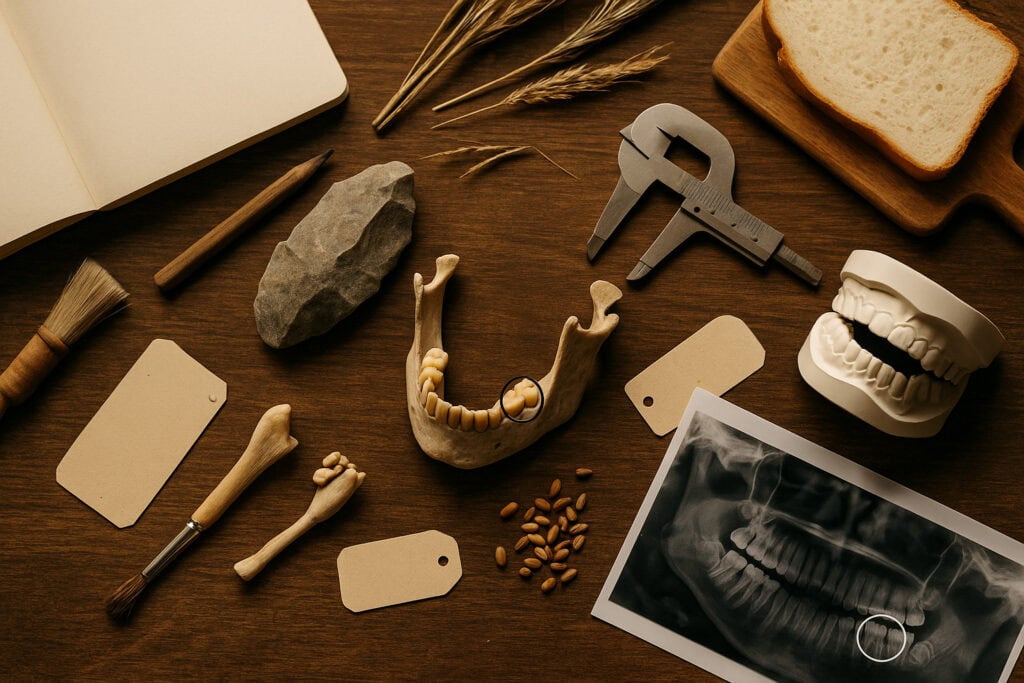
Before blenders, baby food, and soft bread, people chewed tougher plants and unprocessed meat. Over many generations, those heavier chewing forces shaped wider dental arches and roomier jaws. Archaeological and human evolution resources note that the very back molars helped early people grind rough foods, which made late-arriving molars useful in daily life, not just as extra decoration.
Later, as cooking, cutting tools, and processed foods spread, the average face and jaws became smaller. Researchers in biological anthropology have long discussed how reduced chewing load has been accompanied by smaller jaws over recent centuries. A readable overview on Harvard’s news site explains how softer diets mean less work for the jaw muscles, which, in turn, align with smaller faces and more dental crowding in recent populations.
As this shift played out, dental practice also changed. Routine removal of symptom-free wisdom teeth became common in some places. However, modern evidence reviews have challenged blanket removal and pushed dentists to monitor first, intervene when needed, and consider each mouth on its own terms. History sets the stage. Now, let’s answer what most readers ask: why do we need wisdom teeth today?
Late-blooming molar logic
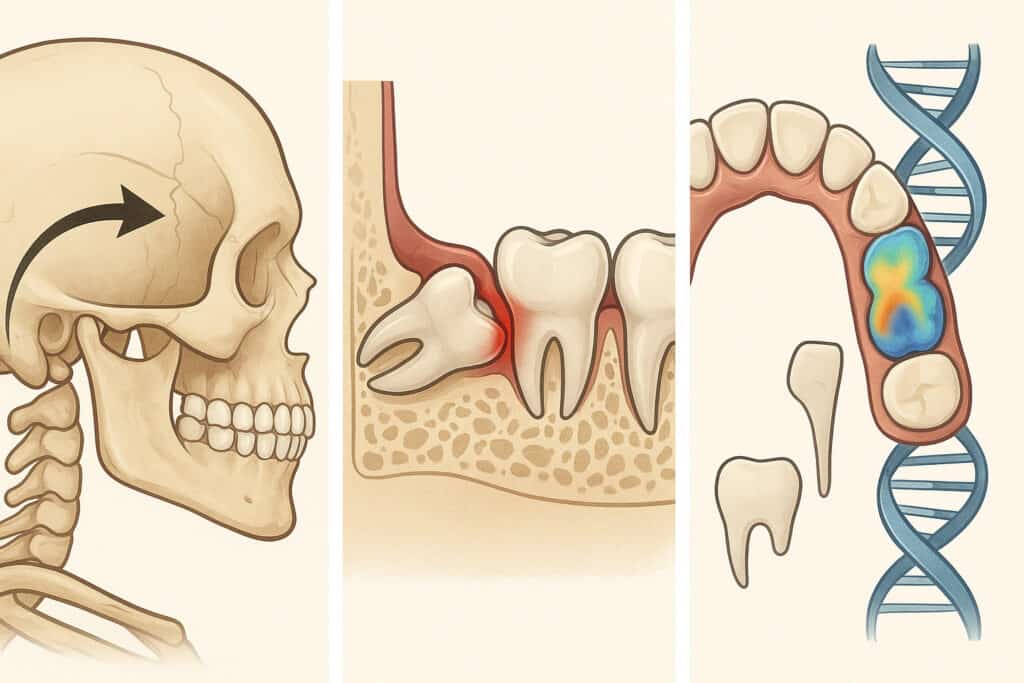
People ask why we need wisdom teeth when they often seem to cause trouble, yet the mouth still follows mechanical rules that explain when they help and when they hurt. The details below show how growth, space, and use all decide their fate, which is why the real answer sits near the end of each point.
Jaw growth signals
Bone listens to force. During childhood and the teen years, tougher chewing sends signals that encourage broader arches and a bit more “real estate” at the back of the mouth. With softer diets, those signals get weaker, arches narrow, and the last molars run out of runway. Because chewing load helps determine room, people who grow wider arches sometimes accommodate these teeth without issues, which is when wisdom teeth can simply serve as extra grinders near the end of the dental row.
Space, angle, hygiene
Teeth erupt along paths set by root shape, angle, and available space. If the third molar tilts forward or remains trapped under gum tissue, food and bacteria can collect, increasing the risk of decay, gum infection, or cysts. Dental organizations explain that poor position and partial eruption increase risk, while fully upright and cleanable teeth are much less likely to cause disease. Because angulation and access drive risk first, a well-positioned wisdom tooth that you can brush and floss acts like any other molar, so it can be kept and used for chewing rather than removed.
Load sharing in chewing
Most chewing happens on the molars. When there is room and a healthy bite, the last molars add contact area, spreading force across more tooth surfaces. This reduces peak pressure on neighbors and can make heavy chewing feel easier. Clinical resources note that third molars are simply part of the molar group and, when healthy, contribute to grinding food just like the others (function and location). Because molars are a team sport, a sound third molar can help with crushing and grinding, which is one reason a dentist may advise keeping it.
Changing human genetics
Not everyone even grows wisdom teeth. Some populations exhibit high rates of third-molar agenesis, meaning the tooth buds never form. Research links this pattern, in part, to developmental genes, including variants in PAX9 and MSX1 that influence whether certain teeth form. Population studies report wide variation in the prevalence of missing third molars across groups and even within families. Because many people lack these teeth by birth, the body clearly does not always rely on them, which is why the practical need depends on whether you have them and whether they erupt into a healthy, usable position.
Frequently Asked Questions
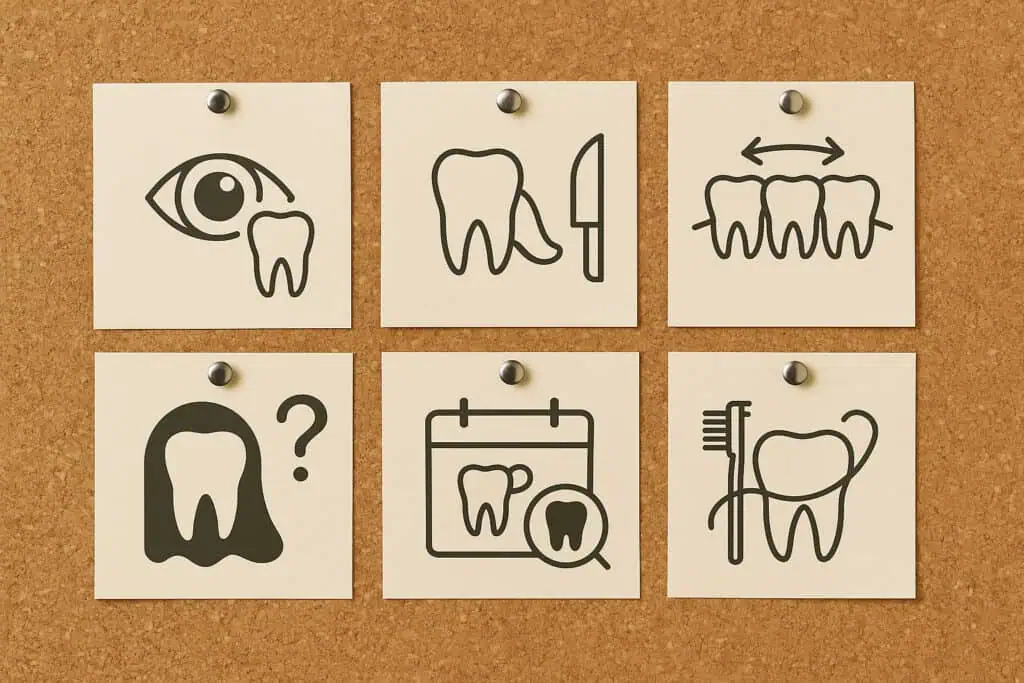
Do they always need to be removed?
Surgeries are not health goals by themselves, and evidence standards matter. Reviews of trials comparing removal versus watchful waiting for symptom-free, disease-free impacted teeth have found limited and uncertain benefits for routine removal. Monitoring, with regular dental checks and imaging as needed, is a common, evidence-based approach to maintaining healthy teeth. Therefore, the choice usually depends on risk signs, not a calendar age.
Do they always crowd the front teeth?
Lower front crowding often shows up even in people without wisdom teeth, because late growth, natural forward drift, and changes in gum support all play roles. Dental guidance describes crowding as multifactorial and notes that third molars that lack space can exert pressure on neighbors, yet straight, fully erupted third molars are not automatic crowd makers. In practice, a dentist examines your bite pattern and tooth angles before blaming a single tooth for all the movement.
Are they useless vestiges of evolution?
It is true that many sources list wisdom teeth as vestigial traits because modern jaws are smaller, and many people never develop them. Encyclopedias even include them on short lists of leftover human features. Even so, when they are present, properly aligned, and easy to clean, they can function as normal molars, which means “vestigial” does not always mean “nonfunctional.”
Is waiting risky if a tooth is quiet right now?
Silent does not always mean safe, but it also does not mean doomed. Dentists watch for warning signs such as repeated gum swelling, decay behind the second molar, cyst formation, or bone changes on X-rays. If none of those appear, many providers choose monitoring with hygiene coaching and periodic imaging, since removal also carries risks like pain, dry socket, and nerve injury. This is why decisions weigh both sides rather than using a one-size rule.
What about age and the difficulty of removal?
Healing potential, bone density, and root shape tend to make extractions simpler in the late teens and early twenties. Later in life, denser bone and more complex roots can raise the difficulty. Nevertheless, many adults still have safe removals when there are clear reasons. Your specific anatomy, not just your birthday, guides timing.
Bonus: Fun Facts
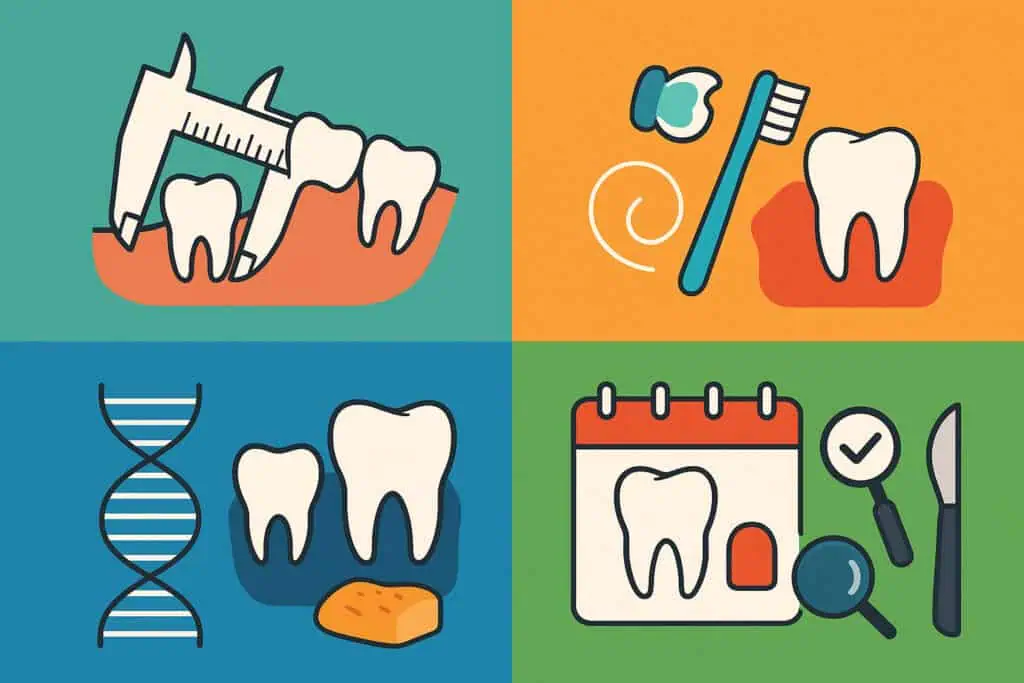
Beyond the extraction debate, the biology of the third molar reveals a few fascinating footnotes.
- Third molars usually erupt late, between ages 17 and 25, but timing varies widely among people and families. Some individuals have two or three, and others have none. In rare cases, a person grows an extra “fourth molar” behind a wisdom tooth. Across the world, agenesis rates differ, with some groups showing many people missing one or more third molars at birth, which aligns with the idea that modern humans can live well without them when they are absent by nature.
- Daily care still matters. If you keep a wisdom tooth, you must reach the back corners with the toothbrush, floss around the gum flap if it is present, and see a dentist regularly.
- Jaw growth can respond, at least a little, to early chewing habits. Harder, longer chewing in childhood seems to stimulate bone in ways that support wider arches, while constant soft diets do not. Historical and anthropological summaries connect these habits to shifts in face shape and bite patterns over the past few centuries. This does not mean you can “chew your way” into guaranteed space for third molars, but it explains why past populations often had room where modern mouths do not.
Final Word
Instead of seeing a wisdom tooth as a ticking time bomb, you can see it as a conditional helper that earned its spot in our past but now needs a case-by-case decision. This perspective shifts the worry from “Will it ruin my smile?” to “What does my mouth need right now?”
Because that simple shift invites better conversations with your dentist, it also makes space for smarter choices about monitoring, timing, and care. And if you are still wondering why we need wisdom teeth in a world of smoothies and soft rolls, consider this open question: as our diets and lifestyles keep changing, will mouths keep adapting, or are we already as small as our jaws will comfortably go?
Interested in exploring similar posts? Visit The Science of Everyday Life hub for more!