
Many people think shaving before cancer treatment is just because hair will fall out anyway. In reality, it stems from how bodies react, personal coping methods, and routines. “Anagen hair follicles,” “scalp cooling,” and “locus of control” provide important clues; the complete story appears only when these are connected.
Threads that shaped the habit
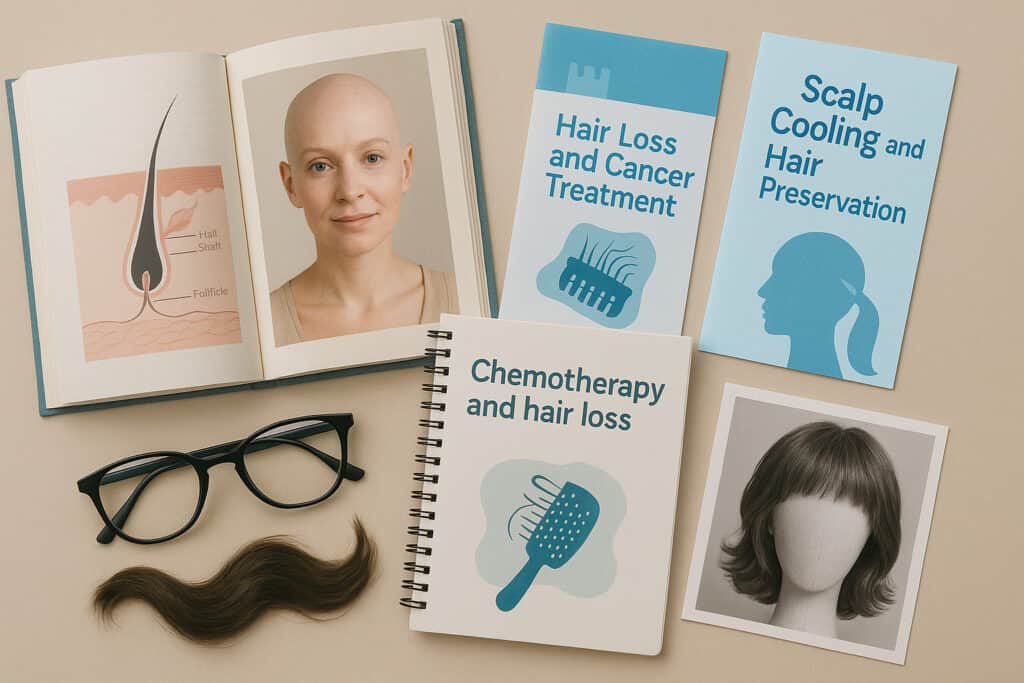
Over the decades, cancer treatment has changed how hair behaves. Early chemotherapy targeted rapidly dividing cells, including hair follicles, so shedding often occurred suddenly. As more people survived and shared their stories, a script emerged: talk to your barber, pick a hat or a wig, and think about shaving before clumps form. Over time, support groups, nurses, and patient guides turned those steps into common advice. For plain-English background on treatment and hair loss, the National Cancer Institute explains what hair loss is and when it happens in their overview of hair loss and cancer treatment.
Wigs, scarves, and caps grew in demand. Hair systems got lighter, adhesives got simpler, and fitting rooms began to feel more like regular salons. At the same time, doctors and nurses taught people how to protect the scalp, moisturize, and watch for skin changes. Practical tips—like switching to a soft pillowcase or using a gentle brush—spread through clinics and community groups. For day-to-day expectations, Mayo Clinic’s guide on chemotherapy and hair loss stays very readable.
A newer twist came from cooling the scalp. By lowering skin temperature during infusions, blood flow to hair roots drops, and fewer drugs reach the follicles. That is why “cold caps” and automated cooling systems entered many centers. Clinical studies—some published in major journals—helped turn this from a niche idea into a topic doctors discuss. One randomized study in JAMA (summarized on PubMed) showed real benefit with modern devices.
What’s actually happening
Follicle shutdown mechanics
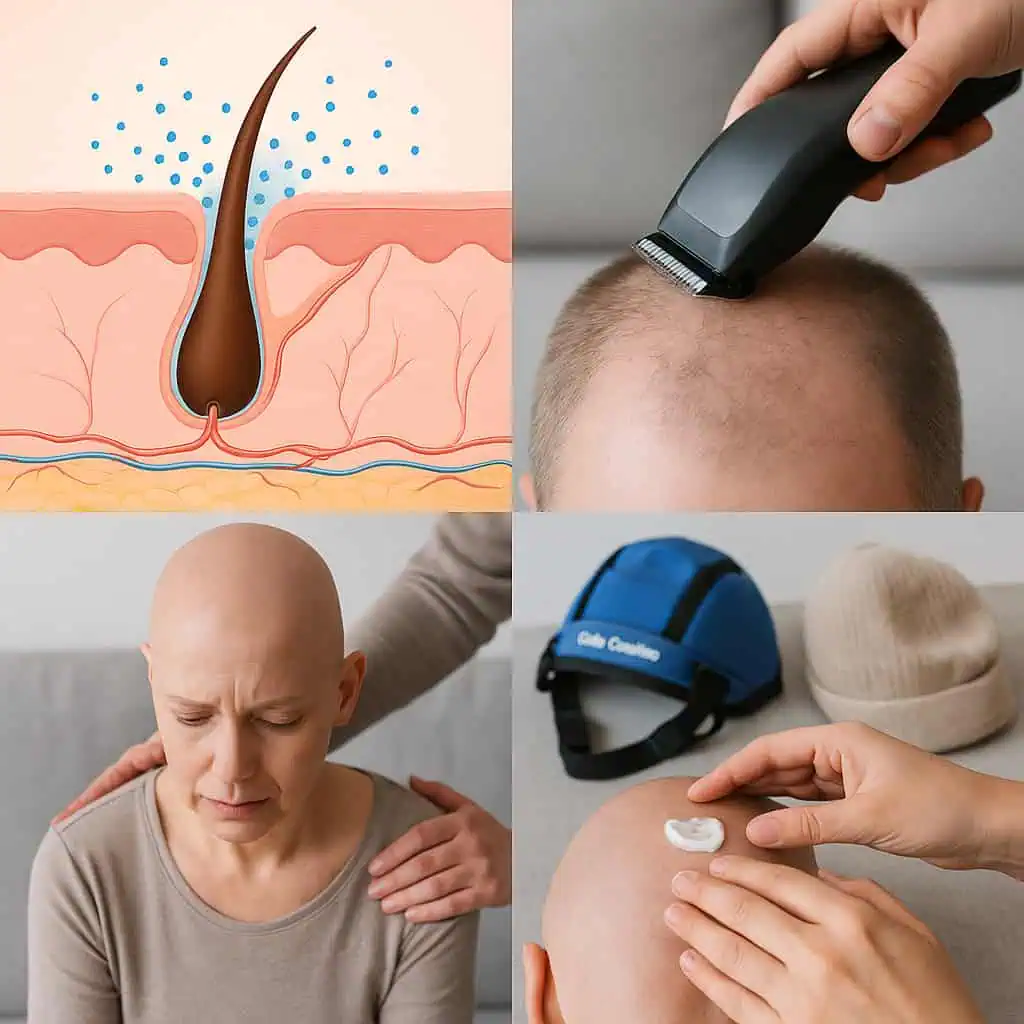
Hair follicles cycle through growth and rest. During the growth stage, cells divide rapidly, making them easy targets for several cancer drugs. When those drugs reach the scalp, the follicles pause and push out weak strands, so shedding shows up on pillows, sinks, and shoulders. After this chain reaction starts, dealing with scattered clumps becomes an everyday stressor; that is why many people wait a short while and then choose to clip close or shave.
Timing, control, and dignity
Losing hair can feel like losing privacy because the change is so visible. People often plan ahead to feel in control: they talk to family, set a date, invite a friend, or book an appointment with a barber. That small plan turns a shock into a choice. Instead of waking up to loose strands in the shower, there is a moment with a mirror and a decision that belongs to the person, not the disease. Because that plan reduces day-to-day stress, many see the decision as an act of control, not surrender.
Every day mess and comfort
Sheds do not show up neatly. They stick to clothes, bunch in brushes, and tug at the scalp. Short stubble avoids that pulling feeling and makes washing, drying, and sleeping simpler. Hats fit better, adhesive wig liners sit flatter, and showers take less time. Only after people live with loose hair for a few days do they notice how much time it costs; cutting it off becomes a practical way to get that time back. That is when the choice shifts from a medical necessity to a simple household fix.
Skin care and safety
A bare scalp needs care. Gentle cleansers, soft towels, and moisturizer help with dryness. Clippers leave short stubble without scraping skin, and many people wait for shedding before going that short. During treatment, avoid nicks and sunburn with sunscreen and breathable hats. For comfort and hygiene, shaving is often simpler near the end of the first shedding week.
Not every treatment, not every person
Some drugs thin hair but do not remove it. Others target cancer precisely and may not affect hair at all. Radiation causes hair loss only where the beam hits, so the pattern can be patchy. Because the pattern varies, one person might trim, another might shave, and a third might wait it out. Learning which medicines are used helps set expectations.
Cooling caps and options
Lowering scalp temperature during infusions reduces drug delivery to follicles. People sit with a chilled cap or use an automated system; the cold is worst during and right after the drip. Results vary by drug type and schedule, and planning with the care team is required. Still, for many on certain regimens, cooling keeps enough strands to skip shaving.
Frequently Asked Questions

Do you have to shave before chemo?
Clinics do not require shaving, and many choose shorter cuts first. Once shedding starts, the mess and tugging push some to clip close or shave, while others stick with trims. Personal comfort, not rules, drives the decision.
Does shaving make hair grow back thicker or faster?
Hair thickness comes from the root, not from the cut tip. Shaving makes the end blunt, so regrowth can feel stubbly for a short time, but the root sets the real thickness. Follicles restart when medicines clear and the body recovers; cutting the shaft does not change that pace.
Can cold caps prevent shaving for everyone?
Cooling helps by slowing drug flow to the scalp and protecting follicles, yet success depends on the drug mix, dose, and timing. Some people keep most of their hair; others are still thinning. Because its effect is dose- and regimen-specific, many try cooling while also planning for trims, caps, or a wig.
When should someone pick a wig?
Fitting before treatment lets color and style match natural hair while stress is lower. It also gives time to test liners and caps for comfort.
How long until hair returns?
Regrowth usually starts a few weeks after medicines stop, but the first hair can be soft, curly, or a new color. Brows and lashes often trail behind scalp hair. Gentle care and patience matter most; over time, most people see a steady return. If friends ask about the logic of shaving when it will just grow back, the honest answer is that the in-between period is simply easier with less to manage.
Bonus: fun facts
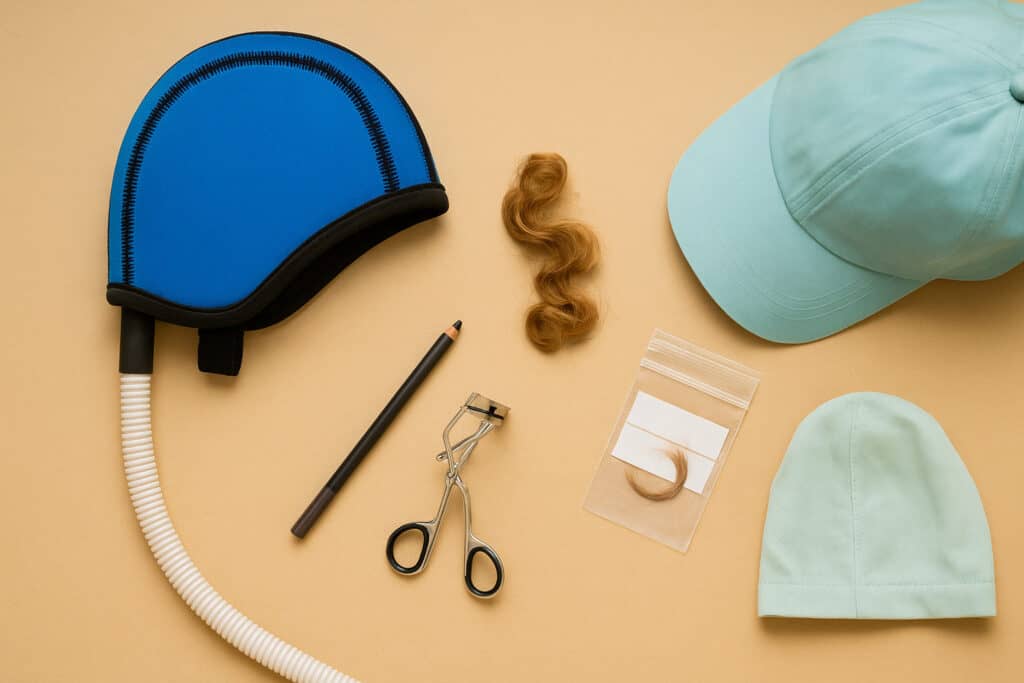
Beyond the main haircut, the medical side of hair loss has a few surprising footnotes.
- Cooling devices, once used only in a few centers, are now cleared medical devices in the U.S. The FDA lists them publicly, such as on the page for the DigniCap Scalp Cooling System.
- “Chemo curls” are real for some people; early regrowth can come in tighter or wavier than before and may soften over months.
- Eyebrows and lashes often return later than scalp hair, which makes pencils and gentle lash serums a common bridge.
- Some people keep a small “memory lock” before shaving (one clip saved in a tiny bag) as a milestone rather than a loss.
- Lightweight, breathable caps now use moisture-wicking fabrics that are kinder to sensitive skin on hot or sunny days.
Final word
The head is the first place strangers look, so hair changes carry more social weight than we expect. Understanding follicles, cooling, and coping turns a fearful image into a set of options you can steer. And once you see how a simple plan (trim, shave, cover, or cool) can turn chaos into routine, you may start asking a better question than why people with cancer shave their heads: which small choice today gives the most dignity tomorrow?
Interested in exploring similar posts? Visit The Science of Everyday Life hub for more!