
TL;DR: Why do people wear nose rings? Mostly for identity and expression; some wear them to honor culture or faith, others for style, rites of passage, spiritual meaning, or to mark personal milestones. In modern American life, they’re also a simple way to change your look, signal individuality, or join a community.
Nose rings: a short history
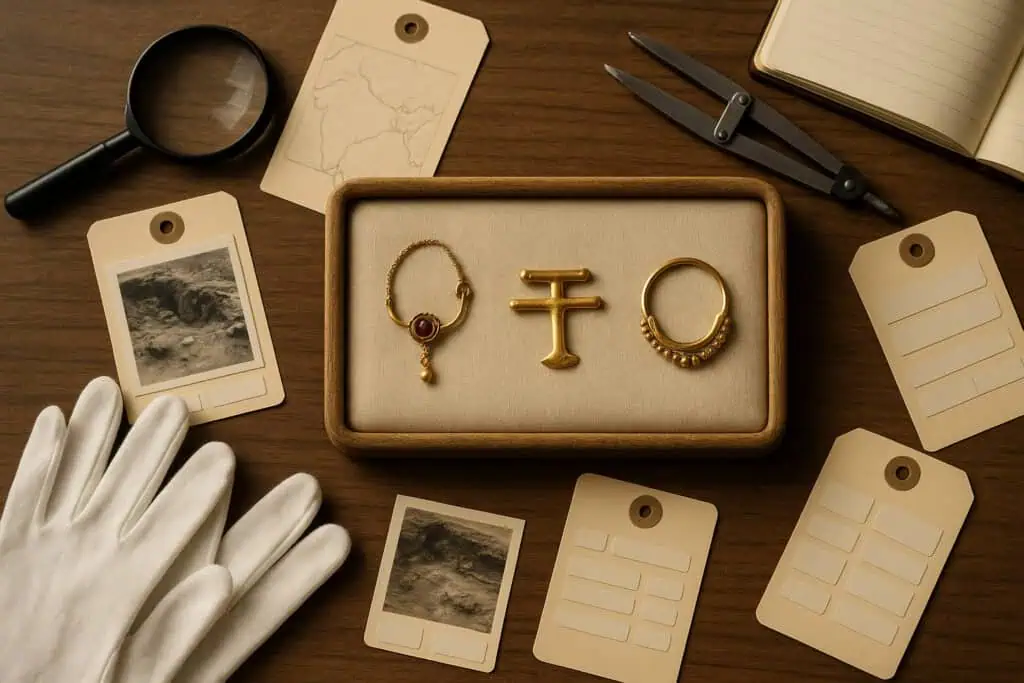
Long before today’s studs and hoops, nose ornaments showed up in many parts of the world. Museums and reference works document pieces from South Asia, the Middle East, the Americas, and beyond. In the Americas, archaeologists and curators have cataloged pre-Columbian nose ornaments, like a Tairona-period example at the National Museum of the American Indian. Central Asian communities have also worn septum jewelry linked to group identity; the Discover Islamic Art project shows a traditional septum ring known as an arawak/arabek, worn as a marker of ethnicity and status.
Because the record spans continents and centuries, styles vary widely; tiny nostril pins, large hoops with chains, and septum rings with regional names. Art historians also connect certain designs to weddings or regional dress codes in specific eras and places. This background helps frame the modern conversation without yet jumping to the main “why.”
Why do people wear nose rings today? The 5 reasons
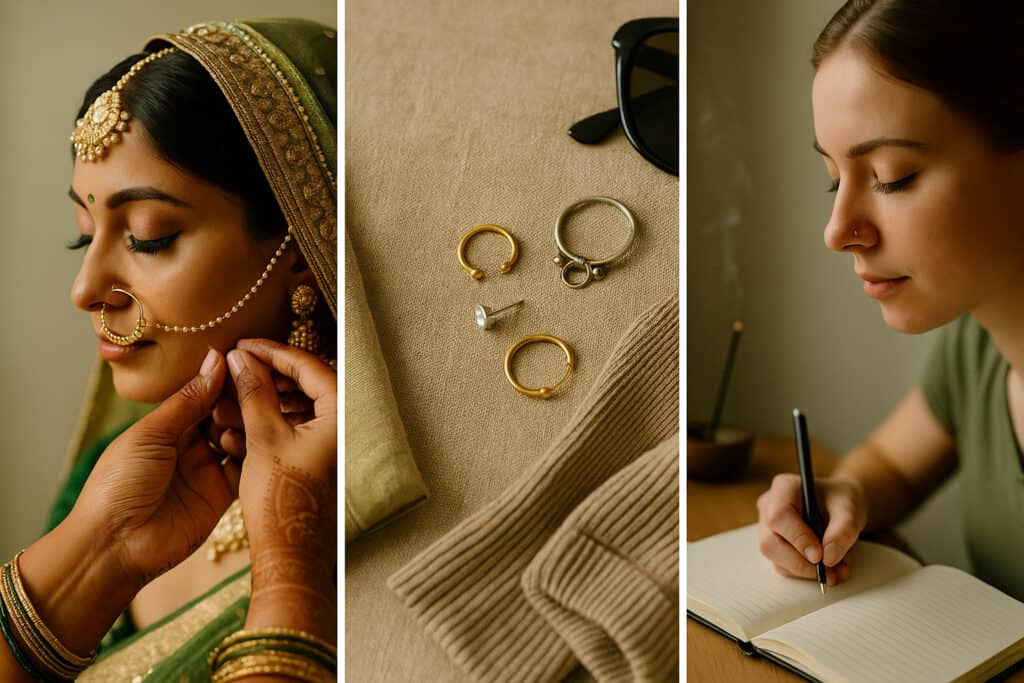
People answer this in different ways, and the reasons often overlap. Here’s the plain-English breakdown you can actually use.
Culture and belonging
Many people wear a nose ring to honor family traditions or to feel aligned with a community. In parts of South Asia, the nath (nose jewel) has long appeared in wedding dress and ceremonial wear. Museum essays note that married women traditionally wore a nath (often in the left nostril) in certain regions, which tied jewelry to life stages and social signals. For members of diasporas, a piercing can be a simple way to keep a cultural thread visible.
Style and self-expression
Plenty of people just like how it looks. A small stud adds sparkle; a hoop can balance the face; a septum ring can read subtle or bold depending on size. Because jewelry swaps quickly, the piercing becomes a flexible “frame” for changing outfits or moods. This is a low-commitment way to refresh your appearance compared to haircuts or tattoos.
Milestones and stories
A nose ring can mark a moment: a graduation, a recovery milestone, a new job, a cross-country move, or simply “I’m ready to be me.” It’s wearable symbolism; small enough for daily life, meaningful enough to feel special.
Spiritual or personal meaning
Some people connect their piercing to intention, prayer, or inner practice. Others see it as a reminder of values such as courage, independence, and endurance, or as a quiet signal to own your face in a world full of opinions. The meaning doesn’t have to be public to be real.
“Because it’s my face”
Sometimes the answer is simply autonomy. Your face, your choice. That alone is a perfectly good reason.
Nose Ring FAQs
Does a nose ring have a “universal” meaning?
No. Meanings depend on culture, family, subculture, and the wearer’s own story. In one place a ring may signal marriage; in another it’s just fashion; for someone else it’s both.
Which side should I pierce, left or right?
There’s no global rule. In some South Asian traditions, left-nostril naths were standard in certain regions and periods (museum essays document this), but modern wearers choose whichever side flatters their features or fits their routine (sleeping side, hair part, etc.)
Is a septum ring easier to “hide” at work?
Often yes. A septum retainer (a U-shaped piece) can flip up inside the nose to stay out of sight, which some people use in conservative settings. Ask an experienced piercer about sizing and materials so it doesn’t irritate your septum (professional guidance matters; learn the basics from organizations like the APP and ask your piercer about discreet options).
How long does a nostril piercing take to heal?
A nostril piercing typically needs several months to fully settle, and a septum may heal faster. Healing times vary with anatomy, jewelry, and care. For practical timelines and red-flag symptoms, see this medical guide on nose-piercing safety and healing.
What if I get a bump?
Don’t panic or pick. Keep following gentle saline care and avoid pressure from masks, glasses, or pillowcases. If you see spreading redness, fever, or pus, contact a clinician; cartilage infections are rare but need prompt treatment.
Is it cultural appropriation if I’m not from a culture where nose rings are traditional?
Context matters. A simple nostril stud is globally common and not tied to one group. However, copying a sacred style or wearing ceremonial jewelry without understanding can feel disrespectful. When in doubt, learn, credit, and choose everyday designs rather than ritual pieces.
Bonus: Quick Facts About Nose Rings
- Global, not niche. Reference works list nose ornaments across India, Polynesia, parts of Africa, Indigenous Americas, and Australia, reminding us this is a worldwide human practice, not a single-culture trend.
- Artifacts tell stories. Museum objects show how materials signal status—gold, pearls, and gems in courtly India; cast metals elsewhere. Browse an 18th–19th-century Mughal-style jeweled example in the British Museum’s collection.
- Identity markers. In Central Asia, certain septum rings historically marked ethnic identity or marital status, underlining how jewelry can communicate belonging.
- Modern flexibility. Today, you can keep a subtle, workplace-friendly stud, switch to a statement hoop for weekends, or flip a retainer up when needed. That mix of meaning and practicality is a big reason so many people choose the piercing.
Final Word: why people wear nose rings
People wear nose rings because a small piece of jewelry can carry a big message: heritage, taste, milestones, spirituality, or simple self-ownership, and, with smart aftercare, it’s an easy way to wear that message on your own terms.
Interested in exploring similar posts? Visit the Cultural Rituals & Society hub for more!