
Most people think tongue-out photos are just goofiness, an easy way to look wild or cute. However, the real reason mixes how bodies copy each other, how play signals work across species, and how cameras reward fast, readable poses. Keep an eye out for three ideas as you read: the chameleon effect, the play face, and facial feedback.
Paths, mirrors, and memes
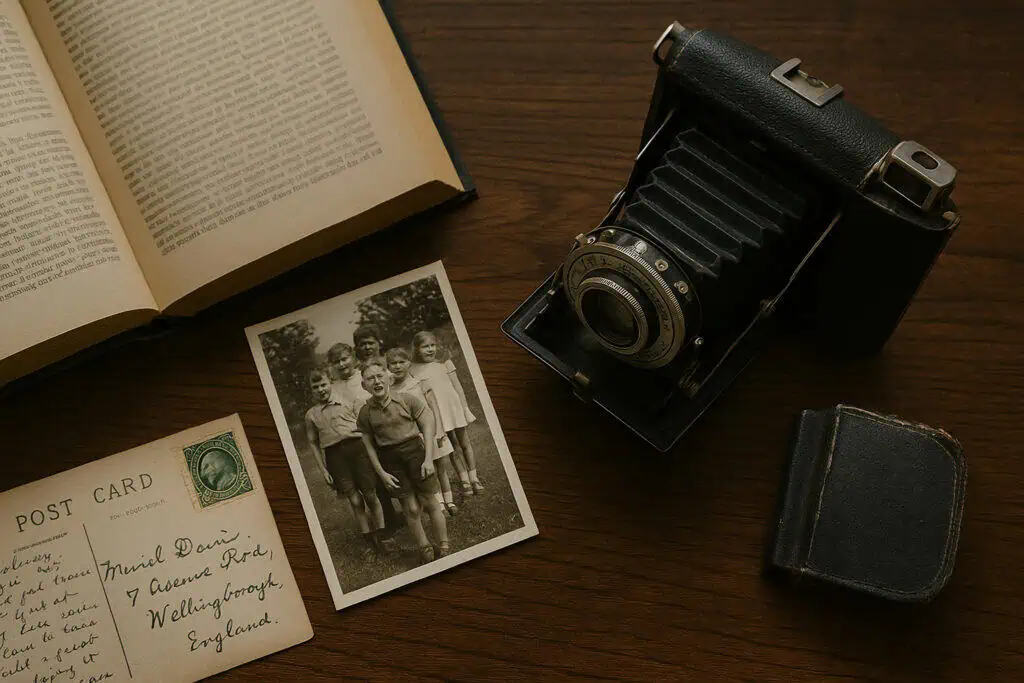
Long before selfies, people used the tongue as a tiny social signal; sometimes playful, sometimes rude, and sometimes fierce. In Māori performance, for example, the haka includes vivid facial gestures and a distinct tongue protrusion (whetero) that carries cultural meaning and power; it is not “just a face” but part of a larger story and stance. If you only know the modern sports version, it helps to see how the gestures fit the whole form, which is why guides to the haka stress its chant, stamp, and face together, not pieces in isolation.
As cameras spread, new habits formed around them. Group photos pushed people to choose a pose fast. You either smile, freeze, or pick a “bit.” Celebrities helped pick the bit. When Miley Cyrus explained her now-famous pose, she said she felt awkward and didn’t know how to stand for pictures, so the tongue became her go-to—then fans kept asking for it, and it stuck. That chain (awkwardness → pose → imitation) matters for what came next.
Social signals at play

Copying to connect
In groups, people subtly mirror one another. This isn’t planned; it’s a built-in “social glue” that helps us get along. In psychology, this is called the chameleon effect, where posture, gestures, and little expressions get copied back and forth during interaction. Because that copying builds rapport, a playful face that starts with one person often spreads, especially when a camera appears, and everyone needs a quick signal of “we’re fun” together. Only after that mirroring locks in does the obvious part show up: this is one reason why people stick their tongues out in pictures.
Play signals, not threats
Across primates, there’s a “play face”: a loose, open expression that tells others, “this is not a real fight.” Humans don’t do the ape version exactly, yet we keep the same logic: exaggerated, silly faces flip the mood to play. Tongue-out photos ride that cue. The face reads as non-serious in a split second, and that helps a whole group align before the shutter clicks. Research tracing the evolution of playful open-mouth faces in mammals shows how deep those signals run, which explains why a tiny move can change the feel of a picture.
Edge without real risk
Gestures shift meaning by culture and setting. On a rugby field, haka faces can be fierce; in a family selfie, the same shape becomes cheeky. People learn that a small, fast tongue-out reads as “I’m not taking this too seriously,” or “I’ve got a rebel edge,” without the cost of an actual insult. That low-risk, high-signal ratio is why the pose travels so well across parties, concerts, and casual photos, even though the deeper cultural roots of tongue gestures, like in kapa haka, are distinct and should be respected.
Calming the camera jitters
Focus changes faces. When people concentrate, they sometimes clamp, press, or briefly protrude the tongue. This can cut down small mouth movements and, for some, reduce distraction. In photo moments—especially with kids or camera-shy adults—that reflex can sneak in and then morph into a practiced bit. It starts as self-regulation and ends as a pose that signals “I’m fine, this is fun.” A simple explainer describes how immobilizing the tongue can free up attention, which makes this reflex feel oddly helpful in tense moments.
Awkwardness turned into a habit
A camera demands a public face on command. Many people freeze under that pressure, so they pick a script and reuse it. The tongue-out script solves two problems at once: it dodges the “fake smile” and announces play. Pop culture then recycles and amplifies it; when high-visibility performers say they leaned on the pose because they felt awkward, fans copy the fix, and the copy becomes the norm. This explains why the tongue-out pictures show up in school yearbooks, weddings, and sports team shots alike.
Mood nudge (with caution)
People often claim, “Make a silly face, and you feel sillier.” The science here is mixed. Early facial-feedback studies suggested that moving face muscles could nudge emotion, but a big multilab replication did not reproduce a famous result; later work points to context and audience as possible keys. In other words, acting playful can help a playful mood land, but not on command, not for everyone, and not very strongly. So the pose likely follows the mood more than it causes it.
Frequently Asked Questions

“Is it just immaturity?”
Social signals often look childish because play borrows from childlike cues. Yet the function is adult: it’s a fast status-lowering move that softens the frame, keeps things light, and helps groups sync. That’s why people stick their tongues out in pictures that show up at work parties and weddings, not only in middle school.
“Did social media invent it?”
Phones didn’t create the gesture; they simply rewarded faces that read instantly in tiny thumbnails. Because people mimic what gets likes and laughs, the chameleon effect accelerates online: a few viral photos shape a million small choices.
“Does the pose change your mood?”
Face-to-feeling effects exist, but they’re not automatic. Large replications failed to confirm a famous “pen-in-mouth” result, and reviews suggest context matters—audience, timing, and what you’re already feeling. So the pose may amplify play when play is already there; it doesn’t reliably manufacture it from nothing.
“Is it disrespectful everywhere?”
Gestures are culture-bound. In some settings, a tongue gesture can be a taunt; in others, it carries ceremonial weight. Copying a fierce face from one culture into a casual selfie can miss the point. Knowing that haka faces belong to a whole performance (words, rhythm, and stance) helps avoid treating sacred signals as props.
“Why do kids do it so much?”
Concentration often leaks into the face, creating a reflex that gets reinforced when kids learn by imitation. A small tongue protrusion can show up when they focus, and then it gets reinforced when friends laugh and mirror it. Over time, the reflex becomes a go-to “fun face,” especially in group pictures.
Bonus: Short fun facts
- Primate echoes you can spot. Open-mouth “play faces” in great apes help keep rough-and-tumble from turning into a fight; the human version is softer but still says “this is play,” which makes a tongue-out pose read safe and friendly in a split second.
- From awkward to anthem. A single celebrity’s coping pose can cascade into a norm. Miley’s “do the tongue thing” anecdote shows how a private fix becomes a public request, then a habit others repeat.
- Cute by design. The internet’s love of the tiny tongue tip even has slang—“blep”—for pets whose tongues peek out. That “aww” reflex is part of the same quick-read game that makes human tongue-out pictures spread.
- Copy first, think later. Nonconscious mimicry operates before reflection. It smooths interaction, builds affiliation, and makes small gestures travel fast in groups and feeds.
Final word
Step back, and the pose stops looking random. It’s a pocket-size play signal, a group-sync tool, and a pressure valve for camera nerves—kept alive by copying and boosted by feeds that favor loud, legible faces. The next time a friend asks for “one silly shot,” notice how quickly the choice spreads across the frame. Once you see that pattern, you won’t just ask why people stick their tongues out in pictures; you’ll start spotting all the other tiny cues that turn a snapshot into a micro-conversation.
Interested in exploring similar posts? Visit the Cultural Rituals & Society hub for more!