
Most people assume it’s a simple fashion move—people shave their eyebrows to look edgy or keep up with trends. However, the real reason stretches past style and into how faces signal, how hair grows, and how culture reuses old rituals. As you read, watch for three ideas: anagen–catagen hair cycles, mourning codes in ancient history, and social “eyebrow flashes.” We’ll stitch them together later.
Paths, fashion, and signals
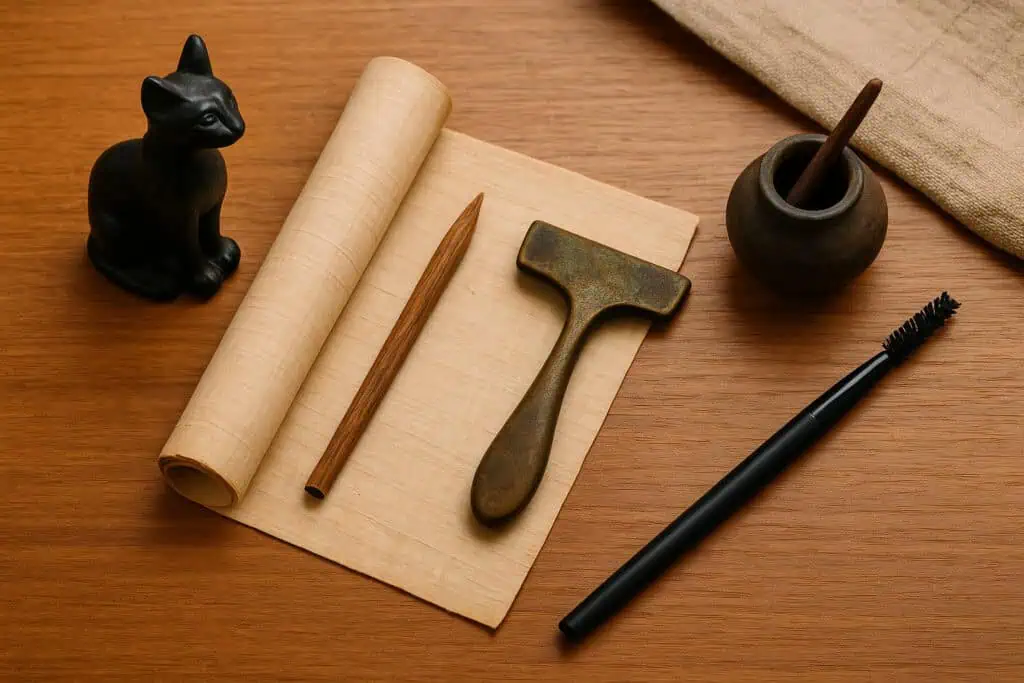
Before we talk about why people shave their eyebrows today, it helps to see where brows have already traveled. In some of the oldest writing about everyday life, a Greek historian recorded that ancient Egyptians marked grief in a striking way: when a household cat died, the family shaved their eyebrows. That small strip of hair became a public sign of private loss—visible from across the street, quiet, and unmistakable to anyone who knew the code. You can read that note in Herodotus, Histories 2.66, where the brow is literally a message on the face, not just decoration.
Centuries roll forward, and brows keep changing job titles. Silent-film stars penciled thin arches for the camera. Later decades favored heavy, graphic lines. Then, fashion began playing with absence itself: bleaching or removing brows to push the eyes forward and change the whole mood of the face. Runways put that look into the mainstream more than once; even recently, editors have explained how dropping the brow “frame” opens up more dramatic makeup looks and shifts how the eyes read from a distance.
So the history isn’t one note. Brows have signaled grief, art, and rebellion—and sometimes they’ve simply gotten out of the way so other features can lead. That mix—message, mechanics, and maintenance—sets up the real “why.”
Competing motives under the skin
The “Geometry Reset”
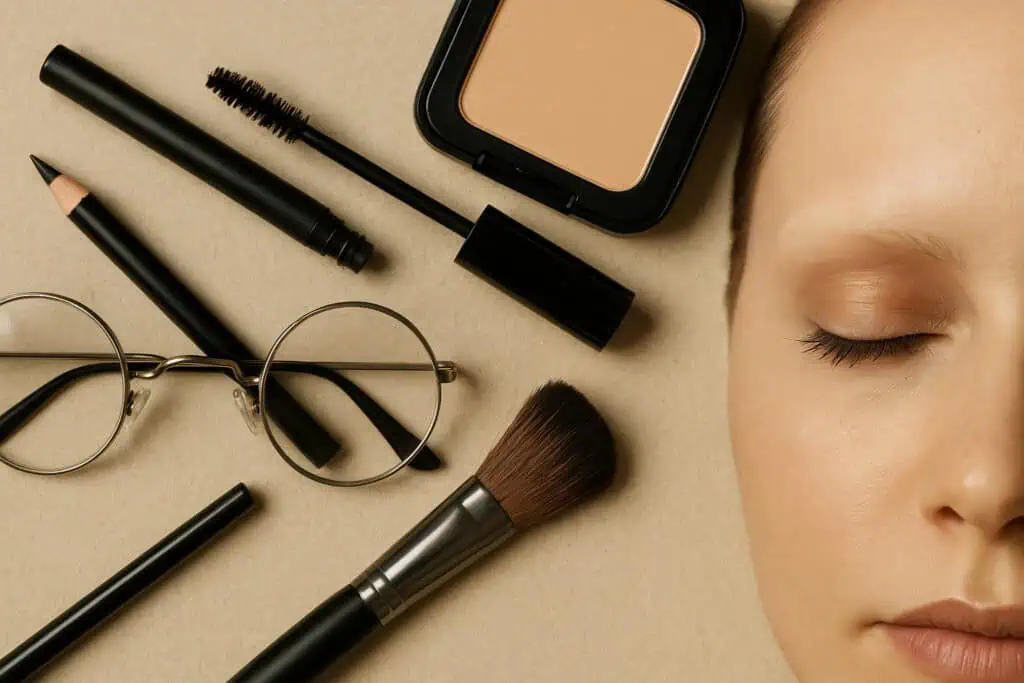
Instead of starting with “style,” begin with geometry. Eyebrows act like borders that steer where other people look. Change the border, and you change the picture. By taking brows down to stubble—or to skin—you remove the hardest lines on the upper face. Makeup artists then redraw height, thickness, or angle with pencil or dye. Only at the end does the point become clear: people shave their eyebrows to regain control of face framing, when drawing a custom shape is easier than editing the hair they already have.
Correcting the Growth Map
Think about mistakes that won’t go away: over-plucking, asymmetry, or scars through the brow. Hair lies in different directions, and each hair has its own growth schedule. Starting from scratch can make a clean “canvas,” so mapping lines becomes simpler and more symmetrical. After that reset, stubble grows in evenly, and a neater brow can be trained into place. Therefore, one practical reason people shave their eyebrows is to reset and retrain unruly brows that won’t match any other way.
Canvas for Transformation
Brows are strong identity markers. Thick, straight, arched, or barely there—they read as masculine, feminine, and everything in between. Removing brows softens gendered cues and lets someone present more androgynous or stylized. In clubs, cosplay, drag, and theater, a blank brow area makes it possible to glue down, repaint, or place prosthetics without hair fighting the illusion. Consequently, people shave their eyebrows to explore identity with a wider range of looks than natural hair allows.
Managing the Anagen Window
Hair obeys biology, not trends. Eyebrow hairs have a short anagen (growth) phase followed by rest phases; this cycle explains why brows stay short while scalp hair grows long. Dermatology references note that brows spend only a short time actively growing compared with scalp hair, so changes above the eyes appear and stabilize relatively fast.
On top of normal cycling, some folks face madarosis (medical brow/eyelash loss) from conditions like alopecia areata, thyroid problems, or medication effects. In those cases, shaving can even out patchy areas so penciling looks consistent, or it can reduce tugging on fragile hairs during treatment. Clinicians use “madarosis” as the umbrella term here.
Put together, biology gives practical reasons—predictable regrowth timing and cleaner base layers—that lead some people to shave their eyebrows while they manage health or hair-cycle issues.
The Silent “Badge”
In certain circles, absence is a badge. Removing brows can mark belonging to a music scene, an art school cohort, or an online community where the “no-brow” face signals taste, not just trend. Because brows carry so much communicative weight, taking them away reads as deliberate even from across a room. In short, people shave their eyebrows to speak a quiet dialect that their friends already understand.
The Minimalist Workflow
Paradoxically, less hair can mean less work. Some prefer a shaved base with quick makeup on top rather than trimming, waxing, or threading every week. And if the day is bare-faced, short stubble is less obviously uneven than half-grown hairs of different lengths. The practical payoff lands last: people shave their eyebrows because, for them, it’s the simplest routine to live with.
Frequently Asked Questions
“Will they grow back the same?”
Hair growth is ruled by follicle cycles, not by your razor. Brow hairs enter a short growth phase and then rest, which is why they cap their own length. Because the follicle remains intact when you shave, regrowth follows its usual schedule and texture. Most people notice visible return within a few weeks, and fuller return across several cycles.
“Does shaving make them thicker or darker?”
The coarser look actually comes from the blunt geometry of the cut hair tip, not from a change in the root. Because the living follicle sits safely below the skin, major clinics confirm that a razor cannot alter the actual speed, color, or thickness of the hair. It effectively creates an optical illusion of growth without changing the biology
“How long does regrowth take?”
Because brow anagen is short, early stubble can show within 1–2 weeks, while a natural-looking fill can take a month or two. That range shifts with age, hormones, and health, but the cycle model is the right mental picture.
“What about medical or stress-related loss?”
Patchy loss from autoimmune conditions (like alopecia areata) or from pulling (trichotillomania) needs care from a professional. Grooming changes won’t fix the cause, though they can hide unevenness. If brow loss is sudden, itchy, or asymmetrical, get it checked.
“Is shaving safer than waxing or threading?”
Safety depends on the specific mechanism of removal: shaving cuts the shaft, while waxing pulls the root. Shaving leaves the follicle untouched, which lowers the chance of ingrown hairs but may produce sharp stubble. Waxing and threading pull hairs from the root, which lasts longer but can irritate skin or trigger ingrowns. Sensitive skin often tolerates careful shaving better, provided a clean, sharp tool is used.
Bonus: Extra fun facts

- Eyebrows aren’t just pretty; they’re practical. Their shape and angle help divert sweat and rain away from the eyes, which keeps vision clear during heat or storms. That protective role is one reason a totally bare brow feels so dramatic—it removes a natural “gutter” and the visual frame we’re used to reading. (See the hair-cycle note above and modern protective descriptions for context.)
- Tiny up-and-down brow moves act like punctuation in conversation. Researchers discuss the “eyebrow flash”—a quick, small raise that greets a friend, flags a word, or asks for a reply. Once you notice it, you can’t stop seeing it in everyday talk.
- Trends come and go. When bleached or no-brow looks cycle back, detailed how-tos show up in beauty media, and the look quickly travels from runway to the sidewalk. That’s how many people first hear about shaving their brows—through culture’s echo chamber, not a dermatologist’s office.
Final word
Once you see eyebrows as borders, dials, and signals—not just hair—the choice looks different. Whether the goal is a fresh canvas, an identity shift, a medical workaround, or a maintenance hack, the move changes how a face talks to the world. So next time you wonder why people shave their eyebrows, ask a sharper question: What story is this face trying to tell?
Interested in exploring similar posts? Visit the Cultural Rituals & Society hub for more!