
TL;DR: Why do people get their tonsils removed? Mainly to fix big, repeat throat infections or to stop blocked-airway problems like snoring and sleep apnea, especially in kids. Doctors usually try simple treatments first; surgery is for when problems keep coming back or start hurting sleep, breathing, or life quality.
A brief background on tonsil removal
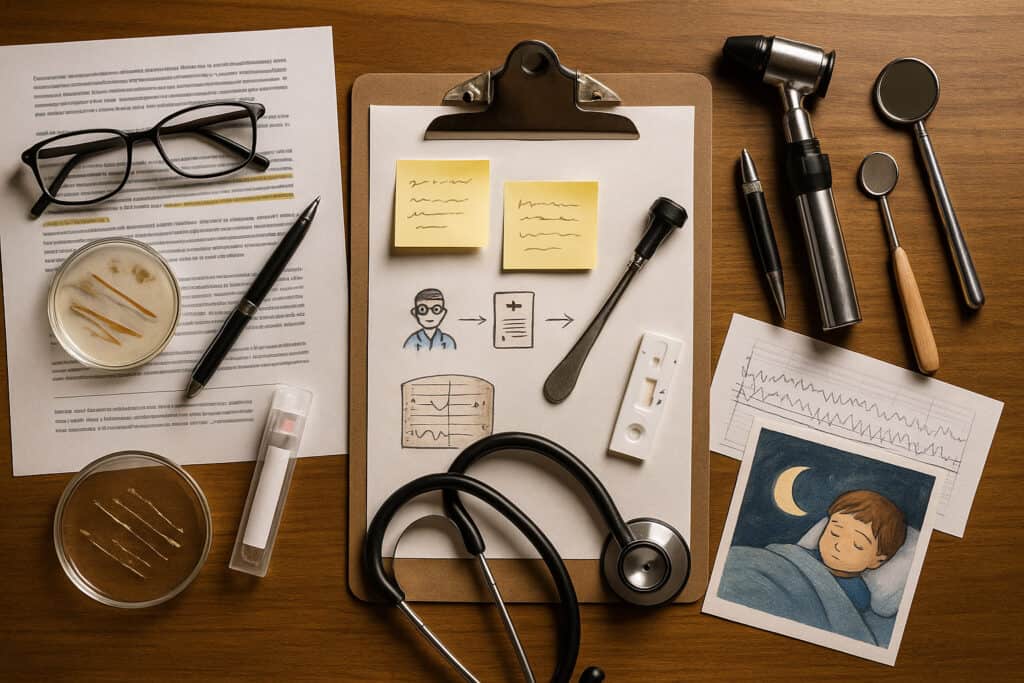
Tonsil surgery isn’t new. Decades ago, removal was very common for many sore throats. Over time, however, researchers collected data, tracked outcomes, and set better rules. As studies grew, medical groups made clearer guidelines that help doctors decide who might benefit, who should wait, and how to lower risk. Today, the choice is more careful and, importantly, based on patterns over time rather than a single bad week.
Because of this shift, modern advice talks about the number of infections, how severe they are, and whether breathing or sleep is suffering. It also weighs recovery pain and bleeding risk against the long-term relief people may feel afterward. For caregivers and adults, that means decisions are slower, but often safer and smarter. You’ll also see doctors discuss adenoids (tissue behind the nose) along with tonsils in many children, since both can affect airflow.
If you want to dive deeper into how guidance is written and updated, the leading U.S. ear, nose, and throat society has a widely used update on tonsil surgery in children, and major clinics explain the procedure, recovery, and reasons it’s done in easy language. You can read more from the American Academy of Otolaryngology–Head and Neck Surgery and a plain-English overview from the Mayo Clinic.
The 4 reasons people get their tonsils removed
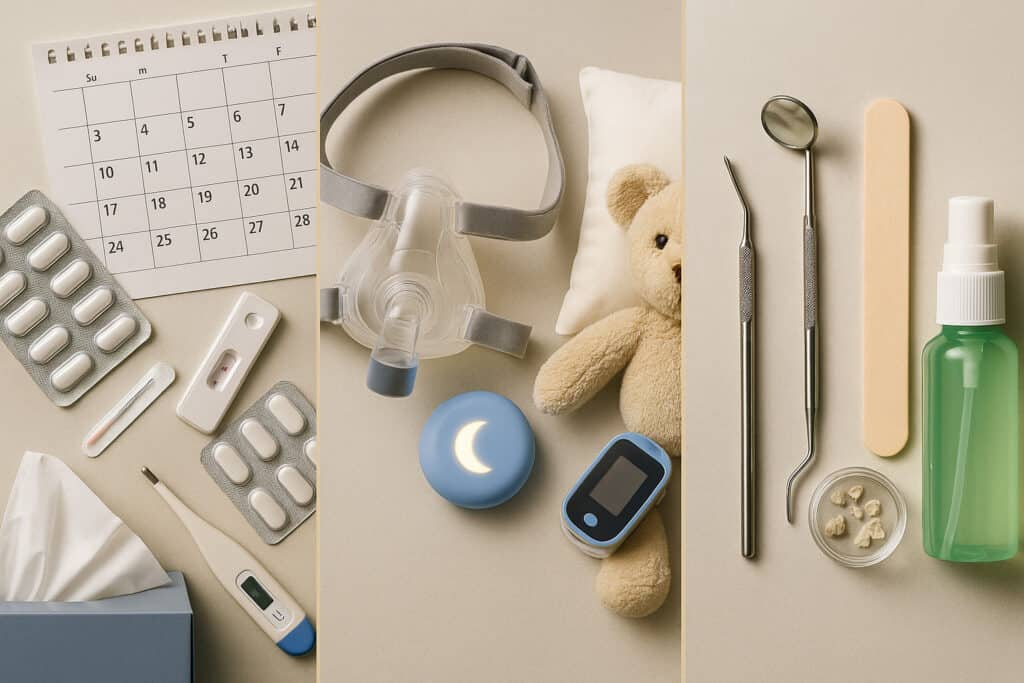
When people ask why do people get their tonsils removed, the honest answer is: because the benefits outweigh the downsides for certain, repeat problems. Here are the most common reasons:
Repeated throat infections that don’t let up
Some people get strep throat or tonsillitis again and again. If it happens many times in a year, or keeps returning over several years, doctors may say surgery will likely help. The goal is to cut the number of sick days, missed school or work, antibiotics, and midnight ER runs. Guidance focuses on clear counts (for example, multiple well-documented infections per year) plus how hard each episode hits your life.
Breathing and sleep problems (snoring and sleep apnea)
Another big reason people get their tonsils removed is blocked airflow at night. Large tonsils can narrow the airway, which can cause loud snoring or pauses in breathing (sleep apnea). In children, removing tonsils (often with adenoids) is a first-line treatment that can improve sleep, behavior, attention, and daytime energy. For context on how doctors handle ongoing sleep apnea after surgery, the American Thoracic Society explains management paths for persistent cases in kids.
Ongoing swelling or tonsil problems that get in the way
Some people don’t have constant infections, but their tonsils are always enlarged, sore, or form “stones” (hard debris in the tonsil crypts) that cause bad breath and discomfort. If this keeps causing trouble with swallowing, speech, or daily life, surgery may be considered after other options fail.
Rare issues of the tonsils
A small group need surgery for rare growths or other diseases of the tonsil tissue. In those cases, removal is part of proper testing and treatment.
Frequently asked questions about tonsil removal

How do I know if I “qualify” to get my tonsils removed?
Doctors look at how often you’re sick, how bad it gets, test results (like confirmed strep), and how much it hurts your life (missed days, ER visits, poor sleep). For kids, professional groups share numbers that help guide referrals.
Is tonsillectomy only for children?
No. While kids are the most common patients, adults also get their tonsils removed for severe, repeat infections or airway problems. The expected benefit for adult sore throat is more modest in the research, so doctors weigh the choice carefully.
Will removing tonsils fix my child’s sleep apnea?
Often, yes, especially when big tonsils are the main cause. Adenotonsillectomy is a first step for many children with sleep-disordered breathing. That said, some children still have sleep apnea afterward and need follow-up care. For how clinicians handle “what’s next” if apnea remains, the American Thoracic Society outlines pathways
What are the real risks after surgery?
The most important risk to watch for is bleeding. A small streak in saliva can be normal, but any active or repeated bleeding should be treated as urgent. Pain, dehydration, bad breath, and white “scabs” in the throat are common in the first one to two weeks.
Do tonsils grow back after removal?
It’s rare, but small bits can regrow if a tiny piece of tonsil tissue remains. If that small tissue doesn’t cause problems, no action is needed. If it does, your ENT will guide you.
Why not just keep using antibiotics forever?
Because repeat antibiotics carry their own downsides: side effects, resistance, and only short-term relief. When infections are frequent and well-documented, people get their tonsils removed to reduce the cycle. The choice is about long-term quality of life, not just the next infection.
Bonus: quick tonsils removal facts

- Counting matters. Decisions are based on documented infections over time, not guesses. Keep a simple note of dates, test results, fever, and missed days so your ENT can make a clear call. For parents, many clinics list example thresholds; Children’s Health explains typical referral patterns in everyday language.
- Hydration is medicine after surgery. Drinking enough helps pain medicine work and lowers bleeding risk tied to dry, irritated tissue.
- Expect the “two-peaks” recovery pattern. Many people feel the worst pain on days 3–5, then again around days 7–9 when the throat scabs loosen. Knowing this pattern can spare panic and reduce late-night ER trips.
- Sleep and school gains can be real. For children with blocked airways at night, better sleep after tonsil surgery can lead to sharper attention and behavior in the day. Still, follow-up matters; if snoring or pauses continue, ask about a sleep study.
- Adults usually need a bit longer off work. Kids often bounce back in about a week; adults can take closer to two weeks before normal eating and talking feel okay. Planning ahead (time off, soft foods, and trusted help) reduces stress.
Recap: why people get their tonsils removed
People get their tonsils removed because repeated throat infections or blocked breathing make life worse, and surgery is the option most likely to break that pattern. If you or your child keeps getting sick, or sleep is clearly suffering, talk to an ENT, track the facts, and decide together. The right choice is the one that safely gives you back your days—and your nights.
Interested in exploring similar posts? Visit The Science of Everyday Life hub for more!