
TL;DR: Most people get baptized to mark a new start with God, to show their faith in public, and to join a faith community. Some believe baptism brings spiritual cleansing or is a step God asks for. Others do it for family tradition, a child’s blessing, or a personal promise to live differently.
Baptism: a short history

Long before today, people used water in sacred ways. In the Hebrew Bible era, ritual baths called mikveh were used for purity before worship and life events.
Centuries later, early Christians practiced baptism as an entry sign into their gatherings. One of the earliest church manuals, the Didache (1st–2nd century), describes how to baptize with living (running) water when possible; it also allows pouring water over the head when immersion isn’t available.
As churches spread, baptism took different shapes: full immersion in rivers, fonts inside stone churches, or small basins for infants. Over time, leaders wrote about the practice, and art showed it in stained glass and icons. For a neutral, big-picture overview of baptism across traditions, see the entry in Encyclopaedia Britannica.
Today, practices still vary. Some traditions mainly baptize infants; others wait until a person can speak for themselves. Nevertheless, the act almost always uses water, witnesses, and words of faith.
Why do people get baptized? 9 reasons
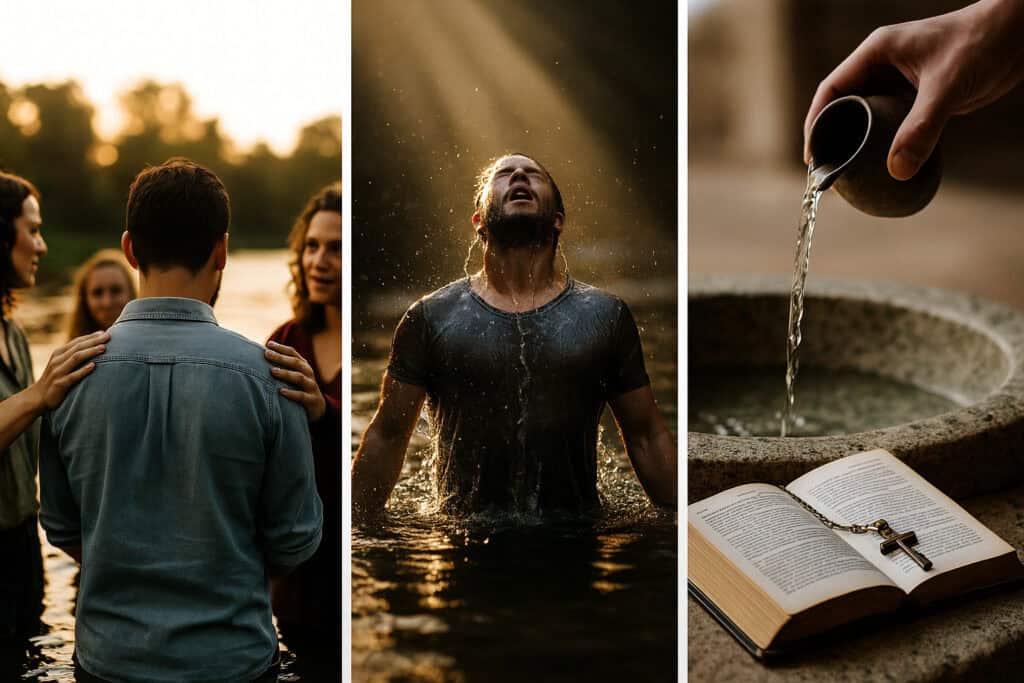
Below are common motives people share. Not everyone holds all of these, but most people recognize at least a few.
Belonging to a community
People often want to say, “These are my people.” Baptism is a doorway into a church family. It tells the group, and the world, “I’m with you.” Because belonging matters, many find courage and support through this public step.
Doing what they believe God asks
Many Christians read the Bible and conclude that baptism is something God commands as part of following Jesus. For example, some churches teach that baptism is a clear next step after deciding to trust God.
A sign of inner cleansing and forgiveness
Water washes dirt; therefore, many see baptism as a sign that God washes the heart. While the water itself is simple, the meaning is deep: people say it marks forgiveness, mercy, and a clean slate.
A public “Yes” and a fresh start
Even when someone has already decided to follow God, baptism lets them say it out loud and in front of others. Because promises stick better when spoken in public, this moment helps many people turn the page on old habits and begin again.
Joining a long tradition
Some are moved by history. They see millions over centuries who were baptized and want to stand in that line. The weight of tradition can be comforting, like adding your thread to a very old, strong rope.
Family hopes for a child
Parents sometimes bring a child to be baptized because they want God’s blessing and the church’s care over that child’s life. In Catholic teaching, for example, parents and godparents promise to raise the child in faith; you can read how the Church describes the sacrament at the United States Conference of Catholic Bishops.
Obedience tied to salvation (as some understand it)
Some groups teach that baptism is closely connected to salvation itself; others see it as a sign that follows salvation. People may be baptized because they believe it is spiritually necessary, or at least strongly urged. Since teachings differ, it’s wise to learn how your church explains it.
Healing a conscience and drawing a line in the sand
For people who carry guilt or heavy memories, baptism can feel like crossing a river: before and after. The act doesn’t erase the past, but it marks a moment when someone chooses a new master story for their life.
Because the church they choose practices it this way
People move, marry, or find a new church. If that community holds a certain view (like believer’s baptism by immersion), many will be baptized simply to live in unity with that body.
FAQs about getting baptized

Is baptism required for salvation?
Christians do not all agree. Some say baptism is essential; others say salvation comes by faith alone and baptism is the outward sign. However, most agree it is very important.
At what age should a person be baptized?
Again, this varies. Some churches baptize infants, trusting the family and church to raise the child in faith (see the Catholic overview at the USCCB). Others wait until a person can speak for themselves and choose it. Both sides point to Scripture and early practice to make their case.
Do all churches baptize the same way?
No. Some fully immerse a person in water; others pour or sprinkle. Some use rivers or oceans; others use indoor fonts. Early instructions like the Didache even allowed pouring when immersion wasn’t possible.
What actually happens during a baptism service?
Usually there’s a short talk, questions to the person (or parents), a statement of faith, and then the water is applied (by immersion, pouring, or sprinkling). Often there is music, prayer, and a welcome from the congregation.
Can someone be baptized more than once?
Most groups say one valid baptism is enough, but people sometimes ask to be baptized again if they feel their first time wasn’t truly their own choice. Practices differ, so it’s best to ask the leaders of your church.
Bonus: interesting baptism facts
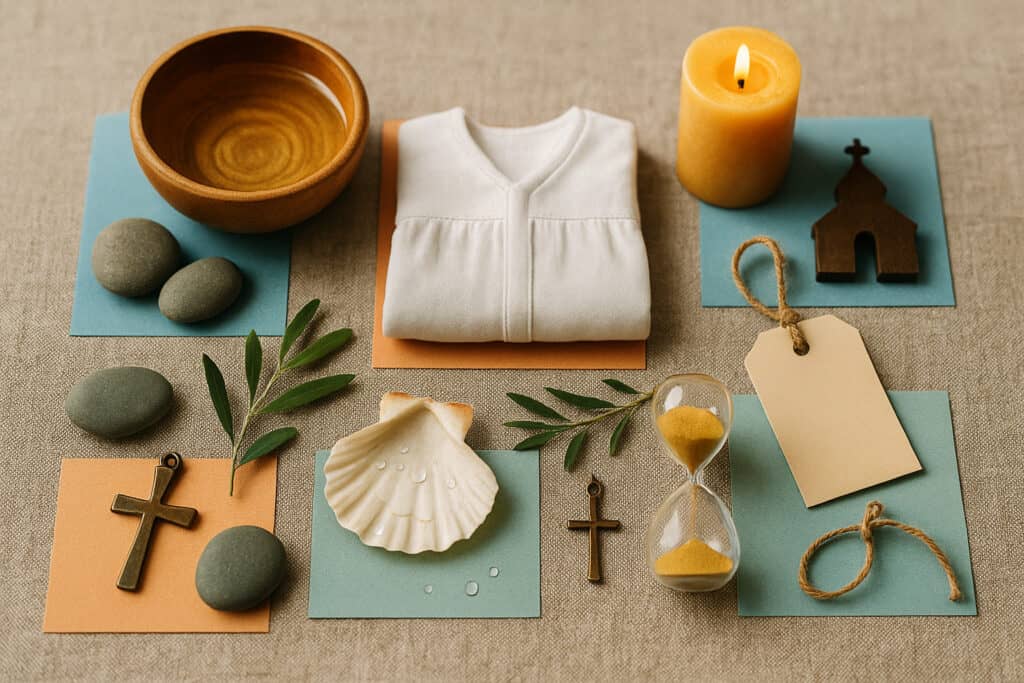
- Water rites are ancient and global. Many cultures use water for new beginnings. While Christian baptism is unique, it sits within a wider human story of washing and starting fresh.
- Words matter. The spoken promises and the community’s response can shape how a person remembers the day. Because memory and meaning stick together, many people plan their baptism stories as carefully as a wedding vow.
- Timing varies with meaning. Some choose major holidays like Easter because the theme of new life fits the moment; others pick a quiet weekday so the focus stays personal.
- Water amount is symbolic, not magical. A river, a pool, or a small bowl can all serve. The point, in most churches, is what the water points to—cleansing, death to the old life, and rise to a new one.
- Names and godparents. In some churches, baptism records become part of a person’s life documents, and godparents or sponsors promise practical support, not just nice words.
Final word: why do people get baptized
In short, people get baptized because they want to begin again with God, stand with a faith community, and obey what they believe God asks, using simple water to mark a very big change.
Interested in exploring similar posts? Visit the Cultural Rituals & Society hub for more!