
Most people think eating boogers is just a gross childhood phase or bad manners that should “age out.” However, the real picture sits inside habit learning and sensory reward, not moral failure. Put names to it; mucophagy, rhinotillexomania, and the family of body-focused repetitive behaviors (BFRBs), and everyday triggers start to make sense without exaggerating risks or selling myths.
From Stigma to Science
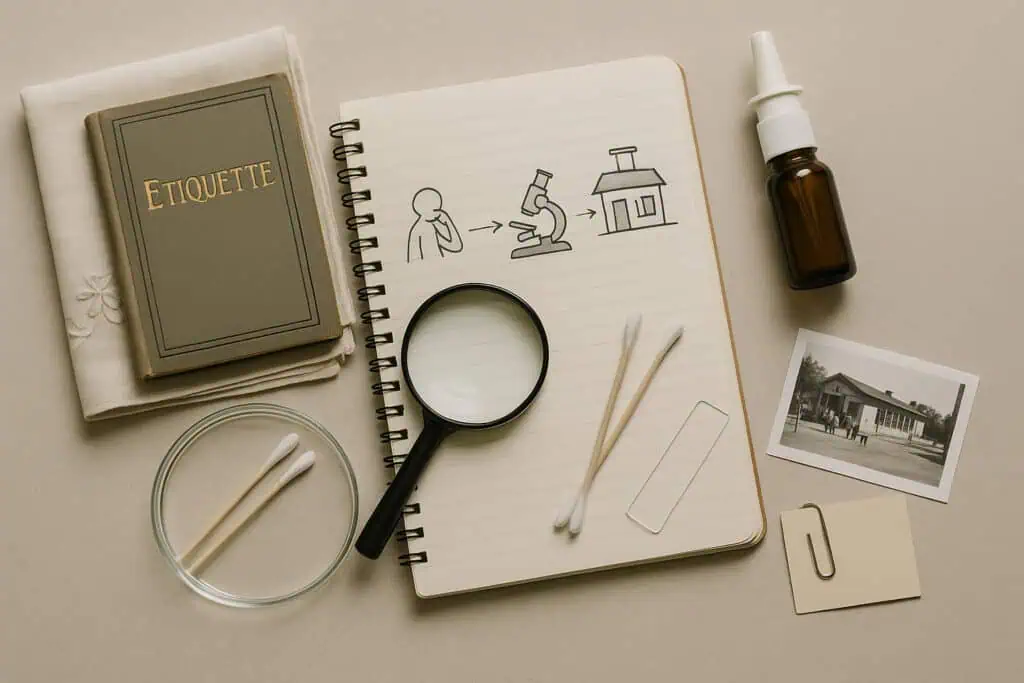
People have been picking their noses for as long as we’ve had noses. Old etiquette books warned against it, and many cultures still see it as rude. Doctors have a name for compulsive nose-picking (rhinotillexomania) and for eating the dried mucus (mucophagy). Over time, case reports and reviews have described how repeated picking can lead to nosebleeds, scabs, and even rare damage deeper in the nose. If you’re curious about the medical side, researchers have linked nose-picking with higher Staph bacteria living in the nose, which can raise the risk of infection if you keep irritating the tissue.
Moreover, mainstream health sites explain that while swallowing a bit of mucus isn’t usually dangerous, the picking is what causes most trouble; cuts, bleeding, and crusting that make you want to pick again. That cycle shows up in modern guides on habit disorders called body-focused repetitive behaviors (BFRBs), where nose-picking can sit alongside nail biting or skin picking.
Finally, you may have heard the claim that eating snot “boosts immunity.” Popular articles repeat this idea; however, clinical summaries point out there’s no strong proof that eating boogers helps your immune system, and the risks of irritation and infection are more certain.
Six Everyday Drivers
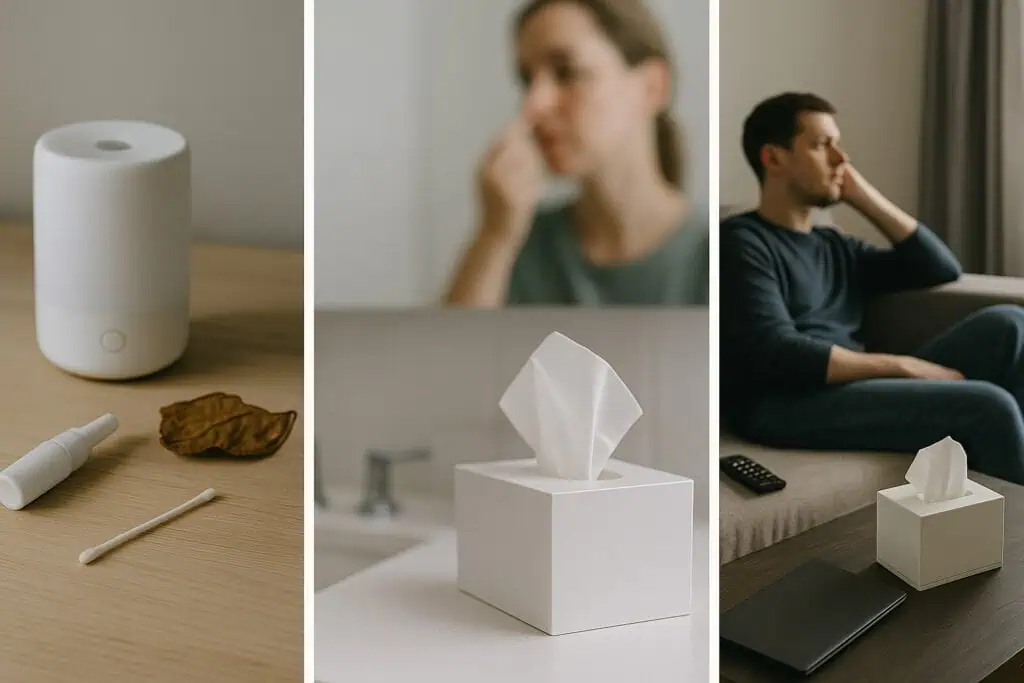
Let’s answer the question straight, in plain language. Why do people eat their boogers? There isn’t one reason, but several simple ones that stack up:
Mouth-Hand Exploration
Children touch everything and then touch their faces. A salty, slightly sweet, dry-chewy booger can seem “interesting.” Because it doesn’t taste awful, the behavior can repeat.
Cue–Relief–Repeat Loop
A dry crust in your nose itches. You pick it, feel relief, then sometimes eat it because it’s right there. Relief feels good, so your brain bookmarks the move. Next time you feel that itch or boredom, you repeat the loop.
Stress, Boredom, Autopilot
Many people pick when they’re anxious, tired, zoning out, or stuck in traffic. If you also munch the booger afterward, that can turn into a tiny “reward,” so the cycle sticks.
Sensory Payoff Matters
This sounds gross, but texture counts. Some people like the crunchy-then-soft feel. If the sensation is rewarding, the brain keeps the behavior around.
The Immunity Myth
You may hear, “It helps immunity.” But there’s no solid research proving that. Meanwhile, the picking can break skin and invite bacteria, so this “health hack” backfires in real life.
When It’s a BFRB
If you can’t stop even when you try; if you pick until you bleed or feel ashamed, you might be dealing with a BFRB. That’s a real, treatable issue where counseling and habit tools help.
Frequently Asked Questions
Is it normal? Why do people eat their boogers as kids?
Many kids try it. Little children use their mouths to explore, they copy others, and they’re curious. With gentle reminders and cleaner habits (tissues, hand-washing), most grow out of it.
Is it bad for you to eat boogers?
A tiny swallow by itself usually doesn’t hurt. Your body already sends a lot of mucus to your throat and you swallow it without thinking. The bigger issue is the picking—it can cause nosebleeds, small cuts, scabs, and sometimes infections.
Does eating boogers boost your immune system?
Research hasn’t shown any health benefit. What is known is that nose-picking can bring more germs (like Staph) into the nose and keep the skin irritated, which isn’t helpful.
Why do adults still do it?
Old habits stick. Stress, boredom, dry air, or allergies can trigger the same loop you learned as a kid. Simple tools help: keep tissues handy, use saline spray for dryness, and keep hands busy when you’re bored.
Is booger-eating a disorder like pica?
Usually it isn’t. The main problem is compulsive nose-picking, which can be part of a body-focused habit (like nail-biting). Eating the booger can tag along with that habit but isn’t a separate diagnosis by itself. If it feels out of control or your nose keeps getting hurt, talking to a doctor or therapist can help.
Can you get worms or something scary from eating boogers?
Worms are very unlikely. The real risk is bacteria from fingers and broken skin, plus ongoing irritation. If you notice swelling, yellow crust, fever, or pain, talk to a clinician first, as those can be signs of infection.
Bonus: Odd Notes from Case Reports

- There’s a real vocabulary for this. Doctors say rhinotillexis for picking, rhinotillexomania for compulsive picking, and mucophagy for eating nasal mucus. A medical review notes that heavy picking can lead to infections and, in rare cases, damage inside the nose and nearby structures.
- Staph lives in many noses already. Even healthy people can carry Staph in the nose without symptoms. But repeated picking may tip the balance toward infection.
- Case reports get wild. In extreme, long-term cases, doctors have reported septum holes and even damage to nearby bone from relentless picking. These are rare, but they show how far a small habit can go if it’s left unchecked.
- The myth of immune “training.” The idea likely stuck because our bodies do swallow mucus naturally, and the immune system does learn from germs. Nevertheless, experts say eating boogers on purpose doesn’t add a real health benefit—and the downsides are clearer.
Bonus 2: Practical Habit Tools
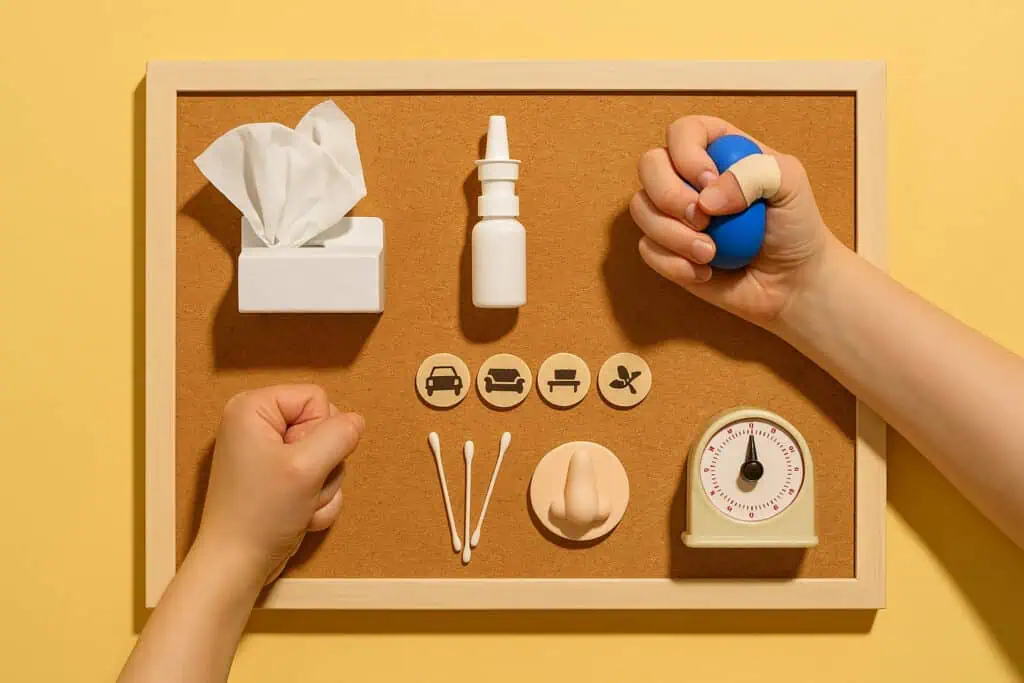
Breaking the cycle requires interrupting the physical cue before your brain registers the itch. Try simple steps first:
- Keep tissues handy and blow rather than pick.
- Use saline spray/gel to keep the nose moist so crusts don’t form.
- Cover the cue: wear a bandage on the picking finger at home, or keep hands busy with a stress ball.
- Set “no-pick zones”: the car, couch, or desk—places you usually do it.
- Use Habit Reversal Training (HRT): learn the urge, then switch to a “competing response” (like clenching fists or rolling a tissue) until the urge passes.
From Habit to Plan
Treat this less like a moral issue and more like a small, trainable habit. The goal isn’t perfection; it’s a workable plan that reduces damage and makes slips less likely. Build simple defaults you can keep (what you keep nearby, where you allow it, what you do instead), then judge progress by fewer urges, fewer episodes, and a calmer nose.
If the habit keeps escalating or starts to affect daily life, move it into the same category as nail-biting or skin-picking and get structured help. That frame turns a sticky topic into something you can actually manage.
Interested in exploring similar posts? Visit The Science of Everyday Life hub for more!