
Most people think corn starch cravings are just a weird snack habit. However, the real story lives where body signals, texture, and life changes collide. Watch for a few clues as you read: pica (especially amylophagia), iron checks like ferritin/CBC, and the kitchen trick called gelatinization—we’ll connect those dots later.
From Pantry to Pull
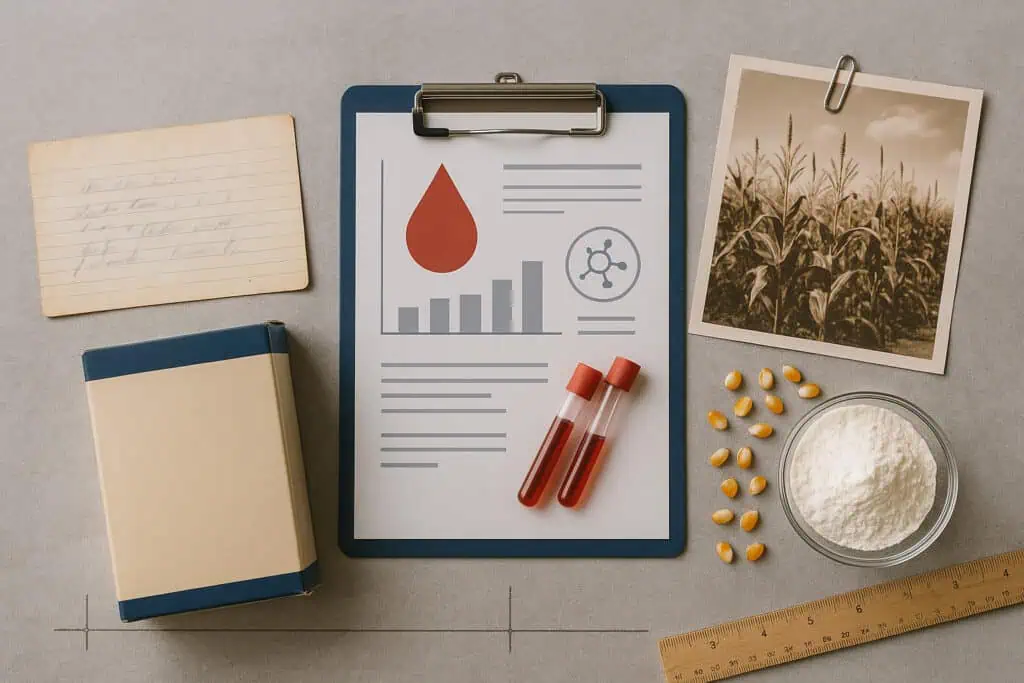
Corn starch isn’t new. It was developed as a refined starch in the 1800s and, in kitchens, it’s prized as a clean-tasting thickener because heated starch gels and forms a network that thickens liquids. Consequently, many recipes use it for gravies, custards, and pie fillings, and manufacturers dust it over powdered sugar or shredded cheese to keep clumps apart. For a plain-language explainer of how starch thickens when heated (a process called gelatinization), see this culinary overview from The Spruce Eats and a food-science primer on what corn starch does in cooking.
Outside the kitchen, people have reported starch-eating habits for more than a century under the medical label pica. As classifications evolved, clinicians began using the specific term amylophagia for compulsive starch consumption.
Three Paths to Powder
Most people who ask the question are talking about eating starch plain, not in recipes. There are three main reasons.
Body Flags First
The most common clinical reason is pica, and specifically amylophagia. Research repeatedly links pica with iron-deficiency anemia (IDA); in many patients, treating iron deficiency makes the pica resolve within weeks. Because of that, clinicians often order simple blood tests (CBC, ferritin, iron studies) when someone reports intense, persistent starch cravings. If you want a readable snapshot and evidence trail, see a 2023 scoping review showing pica improving after iron therapy and case series noting pica as an important sign of iron deficiency.
Baby-on-Board Effects
During pregnancy, cravings spike for many reasons: hormonal shifts, nausea patterns, and higher nutrient needs. Sometimes those cravings cross into pica (including starch). Because of potential risks to mom and baby, clinicians recommend discussing unusual cravings so iron and other deficiencies can be corrected early.
Texture as a Tether
Even without anemia, some people are drawn to the cool, dry, powdery mouthfeel. Over time, that texture can become a self-soothing habit. Still, if the urge is strong or frequent, it’s smart to rule out iron deficiency first; if labs are normal, a clinician or therapist can help with behavioral strategies to change the routine.
Frequently Asked Questions
Is eating corn starch a form of pica?
Clinicians use the label amylophagia when starch becomes the target of persistent, out-of-context eating. In practice, doctors lean on DSM-5 pica criteria and the person’s pattern, then check basic labs to see what the body might be asking for.
Why does iron deficiency make me crave starch?
Low iron changes how the body and brain manage energy and focus, which often shows up as odd urges. What tips the scales is that cravings usually fade fast once iron is corrected, so many teams start with ferritin, CBC, and iron studies.
I’m pregnant…should I worry if I crave corn starch?
Pregnancy shakes up taste, smell, and nutrient demands, so unusual cravings aren’t rare. Because iron needs jump, mentioning starch cravings at a prenatal visit helps your clinician rule out deficits early and keep both of you on track.
Can eating corn starch harm my teeth or health?
Any repeat, low-nutrition habit can nudge diet quality down and create knock-on issues. Dentists do see oral problems tied to some pica items; with starch the smarter move is to fix the driver first so the habit loses its grip.
Is corn starch ever “good” to eat on its own?
Corn starch shines when heat turns those tiny granules into a gel that thickens sauces. If the draw is the dry, silky feel by the spoonful, that’s a sign to check iron first and, if needed, swap in safer textures while you treat the cause.
Bonus: fun corn starch facts
- Corn starch vs. food cravings. Corn starch is a food ingredient, but eating it plain, repeatedly, falls into a different bucket. Clinicians separate everyday cravings from pica, which is persistent, not culturally typical, and sometimes risky.
- Iron testing is simple (and effective). Because cravings often fade once iron is restored, checking ferritin and a CBC can quickly change the picture.
- Kitchen science side note. People sometimes discover the “satisfying” feel of corn starch while baking. That silky texture comes from very fine starch granules; yet, its real strength is when heated in liquid, where it forms a gel network that thickens foods (clear, glossy sauces rather than cloudy ones).
- If it’s pica, address the system, not just the snack. Treating iron deficiency (dietary changes and, if needed, iron supplements) plus behavioral supports usually works best.
Final word
The useful shift isn’t about what corn starch is; it’s about what the craving is saying. Treat it like a dashboard light: run the simple checks, fix what’s underneath, and let the habit unwind instead of muscling through it. Once you see cravings as signals, the pantry stops being a mystery and becomes a map.
Interested in exploring similar posts? Visit The Science of Everyday Life hub for more!