
TL;DR: Why do you drool in your sleep? Because your mouth opens or your swallowing slows while you’re deeply relaxed, saliva pools, and gravity lets it leak out. Side sleeping, mouth breathing, a stuffy nose, reflux, certain meds, and deeper sleep stages make it more likely. Usually it’s harmless, but heavy drooling with snoring, choking, or daytime sleepiness can point to sleep apnea or another medical issue.
Drooling in sleep: what people have noticed
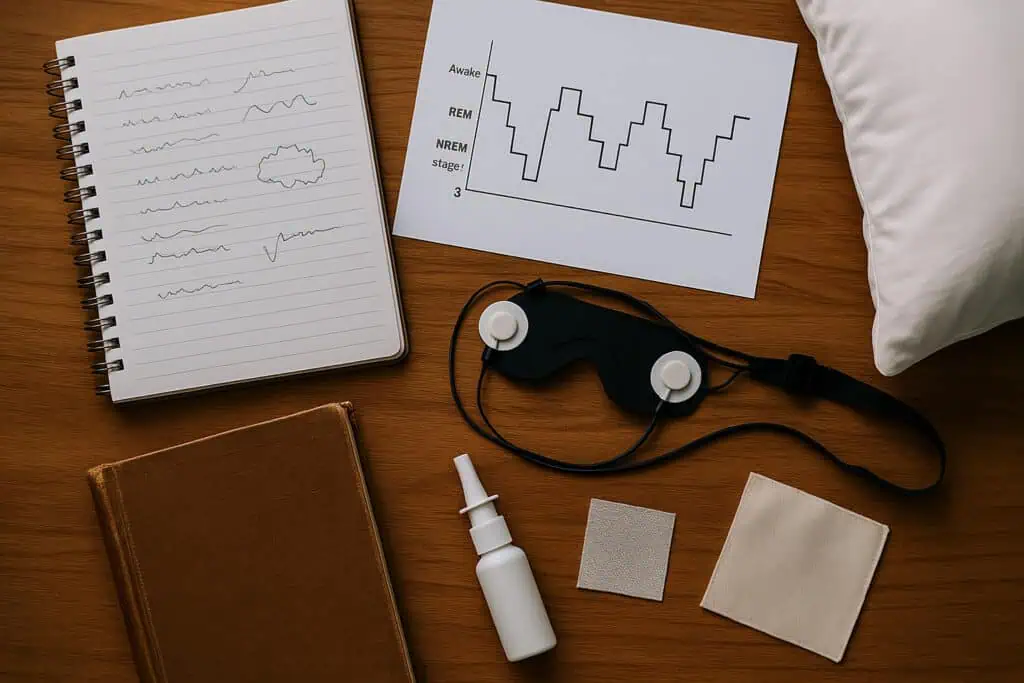
For centuries, people have written about sleep as a time when the body “lets go.” Old medical texts describe slack muscles, slower reflexes, and a quieter swallow during deep rest. As sleep science grew, researchers mapped sleep into stages and watched how muscles and breathing change across the night. They also tracked saliva itself—how much we make and how our bodies normally move it down the throat without us thinking about it.
Meanwhile, doctors began listing common things that can change saliva flow, like medications, nasal allergies, and reflux. They also connected loud snoring and breathing pauses with health risks that show up during sleep. For a sleep-focused view of nighttime drooling, the Sleep Foundation’s explainer is a solid place to start.
As sleep labs spread, specialists standardized what counts as normal, what’s just a nuisance, and what needs a closer look. For example, the American Academy of Sleep Medicine has long explained how obstructive sleep apnea (OSA) changes breathing and can affect mouth posture and dryness, both of which tie into drooling patterns.
Overall, general health sources describe drooling as a common (and often harmless) body quirk that sometimes signals a fixable problem.
Why Do People Drool in Their Sleep? The 7 Reasons
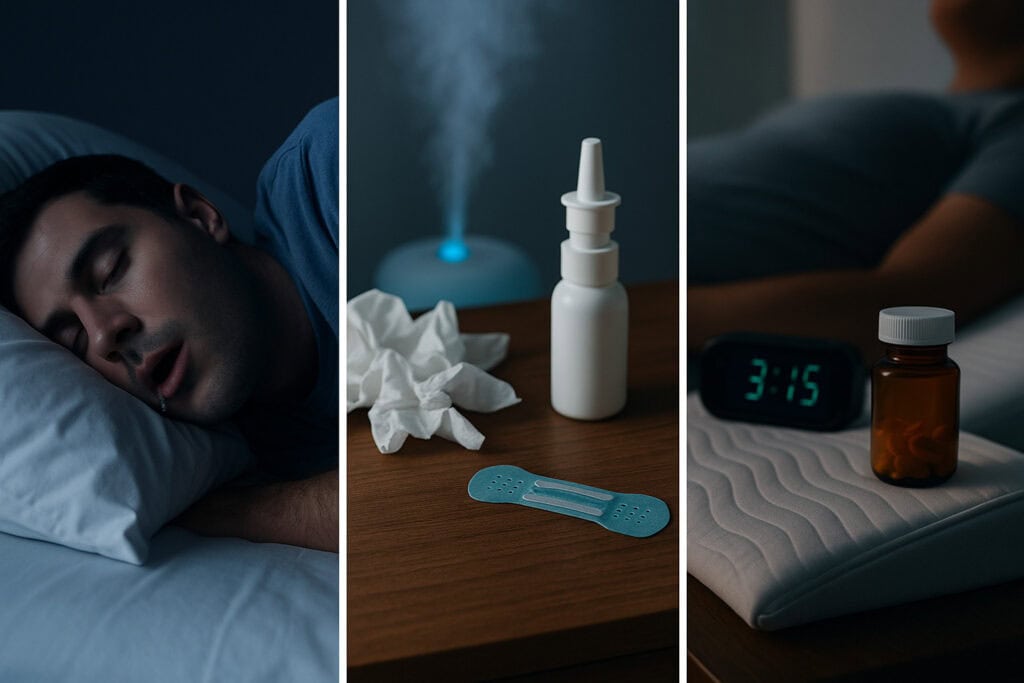
When you’re awake, you make saliva all day and swallow it without thinking. At night, a few simple things can push it out of your mouth instead.
Your swallow reflex slows down
During deeper sleep, your body relaxes. Because of that, you swallow less often, so saliva can collect. If you don’t clear it in time, it slips past your lips.
Your mouth falls open
With jaw and face muscles relaxed, the mouth often opens, especially if you sleep on your side or stomach. Then gravity does the rest. This is one of the most common reasons why people drool in their sleep.
You can’t breathe well through your nose
Allergies, a cold, a deviated septum, or even dry indoor air can push you to mouth-breathe. And when the mouth stays open, drool escapes more easily.
Post-nasal drip and reflux add fluid
Drainage from the nose and sinuses runs down the throat and can change how often you swallow. Likewise, acid reflux can irritate the throat and may increase saliva production as a natural buffer. Although it’s not the only cause, reflux is a useful thing to rule out if drooling is new, frequent, and paired with heartburn or a sour taste.
Certain medications change saliva or muscle tone.
Some meds increase saliva; others make you sleep deeper or relax muscles more. Either way, small shifts can tip you toward drooling.
Sleep stage and sleep debt matter
After a late night or a tough week, you may dive into deeper sleep. Deeper sleep means fewer automatic swallows, so drooling happens more. This is another everyday reason why people drool in their sleep after exhausting days.
Snoring and possible sleep apnea
Mouth breathing, noisy snoring, gasping, and unrefreshing sleep can point to obstructive sleep apnea (OSA). Because OSA changes airflow and jaw position, drooling can tag along. If you notice these signs, it’s wise to talk with a clinician.
FAQs: drooling while asleep
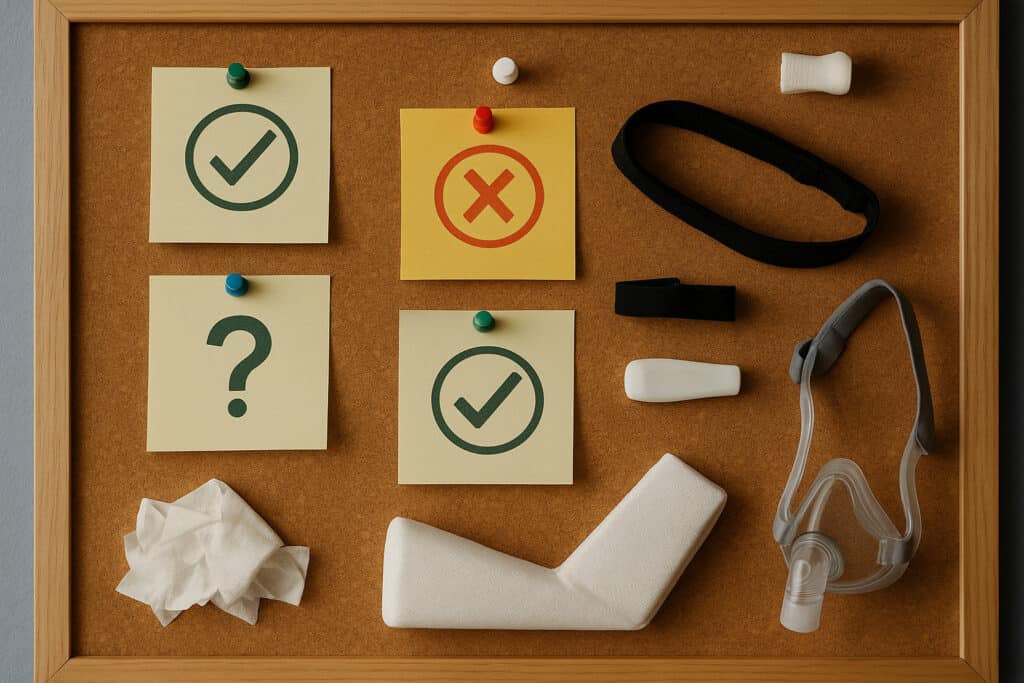
Does more drool mean something is wrong?
Usually, no. Most drooling is harmless and tied to position, a stuffy nose, or deeper sleep. However, heavy drool with choking, gasping, or severe daytime fatigue deserves a medical look because it can overlap with sleep apnea.
Why do people drool in their sleep when they nap but not at night?
Short, deep naps after you’ve been very tired can drop you into deep sleep fast, which slows swallowing. If you nap on the couch with your head tilted and your mouth open, drool is even more likely. Because position and sleep depth vary, your nighttime pattern may differ.
Why do people drool in their sleep more when they have a cold?
A blocked nose forces mouth breathing, and extra mucus changes swallowing. That mix makes leakage easy. Managing the nasal blockage helps break the cycle.
Can reflux really make me drool at night?
It can contribute. Reflux can spark more saliva as your body tries to neutralize acid. Also, throat irritation can make swallowing less smooth. Simple habit changes often help.
Why do people drool in their sleep after starting a new medication?
Some meds increase saliva; others deepen sleep or relax muscle tone, so the mouth opens more. If the timing lines up, ask your prescriber whether the drug is known for sialorrhea (excess saliva) or whether there’s a different option.
Is there a simple test to decide if I should see a doctor?
Use three quick checks:
- Is the drooling new or much worse?
- Is it paired with loud snoring, gasping, morning headaches, or dozing off during the day?
- Is it affecting your life (skin irritation, embarrassment, or stained pillows)?
If you say “yes” to any of these, talk with a clinician.
Bonus: fun facts related to sleep drooling
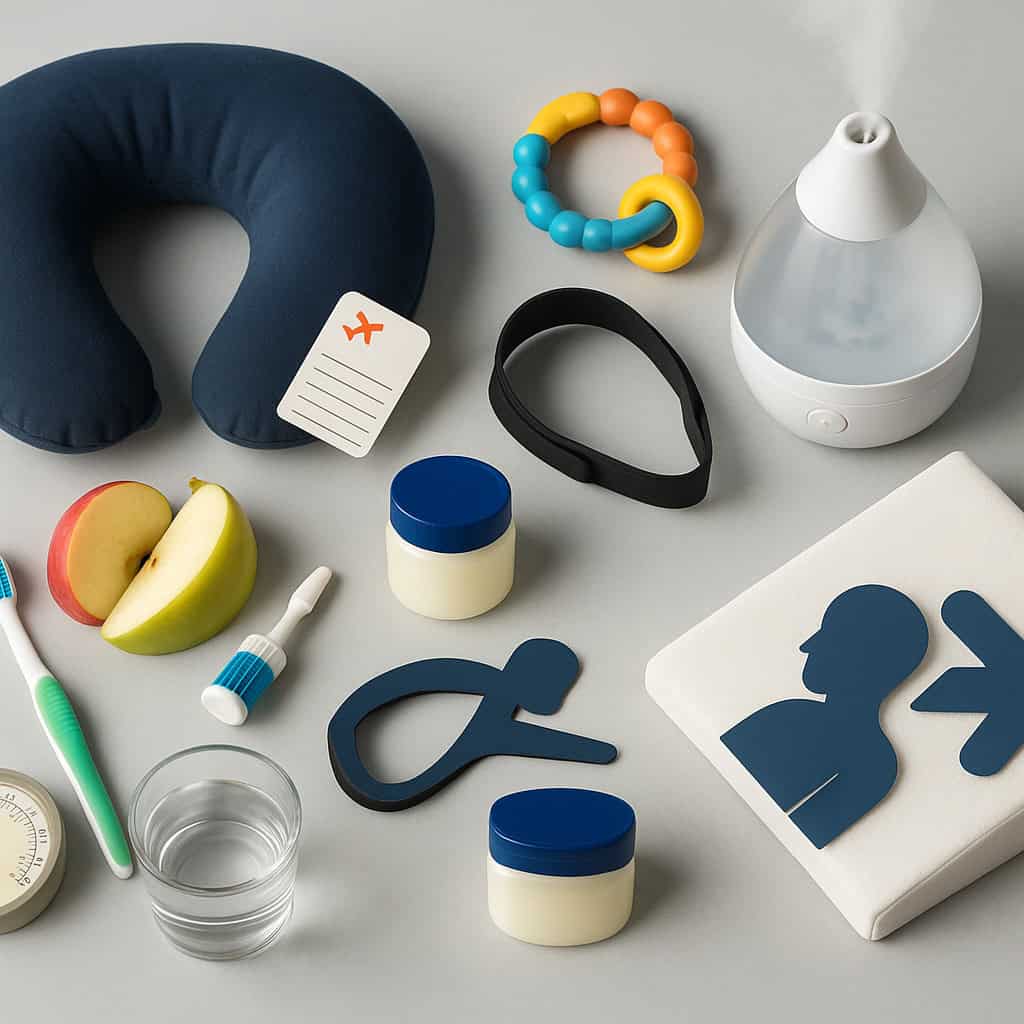
- Saliva is busy stuff. It protects teeth, helps you taste, starts digestion, and keeps tissues healthy; even small daytime changes can feel dramatic at night.
- Positions matter more than you think. Side and stomach sleepers are simply fighting gravity. Because of that, even people who rarely drool can make a puddle on a long flight when they nod off tilted to one side.
- Dry rooms can still mean drool. If your nose dries out, you may mouth-breathe. Ironically, that can lead to drool leakage even while your mouth feels dry when you wake up.
- Skin care helps. If drool irritates your chin or corners of the mouth, a thin layer of plain petrolatum at bedtime can protect the skin barrier while you address the cause.
- Gentle jaw support works for some. A soft, breathable chin strap can keep the mouth closed without forcing it; just must make sure your nose is clear first.
- Kids and teething. Children commonly drool while teething or with colds because saliva ramps up and their swallow control is still maturing. Most outgrow it without any treatment.
- Why do people drool in their sleep more on vacation? New pillows, different room humidity, extra wine, or “sleeping like a rock” after long travel can all increase drooling for a few nights.
Bonus 2: practical fixes to drooling in sleep
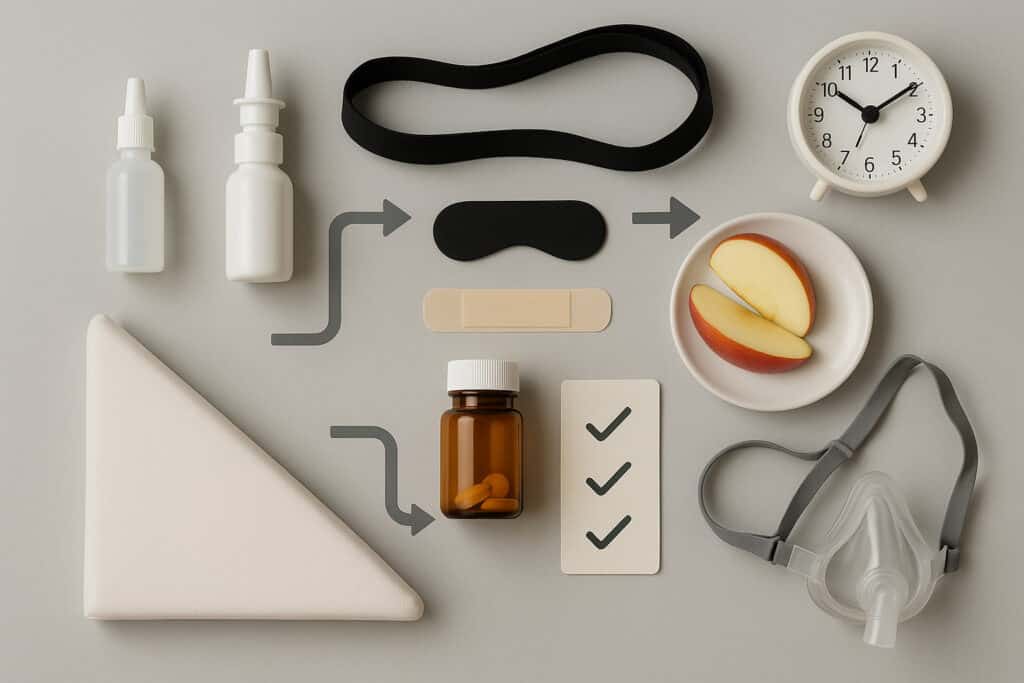
- Open the nose, close the mouth.
Treat allergies, rinse with saline, or use a doctor-approved nasal spray. The goal is simple: easier nose breathing so your mouth stays shut.
- Try a chin strap or a soft mouth tape (with caution).
Some people gently support the jaw closed. However, don’t use mouth tape if your nose is blocked; always prioritize safe breathing.
- Switch your sleep position.
Back sleeping can reduce drool for some, though it may worsen snoring in others. Test what helps you.
- Tame reflux habits.
Eat earlier, go easy on late spicy/fatty meals, and raise the head of your bed a few inches. If symptoms persist, ask your clinician.
- Review medications.
If drooling started after a new med, ask whether there’s an alternative.
- Look for apnea clues.
Loud snoring, witnessed pauses, morning headaches, or daytime sleepiness are all reasons to get checked.
Recap: why people drool in their sleep
Relaxed muscles, slower swallowing, and mouth breathing let saliva escape, especially in certain positions or when the nose is blocked. Most of the time it’s just a normal, messy part of deep rest. Even so, if drooling is heavy, new, or tied to snoring, choking, or big daytime sleepiness, get it checked. Small fixes; clearer nasal breathing, better sleep posture, and reflux tweaks, often make a big difference.
Interested in exploring similar posts? Visit The Science of Everyday Life hub for more!