
Most people assume Ramadan is simply a month when Muslims “don’t eat or drink during the day.” However, the real reason is knotted up with how a body learns restraint, how a community keeps time by the sky, and how intention—niyyah—aims everyday habits at something higher. Watch for three threads as you read: sawm (fasting), taqwa (God-consciousness), and the lunar crescent that sets the whole rhythm.
Roads, Rhythms, and Moons
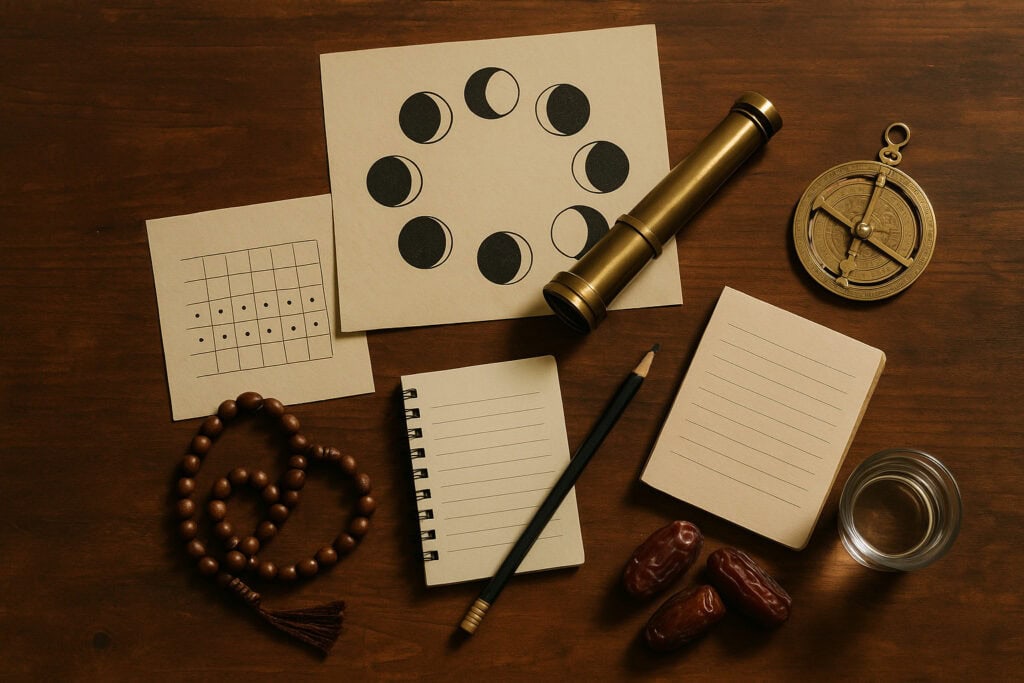
Long before anyone asked “why do people do Ramadan,” the month itself sat inside a calendar that moves with the Moon. Communities watched the first thin crescent to begin and end months, which meant holy days slid across seasons year after year. Over time, daily life braided itself around night prayers, predawn meals, and post-sunset gatherings. In many places today, city blocks still pulse after dark: lights come on, kitchens warm up, and neighbors carry trays to each other’s doors. Historians of religion and public life note how this month concentrates devotion and community into a single, shared schedule that resets each year. Polling also shows how widely the fast is kept across Muslim societies, making it one of the most consistently observed practices worldwide.
Layers Behind the Practice
Daily Restraint Mechanics
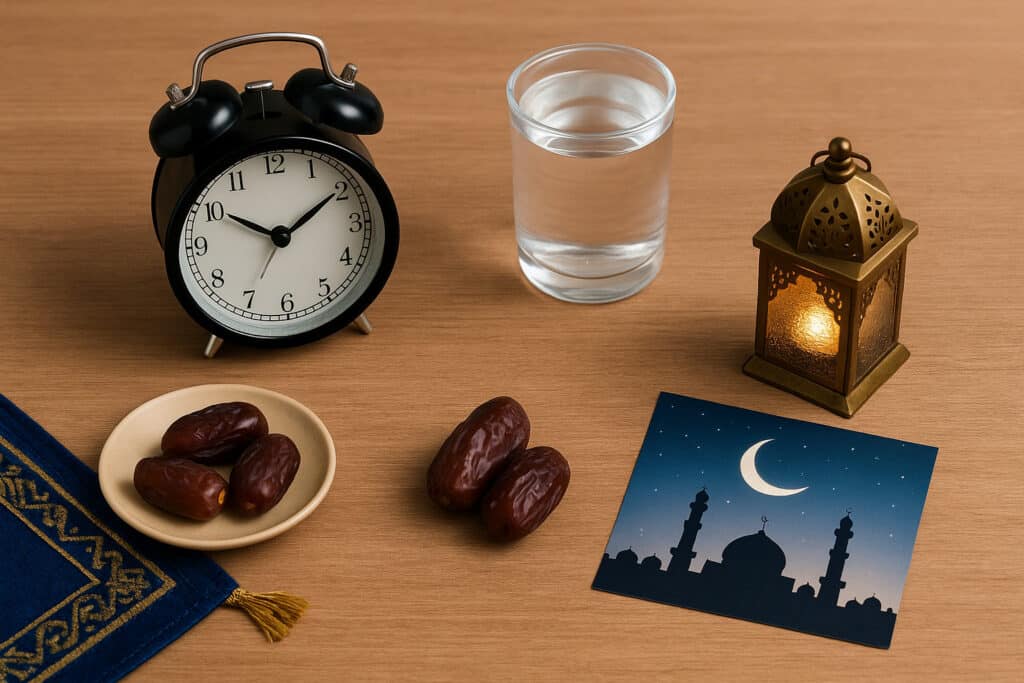
All day, the routine flips: food, water, caffeine, and daytime snacking go on pause from first light until sunset. Because the intake valve is closed for hours, attention naturally turns to timing, self-talk, and pace—how you move, work, and respond to stress. That repeated act of pausing trains the will in small, concrete steps; only near the end do we see the aim: to grow taqwa, a steady awareness of God that reshapes choices even when nobody is watching. Scripture frames this plainly after describing the fast—so that you may become mindful (Qur’an 2:183–185).
Community Pulse After Dark
As the sun drops, the signal changes. Families and friends gather, mosques fill for extra night prayers, and tables stretch to include guests. That nightly cycle builds social glue: you share time, food, and stories with the same faces, over and over, until it becomes a habit of care. The social structure is the mechanism; the meaning follows from it, because people don’t just keep a rule—they enter a shared rhythm that keeps the rule alive, including added evening prayers known as tarawih in many communities.
Story of First Light
During the last stretch of the month, attention narrows to a single night—when the first verses of the Qur’an were revealed, remembered as a turning point for guidance and mercy. The memory works like an anchor: it pulls late-night reading, extra prayer, and quiet reflection into one frame. The mechanism is remembrance through practice, and only then does the answer emerge: people keep Ramadan to honor the story that began with revelation, especially in the last ten nights.
Training the Inner Voice
Going hungry isn’t the whole program. The hard part often shows up in the small things: holding your tongue, stepping away from gossip, softening a temper, and choosing patience when you’re tired. Because the body is under new rules, the mind gets constant prompts to choose differently. That moral practice—less about appetite and more about restraint—shapes character first, and only later do you notice the answer hiding in plain sight: many people “do Ramadan” to tune the conscience toward mercy, honesty, and self-control.
Duty With Safety Valves
The month includes obligations, but it also includes exits for those who need them. Travelers, the sick, pregnant or nursing women, and others with valid reasons can make up days later or use other allowances, because protecting health is part of the law’s design. The system balances duty and care first—then the conclusion lands: people observe Ramadan as a command that is earnest yet flexible, not reckless with health.
Time Set by the Sky
The start and end of the month rely on the Moon’s cycle. Because the lunar month is about 29.5 days, the crescent can appear on different evenings, and the whole month migrates through summer and winter over the years. Communities either sight the first crescent locally or use calculations; either way, the engine is astronomy before it is scheduling. Only after seeing that engine do we hear the simple outcome: the calendar itself helps explain why practices start on slightly different days and why people “do Ramadan” in heat one decade and snow the next.
Frequently Asked Questions
Can you drink water during Ramadan?
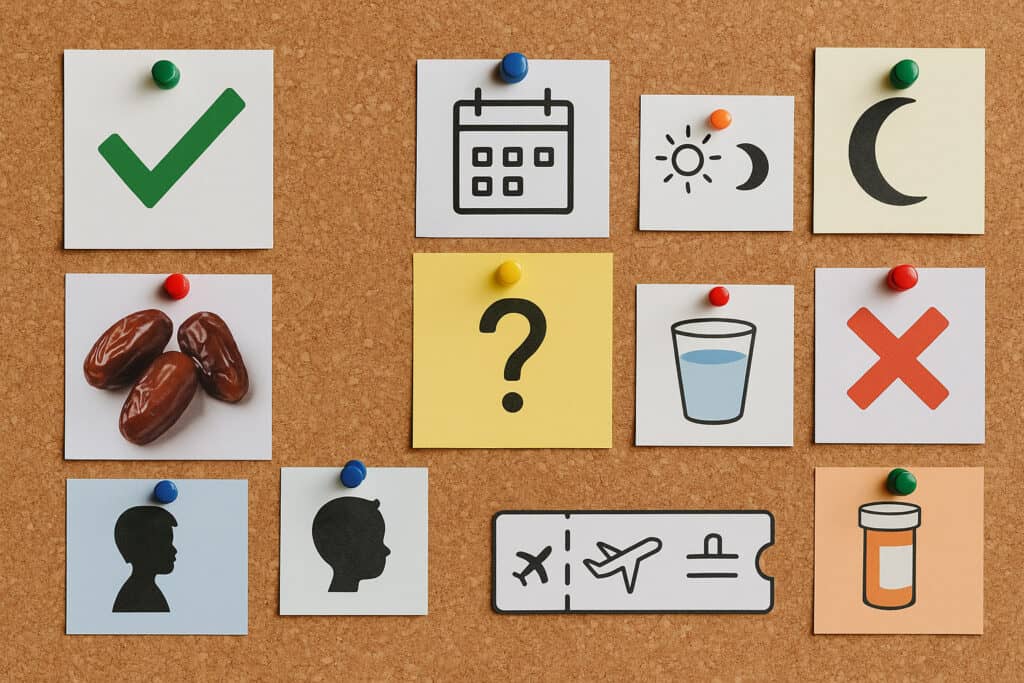
Because the fast closes both food and drink until sunset, even water waits. The motive isn’t dehydration; rather, it is a clean, simple boundary that’s the same for everyone in daylight hours. Once the sun sets, hydration returns, and good planning matters for health.
Does everyone have to fast?
Growing children, frail elders, and those whose health would be harmed are not expected to fast the same way healthy adults do. The framework starts with compassion and offers make-up days or other allowances as needed, so the month supports the person rather than the other way around.
Can you work or exercise while fasting?
Work and training don’t stop, yet people adjust: schedule heavier tasks earlier, nap if possible, and break the fast with balanced food, fluids, and protein after sunset. The rule is steady, but the routine flexes so you can keep commitments without risking health.
Why Dates at Sunset?
Dates are quick energy, easy to digest, and part of a long-standing tradition of breaking the fast simply before moving to a fuller meal. The point is not a specific fruit; it’s a gentle restart for the body and a moment to thank the One who provided it.
Why Start on Different Days?
Clouds, geography, and differing methods—local sighting versus global announcements—can shift start dates by a day. The mechanism is the crescent itself; that’s why the calendar can differ from place to place while still being faithful to the same rule.
Do Most Muslims Actually Fast?
Across regions, fasting is one of the most-kept practices. Surveys across dozens of countries report very high participation, which shows how central the month is to identity and community as well as personal devotion.
Bonus: Side notes worth knowing
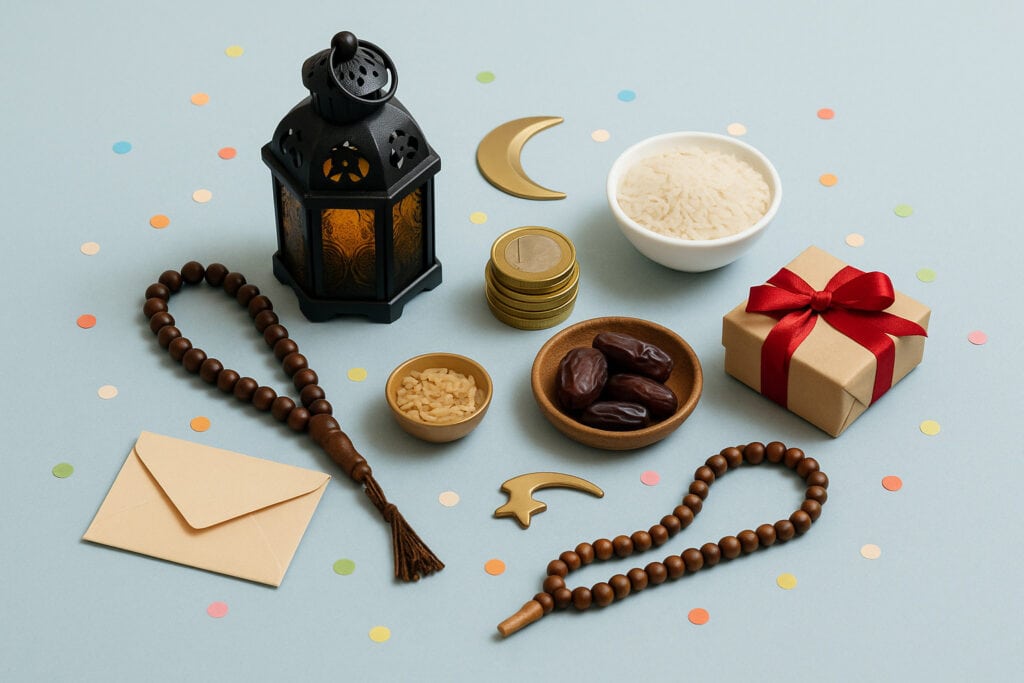
Beyond the daily fast, the month follows a specific rhythm of charity and celebration that builds toward the end.
Giving That Bookends the Month
Charity runs through the whole period, and a special gift—zakat al-fitr—comes right before the closing holiday so everyone can celebrate with dignity. The idea is to lift the poor and clear the heart after a month of discipline.
Nights That Stretch Time
In many homes, the final ten nights feel different: people nap earlier, wake to read, and stand longer in prayer. That pattern honors the memory of the first revelation and gives people quiet hours to start new habits that last beyond the month.
A Festival at Sunrise
When the crescent signals the end, the month closes with a morning festival: a congregational prayer, greetings, gifts, and open tables. The holiday doesn’t erase the training; it celebrates it—and sends people back to ordinary time with refreshed eyes.
Final Word
After walking through the moving parts—the body’s routine, the community’s nightly pulse, and the sky’s quiet clock—the question “why do people do Ramadan” starts to feel smaller than the month itself. What looks like subtraction is actually a re-tuning: time gets marked differently, meals become moments of gratitude, and ordinary choices turn into practice for the inner life. The bigger takeaway isn’t about hunger; it’s about how daily limits can widen a person’s sight long after the crescent fades.
Interested in exploring similar posts? Visit the Cultural Rituals & Society hub for more!