
TL;DR: why do basketball players hate Gatorade? most don’t. However, some players avoid or limit it because of taste, stomach comfort, sugar and calories, dental concerns, or strict personal nutrition plans. Others simply use water or custom electrolyte mixes designed by team staff. Meanwhile, the NBA has a long partnership with Gatorade, and low- or zero-sugar options (like G2 and Zero) exist for athletes who want electrolytes without many carbs. In short: it’s less “hate,” more “personal fit.”
A short history of basketball and gatorade
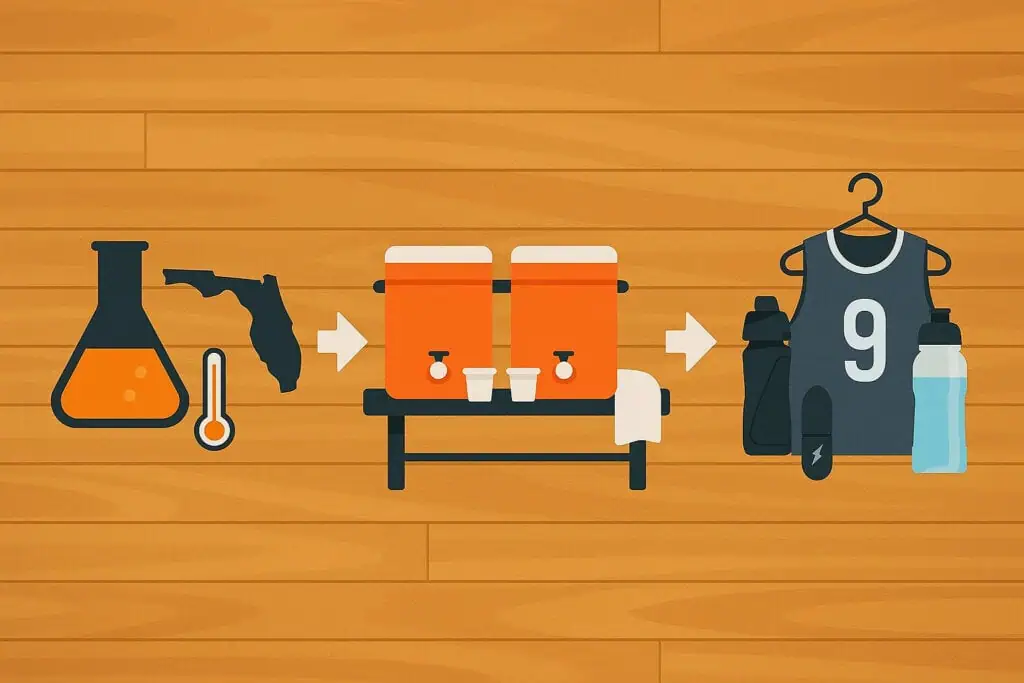
Gatorade started in 1965 at the University of Florida to help the Gators handle heat, sweat, and long practices. Decades later, the brand moved from college sidelines to the NBA, becoming one of the league’s longest-running sponsors. In 2017 the NBA Development League even took Gatorade’s name and became the “NBA G League.” Over time the product line expanded from the classic drink to lighter options and customizable GX pods and bottles. We’ll save the “why some players avoid it” for the next section.
Bench visibility and the business side
Because Gatorade is the NBA’s official sports drink and nutrition partner, its bottles and cups show up on broadcasts. Sponsorship doesn’t force a player to drink it, though; it mainly shapes what appears courtside. Many athletes still choose water or team-mixed drinks in approved containers.
The 4 Reasons why basketball players ”hate” Gatorade
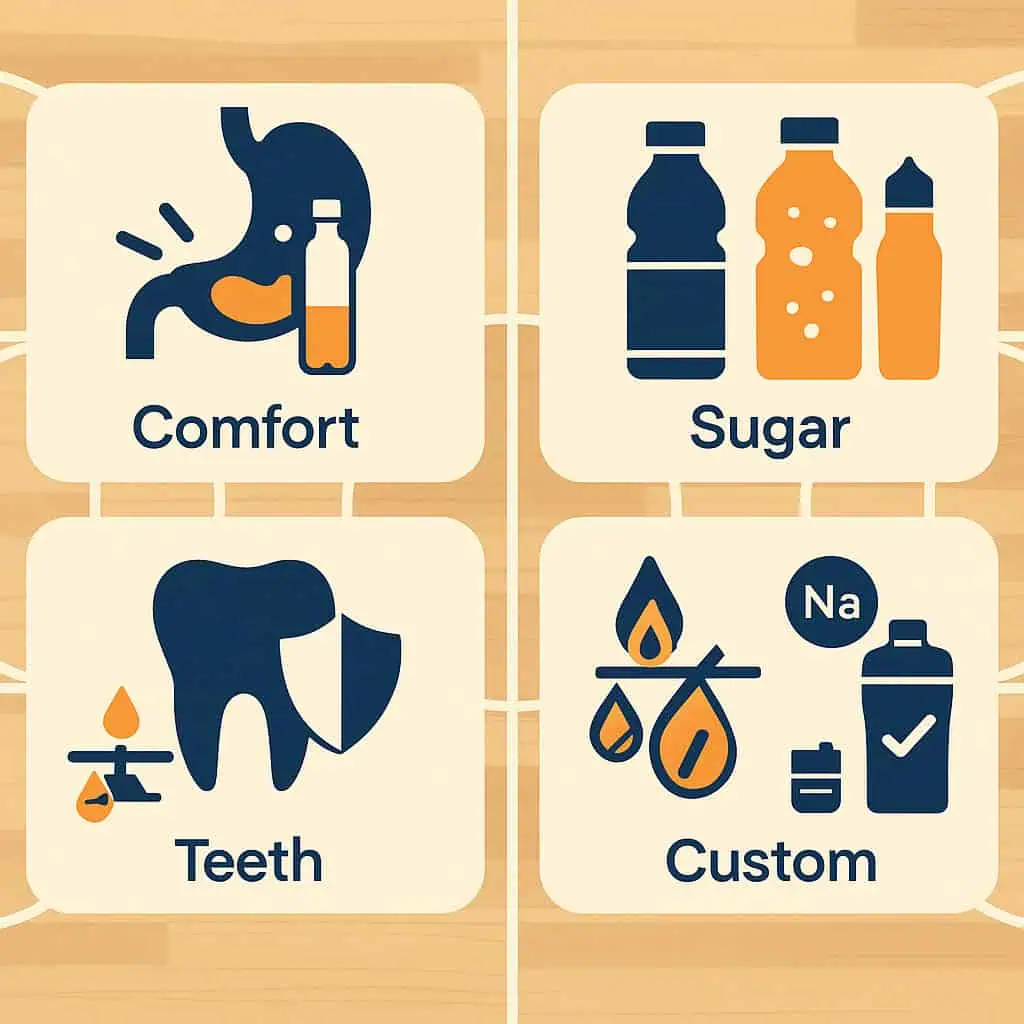
Now let’s answer the main question directly and in plain English.
Taste and gut comfort
High-speed games plus sloshing liquid can upset some stomachs. Drinks that are too concentrated (hypertonic) may slow gastric emptying and raise the chance of GI symptoms during hard play. Therefore, some athletes feel better with water or lower-carb, more “hypotonic” options. Sports-science reviews and ACSM guidance back this idea.
Sugar and calories (and the alternatives)
Classic Gatorade supplies carbs for longer efforts, which can help performance in events over ~1 hour; however, some players on tighter calorie or glucose control plans prefer fewer carbs. For them, Gatorade sells G2 (lower sugar) and Zero (no sugar) to keep electrolytes without much fuel. Because needs differ by person and game length, athletes pick the version that matches their plan—or skip it.
Teeth talk (erosion concerns)
Sports drinks are acidic, so athletes sometimes worry about teeth. The ADA flags acidic drinks in general as a risk factor for erosion; yet research on sports drinks alone is mixed, with recent reviews noting limited direct links. Rinsing with water, limiting sipping between plays, and timing intake around practice can reduce concern—so some players still choose plain water to be safe.
Personalization beats one-size-fits-all
Modern teams tailor hydration: sweat testing, individualized sodium targets, and custom mixes. Some pros use GX pods for a set electrolyte mix; others use water plus sodium tablets or gels. Because plans differ by sweat rate and role, Gatorade isn’t always the match—this is preference, not hatred.
Brand and endorsement dynamics
What you see isn’t always what’s in the bottle. Players have endorsement deals (e.g., PepsiCo or prior Coca-Cola relationships) that influence what they appear with publicly. Sponsorships shape packaging on camera, while the athlete and medical staff choose the actual drink. That’s another reason people think why basketball players hate Gatorade, when it’s often just branding and contracts.
When Gatorade helps
To keep it balanced: for longer games and heavy minutes, carb-electrolyte drinks can support fueling and hydration, according to ACSM position stands. Many basketball situations are stop-and-go, but playoff minutes can stretch; that’s where a carb drink may be useful for some athletes.
FAQs about basketball players and Gatorade
Do NBA rules make players drink Gatorade?
No. The NBA’s partnership means visibility and availability, not a mandate. Players can use water or other approved beverages chosen with team staff.
Is water enough for short stints?
Often, yes. ACSM notes little performance difference between water and carb-electrolyte drinks for efforts under ~1 hour. For longer or hotter situations, added carbs/electrolytes can help.
Is Gatorade “bad” for you?
Not by default. It’s a tool. If you don’t need the extra carbs, choose a lower-sugar option or water; if you do, classic Gatorade can fit. As always, follow your plan.
Why do some players complain about stomach issues?
Concentrated or hyperosmolar drinks may slow emptying and raise GI discomfort during intense exercise. That’s why some switch to lighter mixes.
Why does Gatorade show up everywhere on the bench?
Because Gatorade is the NBA’s official sports drink and nutrition partner and has been for decades—recently extended again—so the branding is part of the broadcast look.
Bonus facts about basketball and gatorade
From the Gators to the pros
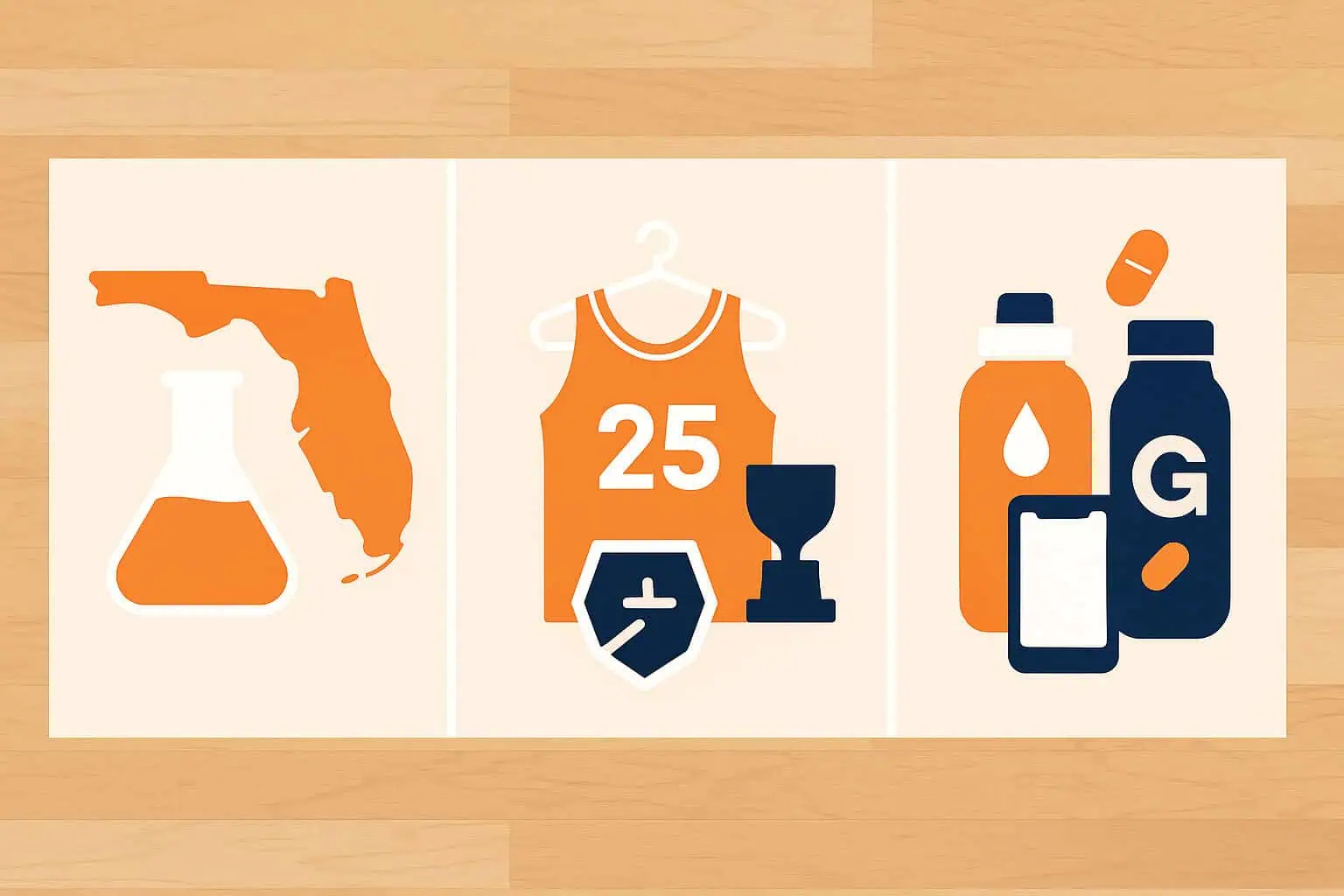
Gatorade was invented in 1965 for the Florida Gators by Dr. Robert Cade and colleagues—hence the name.
A league named after a drink
Starting in 2017, the NBA Development League became the “NBA Gatorade League,” or G League—the first U.S. pro league named for a sponsor.
Custom bottles are a thing
Gatorade’s GX platform includes athlete collab bottles (even “smart” bottle projects), showing how personalized hydration went mainstream.
Final word: why do basketball players hate Gatorade?
Bottom line, most basketball players don’t hate Gatorade ; they simply choose what fits their body, minutes, and plan. Some want fewer carbs, others avoid dyes or heavy flavors, and many follow tailored mixes from team staff. Because the NBA’s partnership keeps the brand front-and-center, it can look like a love-or-hate story—but really, it’s just smart, personal fueling.
Interested in exploring similar posts? Visit The Science of Everyday Life hub for more!