
TL;DR: Similar to root canals, white fillings are so expensive because they use pricier materials, need more steps and time to place, and often require extra equipment and skill. Costs also vary by tooth, cavity size, clinic location, and whether you’re on a private plan or the NHS. In short, the technique is slower and more exact than a simple metal filling, so the fee goes up.
A short history of tooth-coloured fillings
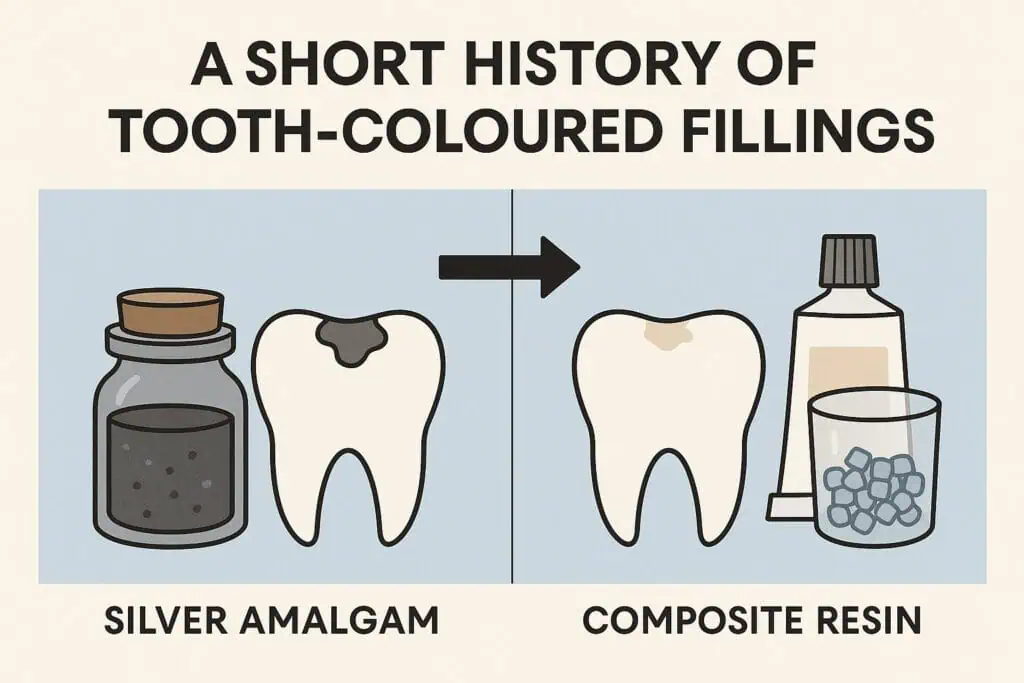
For decades, dentists used silver amalgam because it was tough, cheap, and quick to place. Over time, patients wanted repairs that matched their teeth. So, composite resin—a blend of plastic and glass-like particles—came in. Year by year, researchers improved it, and today’s composites can last well in everyday mouths, especially when placed correctly. Meanwhile, rules to reduce mercury use (like the Minamata Convention) nudged clinics toward non-metal options in some regions. This shift explains the rise of tooth-coloured fillings.
Why are white fillings so expensive? The 6 reasons

Here’s the simple, step-by-step truth behind the price tag:
- More steps, more time. A white filling sticks to your tooth through a bonding process. That means careful isolation from saliva, etching, priming, bonding, placing the material in layers, and curing each layer with a special light. Each step takes minutes, and minutes add up.
- Material + kit costs. Composite resins and bonding agents cost more than amalgam. So do curing lights, rubber dams, and finishing tools used to shape and polish the filling so it looks like a real tooth.
- Skill and training. Because placement is technique-sensitive, dentists invest in training and take longer chair time to get a good seal and a natural look. That skill shows up in the fee.
- Tooth and cavity factors. Bigger cavities, molar teeth, and fillings that cover more “surfaces” usually cost more. Private price lists often scale fees by the number of surfaces.
- Where you live and how you pay. There’s no national fee schedule, so dentists set their own prices and they vary by region and clinic overheads. If you have dental insurance, your cost depends on the plan’s deductible, coinsurance, and annual maximum—and whether your dentist is in-network.
- Market shifts. As many clinics move away from amalgam, demand for composite and related supplies rises, which can keep prices higher. Policy moves in Europe, for example, have also affected material choices.
Frequently asked questions about white fillings
How much do white fillings cost, roughly?

In the U.S., guides show composite fillings commonly in the low-hundreds, and fees rise with more tooth surfaces. In the UK, NHS Band 2 is a fixed fee for clinically needed fillings, but private white fillings on back teeth cost more.
Are white fillings worth the higher fee?
Many people think so because they blend in and can be repaired conservatively. However, value is personal: if you want a natural look on visible teeth, the extra cost often feels justified. If you want maximum longevity at the lowest price, metal may still win.
Do white fillings take longer to place?
Usually, yes. The bonding and layering steps add time, and dentists often spend extra minutes shaping and polishing to match your tooth. Time is money in a dental chair.
Bonus section: Fun related facts

- Layering is an art. Many dentists layer several shades and translucencies to mimic enamel and dentin, so the tooth doesn’t look flat in different lights—another reason appointments can run longer.
- That blue light isn’t “UV.” The curing light is typically blue-visible LED, tuned to set the resin efficiently; it’s not a tanning lamp. (Still, don’t stare at it—clinics use shields for a reason.)
- “Surfaces” change the fee. A tiny edge repair isn’t priced like a large multi-surface molar filling. U.S. fee guides reflect this, and many clinics follow similar tiers.
- Bulk-fill composites exist. Some newer products let dentists place thicker layers safely, which can save time in select cases. Even so, careful technique remains key.
- Policy shapes prices. Moves to reduce amalgam use can increase reliance on composite, affecting costs and access in some regions.
Final word: why white fillings are so expensive
Why are white fillings so expensive? Because they’re technique-heavy, time-intensive, and material-driven restorations that aim to glue to your tooth and look like it never had a hole. If you value a natural smile—especially on front teeth—the extra cost often makes sense. If you’re chasing the lowest price and longest track record, ask about metal alternatives and compare. Either way, get a written estimate first so there are no surprises.
Interested in exploring similar posts? Visit the Hidden Histories & Origins hub for more!