
TL;DR: Significance of Italian horn: it’s a small, twisted-horn charm (often called cornicello) worn for protection from the “evil eye,” and to invite good luck, strength, and even fertility. People wear it on a chain, hang it in a car, or keep it at home; tradition says it works best as a gift and, in Naples, many prefer it handmade and red.
A Brief History of the Italian Horn
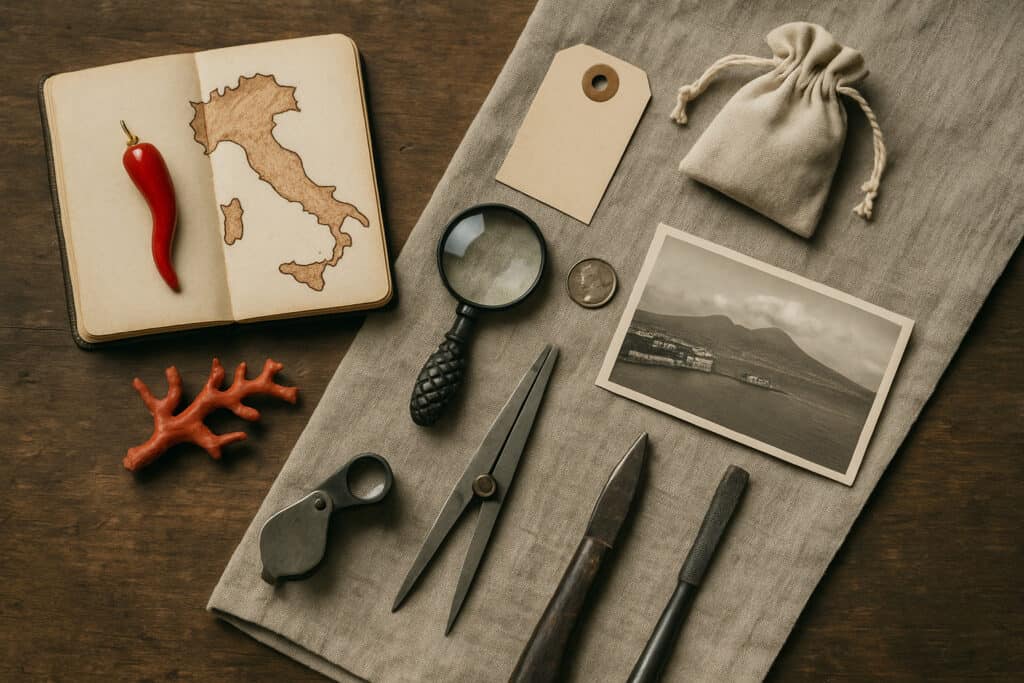
Before we talk about the meaning people give it today, it helps to know what the object is and where it shows up. The Italian horn, or cornicello, is a slim, gently curved charm shaped like a little horn or chili. It’s made from different materials (gold, silver, bone, terracotta, or red coral) and it appears most often in southern Italy, especially around Naples.
Although the horn is Italian in style, it sits inside a much older Mediterranean world where people feared a harmful stare and carried small charms for safety. Meanwhile, coral—one classic material for the charm—has a long record in Italy and Rome as something protective for infants and families; the Metropolitan Museum Journal even notes Roman children wore phallic and coral pendants against harm. Together, this shows the horn’s form and materials sit at the crossroads of Italian craft and older Mediterranean folk beliefs. Still, history here sets the stage only; we’ll save the meaning for the next section.
The Significance of the Italian Horn
The Direct Answer
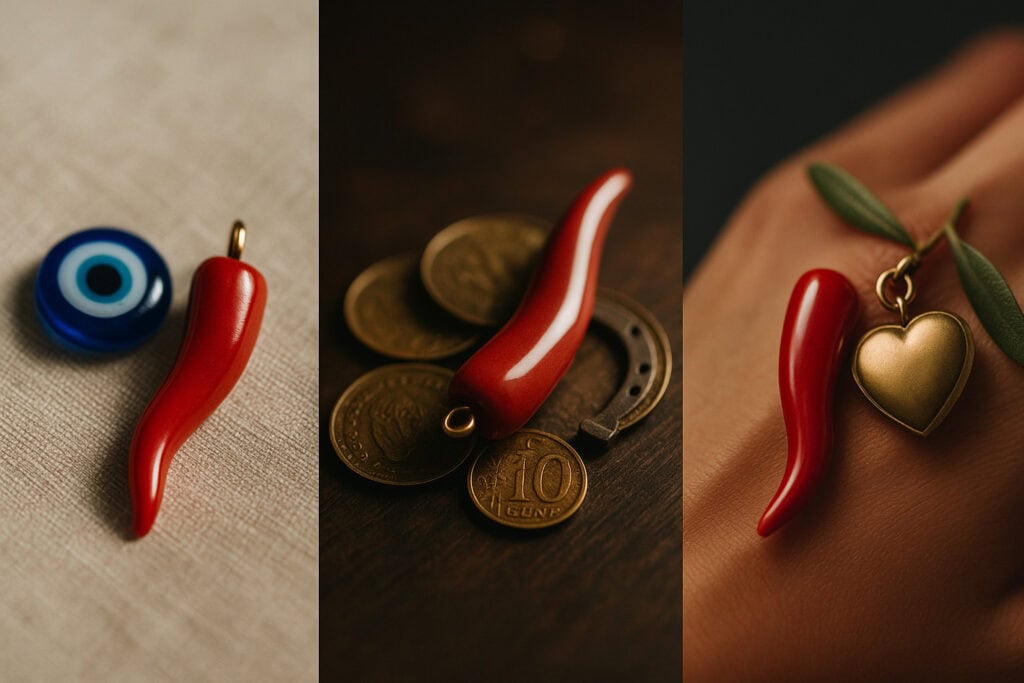
So, what is the significance of Italian horn? In plain words, it’s a good-luck protection charm. People believe the little horn helps turn away envy and bad intentions (the evil eye), while also calling in prosperity, love, vitality, and strength. In Naples, the horn is not only a personal amulet; it’s also a small badge of local pride and identity. Recent reporting from Naples shows how the cornicello is still exchanged, especially around Valentine’s Day, as a symbol of luck, love, and protection, often handmade by neighborhood artisans.
How shape and color add to the significance
The horn’s curved point suggests animal strength and vital energy. When it’s red—especially in coral—it doubles down on life, blood, and passion in popular belief. This mix explains why many see the charm as both a shield (against harm) and a magnet (for good luck). Classical links to fertility symbols and the horn of plenty (the cornucopia) also echo through modern readings of the charm’s power.
How people use it today
Most people wear the horn on a chain, keep it in a pocket, or hang it in a car or home. In Naples, tradition adds informal “rules,” such as preferring the charm as a gift and valuing handmade, porous materials (like terracotta or coral) that are said to “absorb” bad energy. You don’t have to follow any rule, of course; still, many fans enjoy these customs because they make the charm feel more personal and rooted in Naples.
Italian Horn Significance FAQs
Does the horn fight the “evil eye,” and what does that actually mean?
Yes—that’s the core idea. Across the Mediterranean, people long believed envy or a harsh stare could bring bad luck or illness, and they used charms to block it. For a present-day Italian snapshot, a recent report describes rural healers who still diagnose and “treat” malocchio with oil-and-water rituals, showing how the belief continues culturally, even as modern Italians also live fully in the present.
Must a cornicello be red, curved, and handmade to “work”?
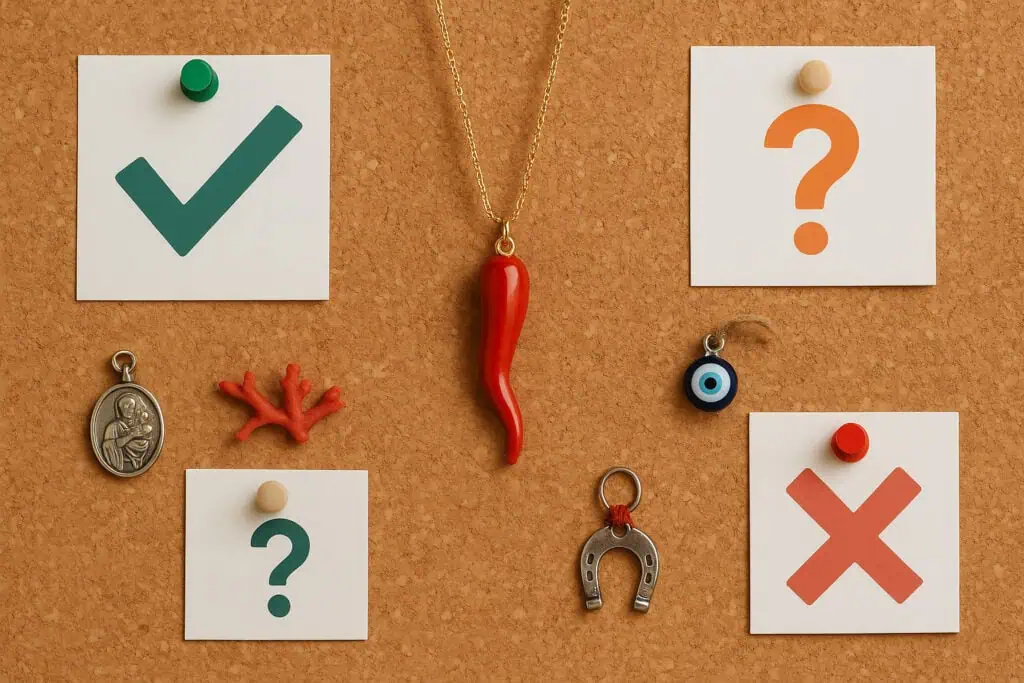
Traditionally in Naples, people prize red, curved, and handmade horns, sometimes saying porous pieces “soak up” negativity. That said, many modern wearers choose gold or silver for style or budget, and they still treat the horn as a meaningful token.
Is the horn religious, satanic, or “dark magic”?
No. The horn is folk protection, not devil worship. Its roots touch Greco-Roman symbols of life and fertility and later Italian folkways. Over time, it became a cultural good-luck charm, not a formal religious item. It can sit next to Catholic habits (like a saint’s medal) in everyday life, though the horn itself isn’t a sacrament or church teaching.
Is the horn the same as a cornucopia (horn of plenty)?
They’re different symbols that sometimes echo one another. The cornucopia is a horn overflowing with fruits and grain—abundance—while the Italian horn is a slim, pointed charm for protection and luck. However, both carry “horn = life and power” energy, which is why people occasionally connect them.
Do I have to be Italian to wear one?
Not at all. Plenty of people wear a cornicello for its meaning (good luck, confidence, and a “shield” against petty jealousy) regardless of background. And because the charm is widely available, it’s become a simple, friendly gift with a story behind it.
Does it “really” work?
There’s no scientific proof an amulet blocks bad luck. Nevertheless, symbols can shape how we feel and act. When a charm boosts your calm and confidence, you may make steadier choices, and you may face stress with a cooler head. Many fans like the horn because it keeps them mindful of what they want to invite (luck, love, strength) and what they want to block (envy, negativity), and that mindset alone can be useful.
Is the horn the same as the “horns” hand sign (mano cornuta)?
Not exactly. Mano cornuta is a hand gesture used as an apotropaic sign; the cornicello is a small horn-shaped amulet. They’re related in spirit (protection), but one is a gesture and the other is a charm.
Bonus: Fun Italian Horn Facts
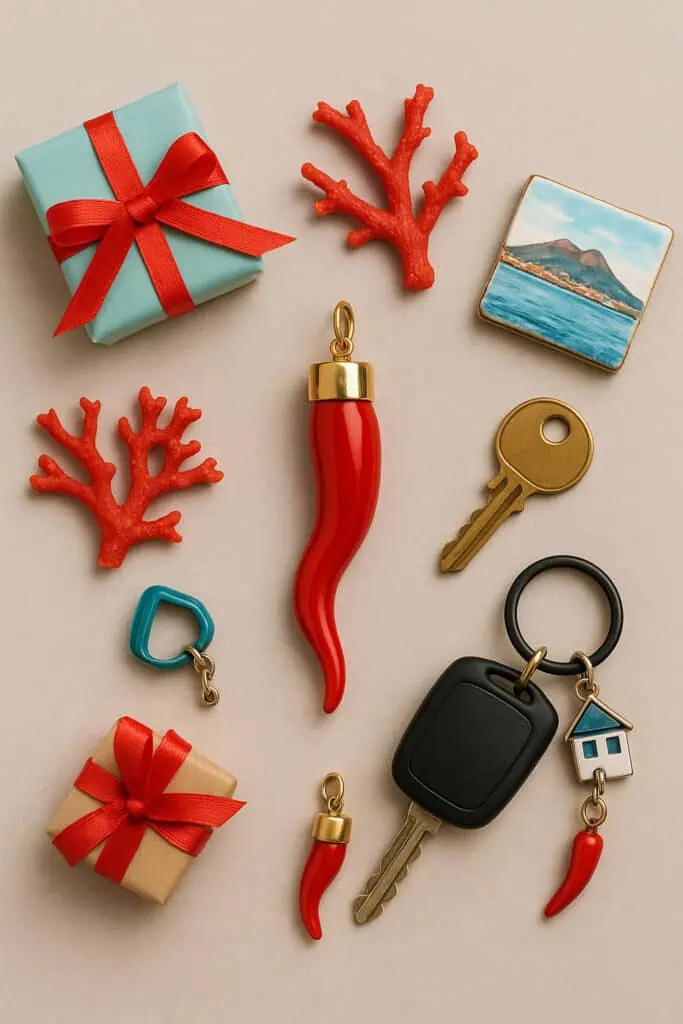
- Gift energy: In Naples, people often say the horn is “strongest” as a gift, which makes it a popular token for loved ones.
- Material matters: Red coral has long been treated as protective in Italy, especially for babies, which helps explain why coral horns keep their appeal.
- Everyday talisman: People don’t only wear it—many hang it in cars or homes as a house or travel charm; this habit is part of the horn’s living folk culture.
- Local pride: Walk Naples’ historic lanes and you’ll see horns in shop windows, studios, and galleries; coverage from the city shows how the charm blends craft, tourism, and heritage.
Final Word
In one line: the significance of the Italian horn is simple—it’s a small, lively symbol people use to guard against the evil eye and to welcome luck, love, and strength into everyday life.
Interested in exploring similar posts? Visit the Cultural Rituals & Society hub for more!