
TL;DR: The poppy flower’s significance centers on remembrance, sacrifice, and the fragile line between sleep and peace. In everyday life, red poppies honor fallen service members; in older myths, poppies point to rest, dreams, and the quiet after pain. Because they spring up on disturbed ground, they also hint at resilience—life returning where the earth was torn.
A Quick History of the Poppy Flower’s Significance
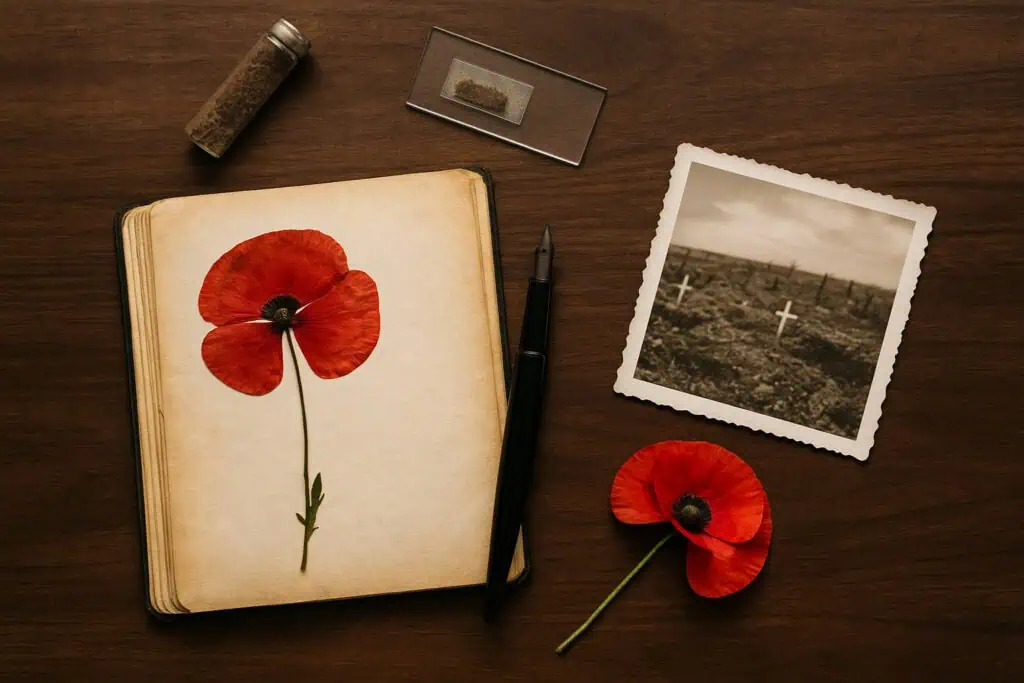
Before we decide what the poppy means today, it helps to see where people met this flower across time.
- In the ancient Mediterranean world, healers and storytellers knew the opium poppy well. Its milky sap soothed pain and brought sleep, so artists tied the plant to nighttime and dreaming gods. Over centuries, poppies moved along trade routes, were farmed for seed and oil, and appeared in temples and tomb art. (For plant background and the split between the corn poppy and opium poppy, see Kew Gardens’ overview.)
- In World War I, soldiers watched red corn poppies push up through ruined fields. The sight stuck. A Canadian doctor wrote “In Flanders Fields,” and the flower soon showed up in letters home, paintings, and public memorials. Museums still tell that story today.
- In the United States after the war, veterans’ groups began using poppies to raise funds and awareness for those who served. That practice continues each year around Memorial Day, especially through the VFW’s “Buddy Poppy” program.
So, What Is the Poppy Flower’s Significance Today?
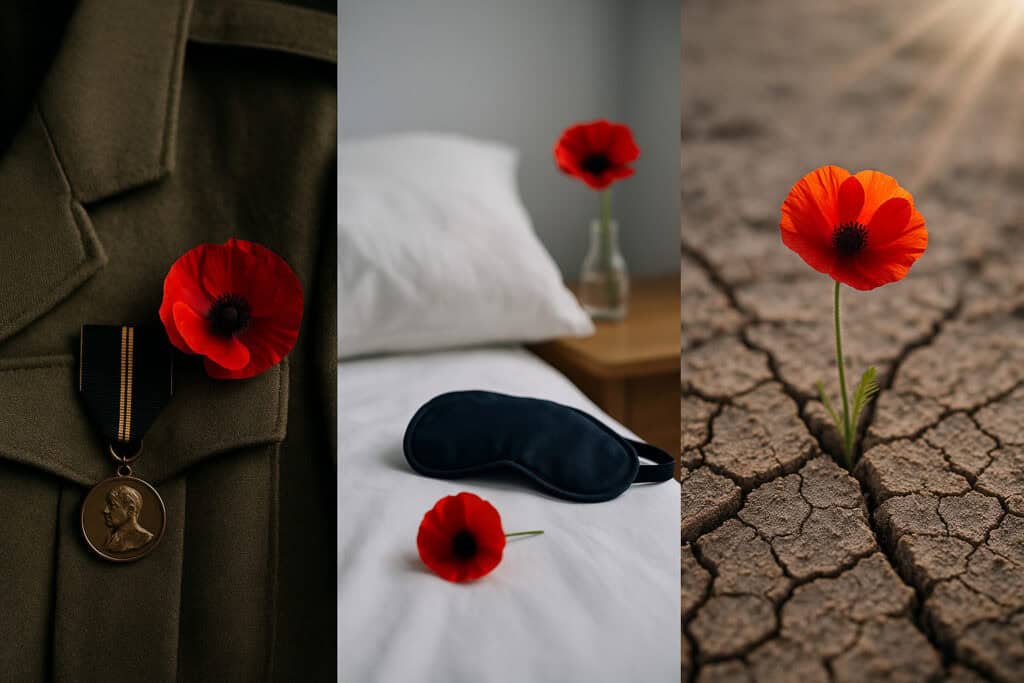
Think of the poppy as a simple flower with layered meaning. Different communities highlight different layers, but several themes show up again and again.
Remembrance and sacrifice
In the U.S., the red poppy is a public “I remember.” People pin it on coats or hats to honor those who served and those who died in war. It’s also a way to support living veterans, since many poppies are made or distributed through veteran programs like the VFW Buddy Poppy.
Peace, sleep, and consolation
Because poppy sap helped with pain and sleep in the old world, the flower picked up quiet, restful meanings. In simple words: the poppy says “rest easy.” That softer side doesn’t erase the war link; it sits beside it, pointing to calm after struggle.
Resilience and renewal
Here’s a powerful image: poppy seeds wait in the soil for years and burst to life when the ground is turned. That’s why they covered some battlefields after heavy shelling—the soil was churned up and the seeds finally saw light. The poppy flower’s significance here is hope: life can return in hard places.
Color notes (and what they suggest)
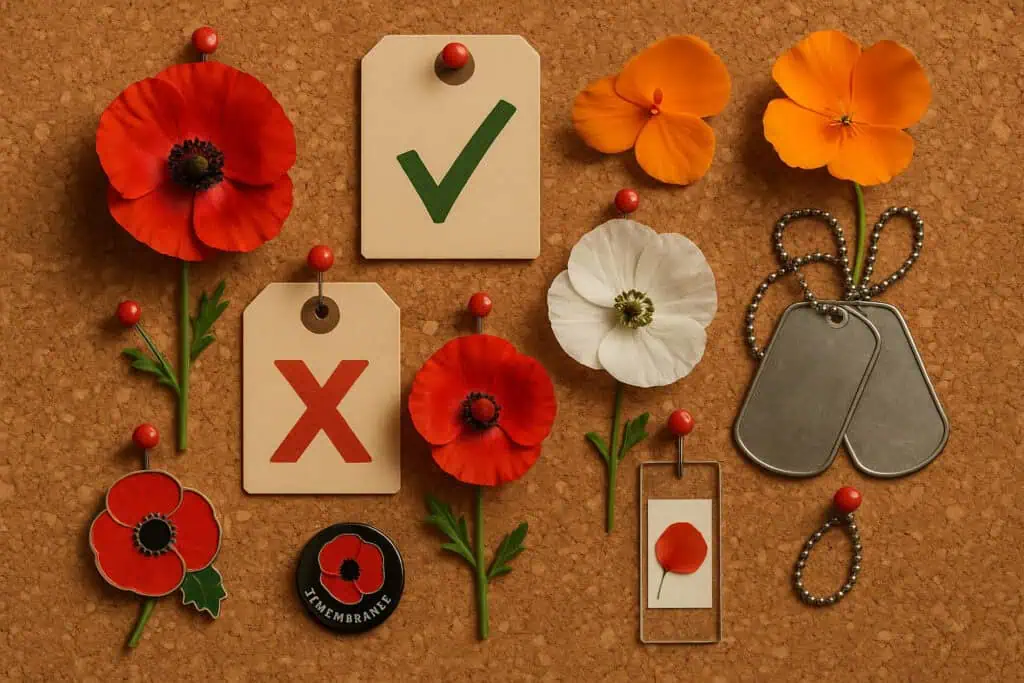
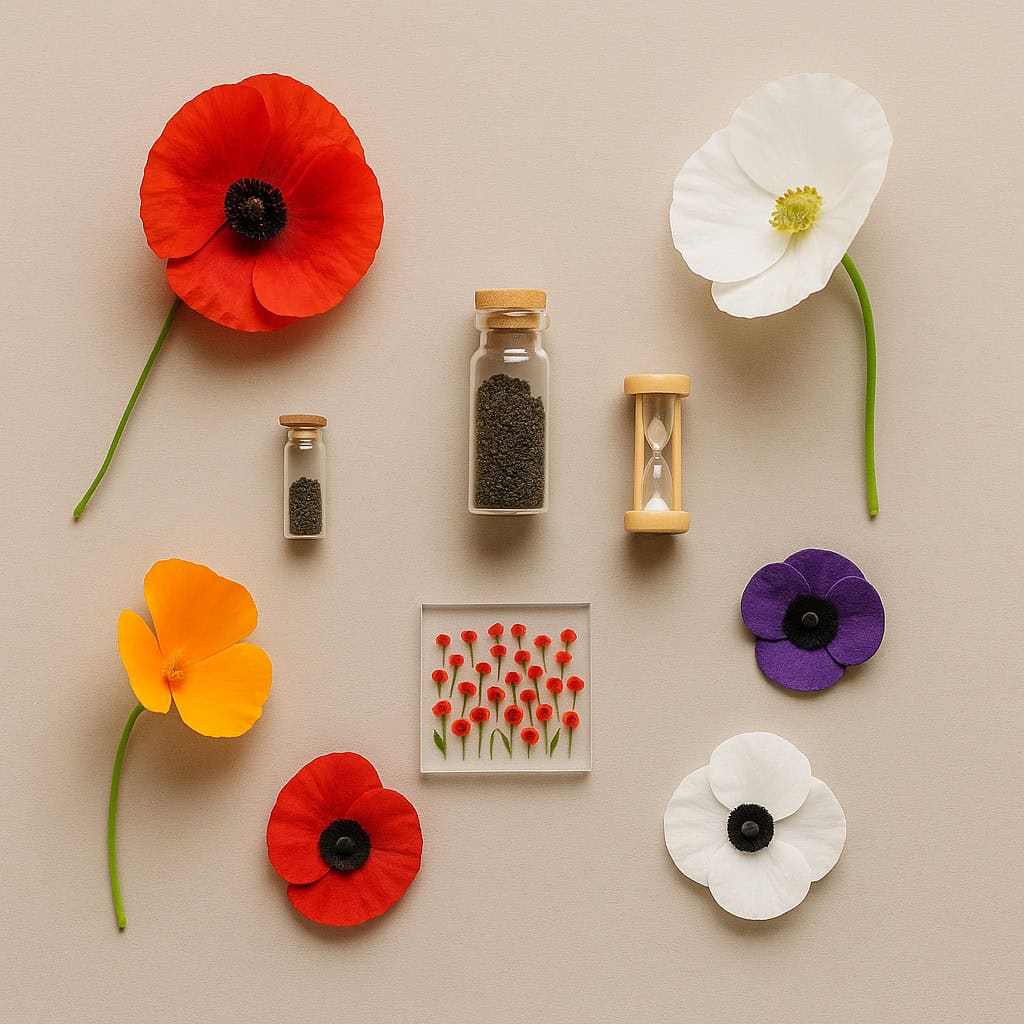
- Red poppy: public remembrance and respect for military sacrifice (common in the U.S., U.K., Canada, Australia, and more).
- White poppy: a sign of memory for all victims of war and a hope for peace; some groups choose it to stress nonviolence.
- Purple poppy (mostly in the U.K.): remembers animals that died in war.
- Orange/gold “California poppy”: a cheerful wildflower and state symbol (not an opium plant). It’s a different species with a different story (see the U.S. Forest Service profile).
Put together, the poppy flower’s significance mixes public memory, private comfort, and a reminder that new life can follow loss.
FAQs on the Poppy Flower
What does the red poppy mean in the United States?
It’s a sign of honor and remembrance, often seen around Memorial Day. Many Americans get theirs from the VFW’s long-running “Buddy Poppy” effort, which supports veteran care and outreach; read more on the VFW’s site.
Why did poppies become a memorial symbol in the first place?
World War I turned farmland into churned earth. Poppies thrive in disturbed soil, so fields of red blooms followed the fighting. A poem, “In Flanders Fields,” made that image unforgettable; museums like the Imperial War Museums keep the full story.
Is it illegal to grow poppy flowers in the U.S.?
You can legally grow many ornamental poppies. But growing the opium poppy (Papaver somniferum) for drug production is illegal. Many people plant non-opium species (for example, the California poppy) just for color. For a safe, iconic option, learn about the California poppy from the U.S. Forest Service.
What does the white poppy stand for?
The white poppy focuses on peace and remembering all who suffer in war—civilians and service members alike. It’s offered by the Peace Pledge Union; see their explanation of the white poppy’s meaning.
Can eating poppy seeds really affect a drug test?
Yes, sometimes. Poppy seeds can carry tiny amounts of opioid residue from the seed pod. The FDA has warned that certain seeds and foods may contain enough residue to trigger a positive result on sensitive tests. If you’re facing testing, check the latest advice from the FDA and follow your program’s rules.
Do poppy flowers always mean death?
No. Many people see poppy symbolism as a balance: honoring the dead and wishing for peace. The sleep/peace idea is very old, rooted in how people used the plant for pain and rest in ancient times. That calm, consoling note still matters.
Bonus: Quick Facts on Poppy Flower Symbolism
- Two famous “poppies,” two different plants. The bright red field poppy of memorial art is usually the corn poppy (Papaver rhoeas). The pain-relieving plant is the opium poppy (Papaver somniferum). Garden guides like Kew’s break down the difference clearly.
- Seeds can wait for decades. Poppy seeds can sit dormant in soil until light and disturbance wake them, which is why they bloom after construction or plowing, which is another reason the flower feels like renewal.
- A symbol you can walk through. In Kansas City, the National WWI Museum has created large public poppy displays to mark major anniversaries, turning remembrance into a shared experience.
- A living state symbol. The California poppy (Eschscholzia californica) has been the state flower since 1903 and paints hillsides orange after rainy winters—proof that “poppy” can also mean simple joy and wild color.
Final Word: Why the Poppy Flower Significance Endures
The poppy flower’s significance survives because it’s honest. The bloom is lovely, but delicate; it honors sacrifice, yet speaks of rest; it shows up after the ground is torn, proving that life can return. In short, the poppy holds grief and hope in one small, bright cup—and that’s why it still matters.
Interested in exploring similar posts? Visit the Hidden Histories & Origins hub for more!