
TL;DR: The cultural significance of waist beads comes down to this: they mark womanhood, body pride, and personal meaning. In many West African communities, they show life stages, family ties, and beauty. Today, people also use them for body awareness, style, and connection to heritage.
The Cultural Significance of Waist Beads: A Brief History
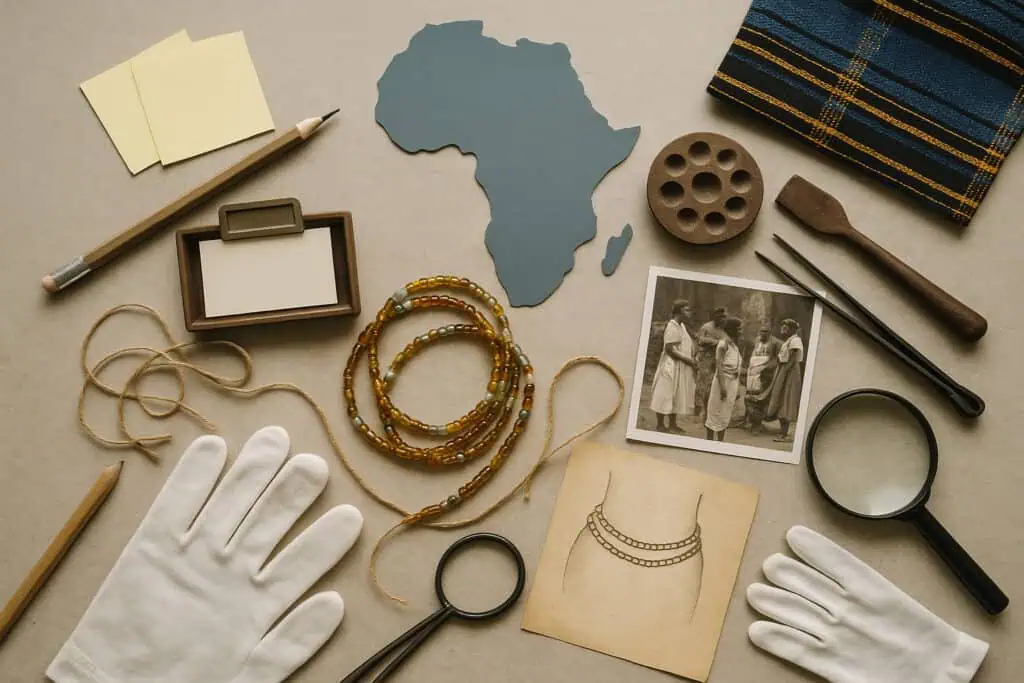
Waist adornment is not new. In ancient Egypt, bead “girdles” were worn at the hips, and museums still hold examples from over 3,000 years ago. You can see a New Kingdom bead girdle in the collection of the Metropolitan Museum of Art. Likewise, the American Research Center in Egypt outlines how jewelry, including girdles, was part of everyday dress and ritual in pharaonic times, which shows how old the practice of waist ornament truly is.
Centuries later and farther west, bead-making became a living craft in Ghana. Krobo artists developed distinctive methods for powder-glass beads, and the tradition kept growing through trade and local style. For a deeper look at this craft and its spread, see this African Arts article from MIT Press on Ghana’s glass beadmaking.
Rites of passage also matter in this story. In Ghana, the Krobo Dipo ceremony marks a girl’s step toward adulthood, and bead adornment is central to the look and meaning of that event. A clear, accessible feature from ABC News describes how girls are dressed in bright waist beads during Dipo to celebrate this transition. If you want an academic view, a university thesis explores the history and social role of Dipo in detail.
Put simply, beads at the waist have long histories; some very ancient, some connected to specific communities and ceremonies, and some tied to family craft and local identity. This background sets the stage for how people understand them today.
What Is the Cultural Significance of Waist Beads? 6 Meanings
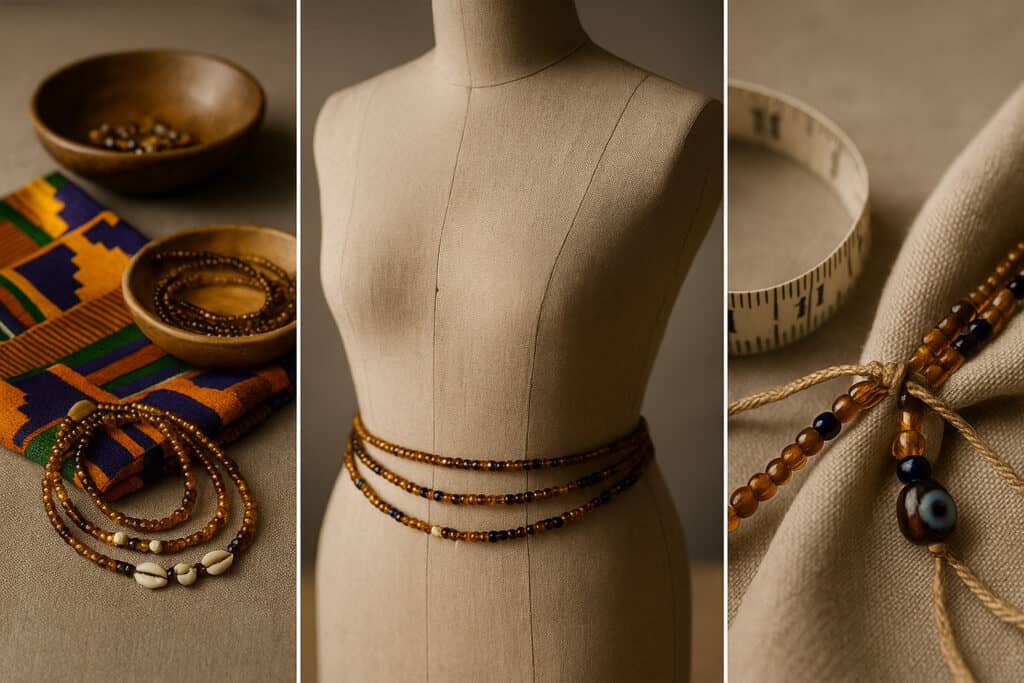
The cultural significance of waist beads is layered, but the core ideas are simple:
- Markers of life stages. In many West African cultures, strands are tied on at puberty or after the first period. They can signal growth, readiness, and the start of womanhood.
- Family and community ties. Often, a mother, aunt, or elder chooses colors and materials. The beads carry family hopes, guidance, and blessings.
- Beauty and body pride. The quiet sound and movement of beads draw attention to the waist and hips. Because of that, they celebrate curves, style, and confidence without needing to be seen by everyone.
- Personal intention. Many wearers choose colors or charms for protection, luck, faith, or motivation. Strands become a private reminder of goals or beliefs.
- Heritage and identity. For people in the African diaspora, waist beads can be a gentle way to reconnect with roots and honor ancestors.
- Practical body awareness. Since traditional tie-on strings do not stretch, their fit changes with the body. This offers a simple cue about weight change or posture without a scale.
Modern guides also reflect this mix of tradition and personal meaning. Explore this readable Healthline primer on waist beads and body awareness for a plain-language overview of uses like maturity, intimacy, heritage, and weight awareness.
All together, the cultural significance of waist beads blends community customs with private choices. Although meanings differ by region and family, the thread that runs through is respect for the body, the journey into adulthood, and the stories people carry around their waist.
Cultural Significance of Waist Beads FAQs
What do waist beads symbolize?
They often stand for womanhood, beauty, fertility, and protection. However, the exact meaning depends on the wearer’s culture, family, and intention. For instance, a strand gifted at puberty may symbolize growth, while another strand may be tied for luck or faith.
Do colors have fixed meanings?
Sometimes families or regions use color codes, yet there is no single rule across all cultures. Color meaning is local and personal. If a specific community gives you a strand, ask what their colors stand for.
Are waist beads only for showing off?
No. Traditionally, many women wear them under clothing. They can be personal and intimate, seen only by the wearer or a partner. Public display is a choice, not a requirement.
Can non-Africans wear waist beads respectfully?
Yes—if you honor the roots, avoid caricature, and support makers from the cultures you admire. Learn the story behind the strand before wearing it to public events. The goal is appreciation, not costume.
Do waist beads help with weight loss?
They do not make you lose weight. Because tie-on strings do not stretch, they can help you notice changes in your waist. That awareness may support healthy habits, but it is not a medical tool (see the Healthline guide above for how people use them in practice).
Are waist beads religious or spiritual?
They can be. Although many wear them only for style, others tie them with prayers or intentions. The spiritual side varies from person to person and from community to community.
Bonus: Waist Beads Fun Facts
- Hidden on purpose: Traditionally, many strands were meant to be private. You might never see them, even if someone wears them every day.
- Sound and motion: Some people favor beads that make a soft clink when walking. The rhythm itself becomes part of the charm.
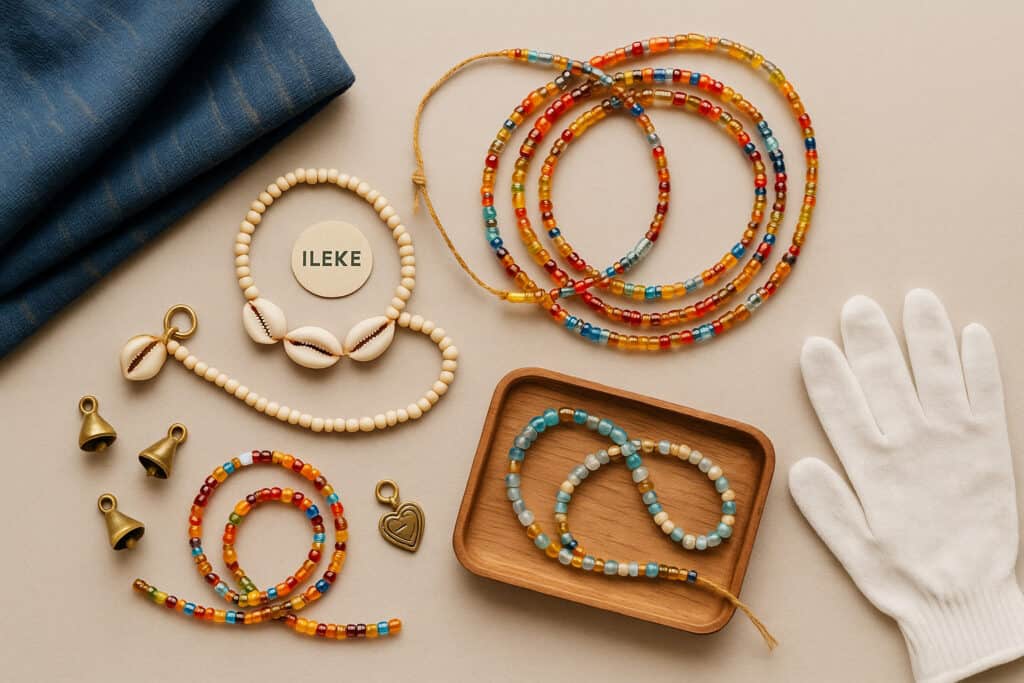
- Materials carry messages: Glass, shells, metal, or charms can each add layers of meaning—status, luck, or memory—chosen by the family or wearer.
- Words matter: In different languages, waist beads have different names (for example, ileke in Yoruba). Although the words vary, the idea of marking the waist with meaning remains.
- Museum language echoes the past: Catalog terms like “girdle” in Egyptian collections describe beaded waist ornaments found in burials, reminding us that waist adornment had ritual uses long ago.
Final Word
Waist beads are more than just fashion. They honor life stages, connect people to family and place, and help wearers feel at home in their bodies. While meanings vary, the thread that ties them all is respect: for self, for community, and for the stories we carry at the waist.
Interested in exploring similar posts? Visit the Cultural Rituals & Society hub for more!