
Gym goers would usually tell you that pre-workout is just “legal energy,” basically caffeine in a loud tub. The real reason people reach for it, however, has more to do with how your brain gates effort, how your body reads short-term signals as “ready,” and how one simple ritual can remove friction right before training. If you keep an eye out for phrases like “adenosine,” “multi-ingredient pre-workout supplements,” and “carnosine buffering,” the pieces will click later, but not until we trace how the habit formed first.
From Coffee to Neon Scoops
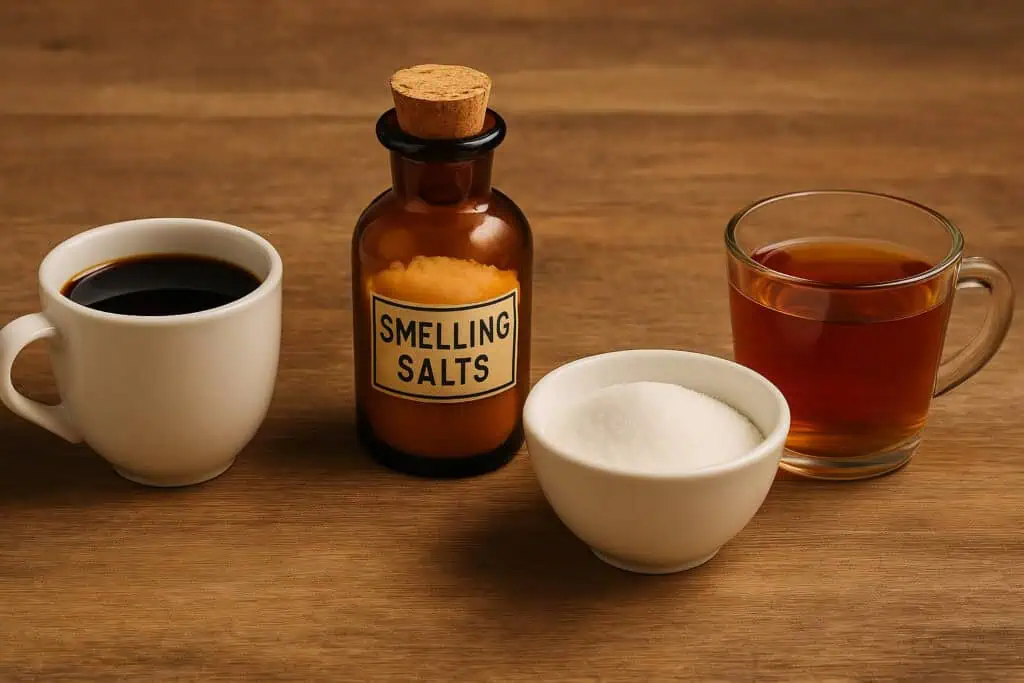
Long before neon powders and shaker bottles, people used whatever was nearby to feel sharper before hard work. Coffee, tea, sugar, and even strong-smelling salts showed up in different times and places because they had one thing in common: they changed how tiredness felt, at least for a while. As training culture grew, so did the idea that “feeling ready” could be engineered on purpose, not left to chance.
The supplement boom did not happen in a vacuum, either. In the United States, modern sports supplements emerged within a legal system that treats dietary supplements differently from drugs, shaping how products could be sold, labeled, and promoted. That framework is closely tied to the Dietary Supplement Health and Education Act of 1994 (DSHEA), which is part of why pre-workouts became a huge category rather than a small niche.
Then, the early 2000s added a turning point. Some products leaned hard on stimulant-like ingredients, and one of the most famous examples was ephedra (ephedrine alkaloids). When safety concerns rose, regulators stepped in. You can see that shift in the FDA’s 2004 final rule on ephedrine alkaloids in dietary supplements, which helped push the market toward new blends and new “performance” narratives.
As a result, today’s pre-workouts are often built as mixes rather than single ingredients. Researchers even describe this as a recognizable class of products, sometimes called “MIPS,” because the formula typically combines stimulants, amino acids, and pump-related compounds in a single scoop.
Timing, Signals, and Ritual
Brain Arousal Switch
Your brain has a built-in “sleep pressure” signal that rises throughout the day, and one big piece of that signal involves adenosine. When adenosine activity is high, effort feels heavier, and focus feels slippery, even if your muscles are fine. A common stimulant in pre-workout blocks that sends a sleepy signal for a while, so your attention feels louder and your internal brakes feel quieter. Because of that shift, the first part of the answer to why people take pre-workout is simple but sneaky: it changes the felt cost of starting.
That matters because training is not only physical. Even when you “know” you can do the session, your brain still negotiates: how hard will this feel, and is it worth it today? Pre-workout can tilt that negotiation toward action.
Effort Feels More Possible
Before you lift a weight, you predict the discomfort. That prediction is not just mood; it is a real brain process that blends memory, stress, sleep, and the last few workouts. If the forecast is “this will suck,” you stall, you bargain, or you skip the hard parts. A pre-workout dose, especially one with stimulants, can change perceived exertion and make the same warm-up feel easier, even if the bar weighs the same. The product is often used to manage the mind’s friction, not to add magical strength.
The “Pump” Feedback Loop
Blood flow is not only about oxygen delivery, but it is also about sensation. When blood vessels widen and muscles swell during training, many people feel a tight, full “pump.” Some pre-workouts include ingredients intended to support that feeling by boosting nitric oxide-related pathways or providing substrates for those pathways. The key point is not the buzzword; it is the feedback loop: a stronger pump feels like progress, and feeling progress makes you push harder. So even if the performance effect is modest, the sensory payoff can be huge.
Tingling as a Cue
Some pre-workouts cause a noticeable tingling or itching sensation on the skin, often on the face, ears, or arms. That feeling can occur when beta-alanine temporarily activates nerve endings, leading to paresthesia. Importantly, the sensation is not the same thing as muscle growth, and it is not proof that the workout will be better. Still, it is a powerful cue because humans trust sensations more than labels.
A position statement from the International Society of Sports Nutrition explains beta-alanine’s role in raising muscle carnosine (which helps buffer acid during intense efforts) and notes that paresthesia is the most commonly reported side effect, often reduced by smaller divided doses. Because the tingles are immediate, many people learn to associate them with “it’s working.”
One Scoop Convenience
Even when people know single ingredients exist, measuring them is annoying. You need separate tubs, a scale, and the patience to do it every time. A mixed pre-workout turns that into one decision: scoop, shake, drink. Because convenience reduces dropout, convenience can raise consistency, and consistency is what drives results.
So for many users, the real “active ingredient” is not only what is inside the tub. The fact is that the tub makes the start of training easier to execute.
Consistency and Control
Workouts fail at the beginning, not the middle. People miss sessions because the first ten minutes feel like a wall: changing clothes, commuting, warming up, and committing to discomfort. A pre-workout ritual can act like a starting gun. Once the drink is down, the session feels “official,” so backing out costs more psychologically. The ritual creates structure, and structure protects habits when life is messy.
Social Proof and Gym Identity
Humans copy the tribe, especially when the tribe looks confident. In many gyms, pre-workout is part of the culture: shaker bottles, flavor talk, and the shared language of “pump,” “focus,” and “PR energy.” Influencers add another layer by turning supplements into identity markers rather than just tools.
So the habit can become social. People take it because it signals seriousness and aligns with the norms around them, even if their bodies do not truly need it.
Frequently Asked Questions

Do stimulants always raise heart rate?
Stimulants can push heart rate up and can raise blood pressure in some people, especially if the dose is high or combined with other stimulants. The risk is not the same for everyone because sleep, anxiety, medications, and underlying heart issues all change the response. That is the practical reason timing and dosing matter, and it is also why “more scoops” is a bad game to play.
If someone already feels palpitations from coffee, the same person may feel worse with a strong pre-workout, since the mechanism overlaps.
Is the “crash” inevitable?
A crash usually occurs when stimulation fades while fatigue persists. If you trained hard, skipped food, or under-slept, your body will still want recovery later. Caffeine and similar stimulants can hide that need for a while, so the contrast feels sharp when the effect wears off.
So a crash is not always the product of “backfiring.” Often, it is the bill coming due from stress, low sleep, or low calories.
Does creatine work instantly?
Creatine is often included in pre-workout blends, yet its best-known benefits come from building up muscle stores over time, not from a single drink 20 minutes before training. Since the mechanism is saturated, the timing is less “right now” and more “every day.” Mayo Clinic notes that creatine may help with short bursts of power and is generally safe for healthy people when taken as directed.
That is why some people feel nothing from creatine in a pre-workout, while still benefiting from steady use.
What does third-party testing mean?
Labels are not always the full story in supplements, which is why athletes and cautious buyers look for independent testing. Third-party programs can test products for certain banned substances and verify label claims, thereby reducing risk even if they cannot make supplements “perfect.”
For example, NSF explains how its program certifies certain products as free of substances banned by many major sports organizations. That matters if your job, sport, or health depends on what is really in the scoop.
Can I take it at night?
Sleep is where adaptation happens. If stimulants push your bedtime later, you may “win” the workout but lose the recovery that makes workouts pay off. So the real question is not only whether pre-workout helps performance, but whether it harms the part that builds performance, which is sleep.
That is why cutting the dose, moving it earlier, or skipping it can sometimes improve results overall.
Bonus: Fun Facts
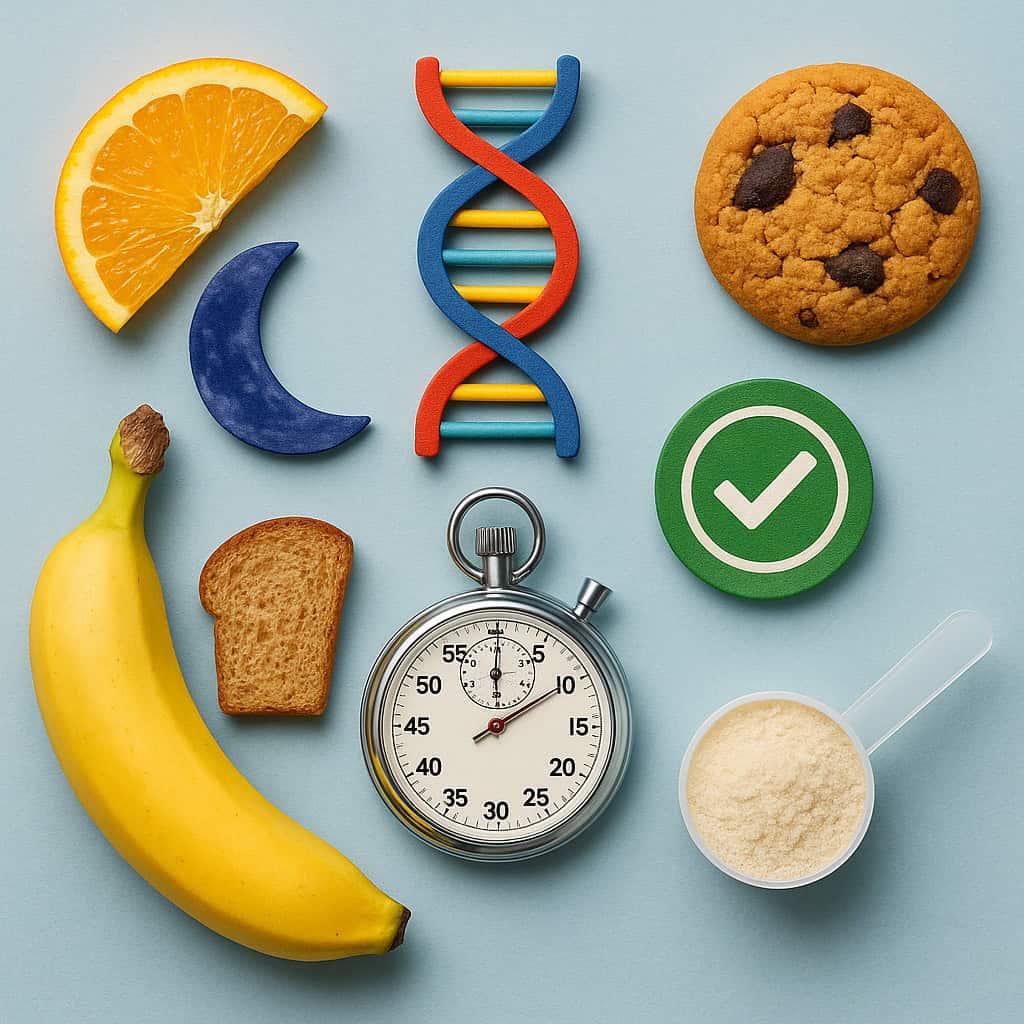
Beyond the buzz, the formulation science reveals a few quieter details.
- Some ingredients in pre-workouts have stronger evidence than others, and the “kitchen sink” formula can distract from what matters most. NIH explains which common ingredients have better support and which ones have weaker or limited evidence.
- Flavor and carbonation are not just about taste. Strong flavors can act like a sensory alarm clock, so the drink itself can cue arousal before any ingredient fully kicks in.
- The same scoop can hit differently across people because genetics, body size, tolerance, and sleep debt change how stimulants feel. That is why one person feels calm and focused while another feels shaky.
- Many people forget the simplest lever: pairing a smaller pre-workout dose with a real carb snack often improves training more than doubling the powder, because the body can actually use the fuel.
Final Word
When you notice what pre-workout is really doing, it looks less like a magic potion and more like a “start button” made of signals: a routine, a sensation, a social script, and a short-term shift in how effort feels. That perspective can be freeing, because it means you can borrow the parts that help and drop the parts that do not.
After all, if a scoop works mainly because it reduces friction and boosts belief, then the deeper question becomes: what other rituals could create the same momentum, without making your energy feel like something you have to buy?
Interested in exploring similar posts? Visit The Science of Everyday Life hub for more!