
Most people think taxes exist mainly because the government needs cash and wrote the rules to get it. However, the real reason is more structured than that, and it starts with how groups solve problems they can’t handle on their own. For example, the “free-rider problem” describes situations in which individuals benefit from resources without paying for them; “public goods” are resources, such as roads or clean air, that everyone can use; and “automatic stabilizers” are government policies, such as unemployment insurance, that help balance the economy during downturns. But the full picture only comes into focus once you ask why we pay taxes in the first place.
How We Got Here
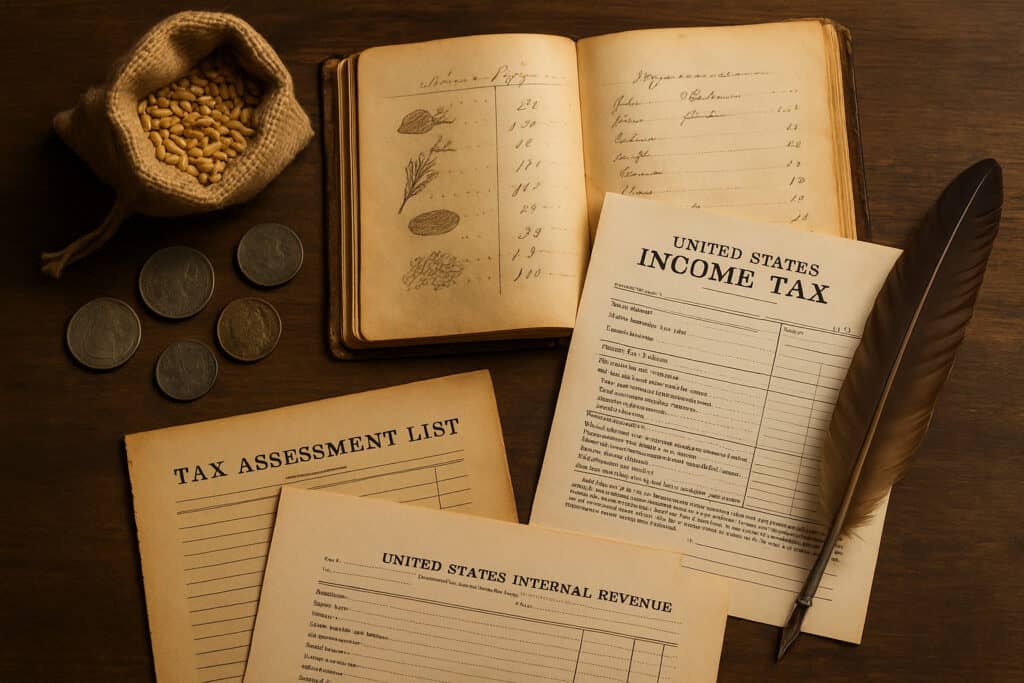
Long before paychecks and refunds, rulers collected grain, labor, or coins to fund armies and roads. Over centuries, citizens pushed for representation and clearer rules. Modern income taxes arrived only when industrial wages made record-keeping possible. In the United States, nationwide income taxation gained a constitutional footing in 1913. Its scope expanded as the country grew and urbanized.
As record-keeping, banking, and payroll systems improved, education programs and standard forms made filing more predictable. Withholding moved money as you earned it, forms translated life events into numbers, and audits made the rules credible. Because these plumbing pieces came first, the modern conversation about fairness, rates, and refunds rests on a collection infrastructure most of us never see.
Shared Systems at Work
Solving Free-Rider Problems
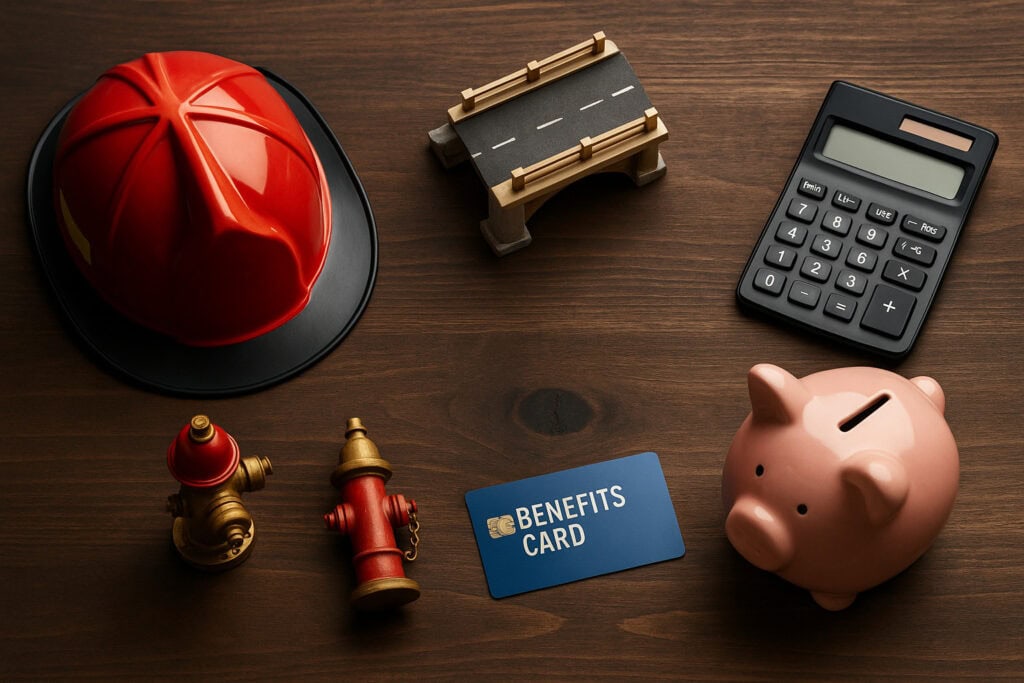
Fire protection, national defense, clean air, and disease control share a key feature: everyone benefits, whether or not they pay. If opting out while still enjoying the results were possible, many would, starving the projects. Instead of relying on donations, communities set rules requiring all to contribute, then deliver the service to everyone. This coordination beats the free-rider problem and keeps public goods available at the scale daily life demands.
Networks You Can’t Opt Out
Roads, ports, and power grids require standardization and steady maintenance. A single broken bridge can disrupt a region; a weak grid can blackout a city. Private builders can’t capture all the benefits and thus under-invest. Governments coordinate, finance, and maintain the network so it reliably serves everyone.
Pooling Risk, Buying Time
Illness, job loss, disability, and old age are unpredictable risks. When millions pool income, the fund helps those in need—not as charity, but as self-insurance. Premiums scale with income and help target those in need, reducing worst-case outcomes and steadying consumer spending.
Nudging Markets Back On Track
Unchecked markets can spill costs onto bystanders—think pollution, traffic, or addictive products. When a price ignores those harms, people buy too much of the bad and too little of the good. Targeted taxes raise the price where damage hides and steer choices back to the social sweet spot. Revenues can clean up messes or cut other taxes that slow growth. These adjustments fix problems prices miss.
Smoothing the Boom-Bust Cycle
During recessions, paychecks shrink, and private spending slows. A well-designed tax system quietly takes less when incomes fall and, through benefits, puts more cash in the hands of people who will spend it. When the economy overheats, the reverse happens. This built-in seesaw—automatic stabilizers—reduces extreme swings without a new vote each time. These stabilizers help the economy breathe more evenly across the cycle.
Frequently Asked Questions

“Isn’t taxation the same as theft?”
In a neighborhood with no rules, free riders skip paying the bill but still enjoy the fire truck, clean water, and safe streets provided by others. In a democracy, people create rules through elections, courts enforce those limits, and budgets are public. Because our contributions fund a specific public bundle, the better way to see taxes is as membership dues for a system we collectively manage, not as a random taking.
“Couldn’t the government just print money instead?”
Money creation can finance spending, but it changes prices and the value of savings. Taxes, by contrast, move real resources from private use to public use while anchoring overall demand. When programs get bigger without taxes, inflation risk rises, and the bill still shows up later through higher prices. That is why most stable systems rely on taxes for the bulk of routine funding and use money creation sparingly.
“Don’t the rich already pay everything?”
Revenues come from many streams, and the mix changes. Individual income taxes account for the largest share of federal revenue; payroll, corporate, and excise taxes make up the rest. High earners pay most income taxes, while middle earners pay much of their income taxes through payroll taxes and state and local levies. This structure spreads the load so no single lever carries the state.
“Wouldn’t smaller government fix the tax issue?”
Size matters less than clarity. If a community still wants paved roads, clean water, courts, border security, disaster relief, and basic research, the bill remains even if you cut other programs. Reducing waste is good stewardship; removing core functions simply shifts costs back to households and businesses in the form of risk, delays, and breakdowns. The more precise question isn’t whether taxes exist, but which services we choose and how we share the cost.
Bonus: quick facts
Beyond the main bill, the system has a few historical quirks and mechanical levers that most people miss.
- Withholding from paychecks became standard during World War II through “pay-as-you-go.” This turned a once-a-year scramble into steady contributions.
- The word “tax” covers many tools: income, sales, property, payroll, and excise. Each has different trade-offs. Matching the tool to the target matters because one may be better for funding schools, while another is better for pollution.
- Tax systems don’t just raise money; the way they rise and fall with the economy acts as a shock absorber. That’s why experts watch “automatic stabilizers” when judging how a budget handles recessions.
- Public trust rises when people know where the money goes and see results. Clear rules, independent audits, and open data are as important as rates. Healthy “tax morale” turns grudging compliance into broad buy-in.
Final Word
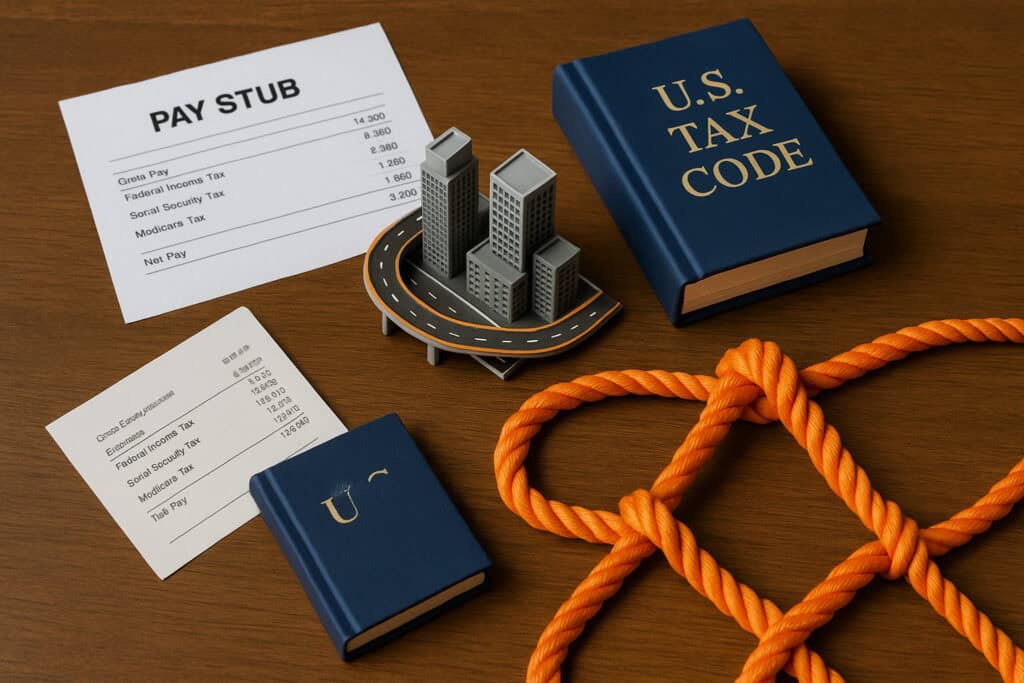
You can look at the line on your pay stub and see only subtraction. Or you can zoom out and notice the full circuit your dollars travel: through roads that ship your orders, clinics that stop outbreaks, courts that enforce contracts, and safety nets that keep your customers afloat when luck turns. Once you map the mechanics, the paycheck line stops being a mystery charge and becomes part of the machine that lets daily life run at scale. The next time someone asks why we pay taxes, the better question becomes what kind of society you want those dollars to build—and how you’d measure whether it’s working.
Interested in exploring similar posts? Visit the Cultural Rituals & Society hub for more!