
Most people assume women wear bras mainly to look “put together” or to follow fashion rules. However, the real reason lies in how soft tissue moves, how clothes are designed, and how social cues influence choices. If you’ve ever heard of Cooper’s ligaments, load distribution, or the “Jogbra,” you’ve already encountered these factors—without hearing them explained outright.
From Laces to Layers
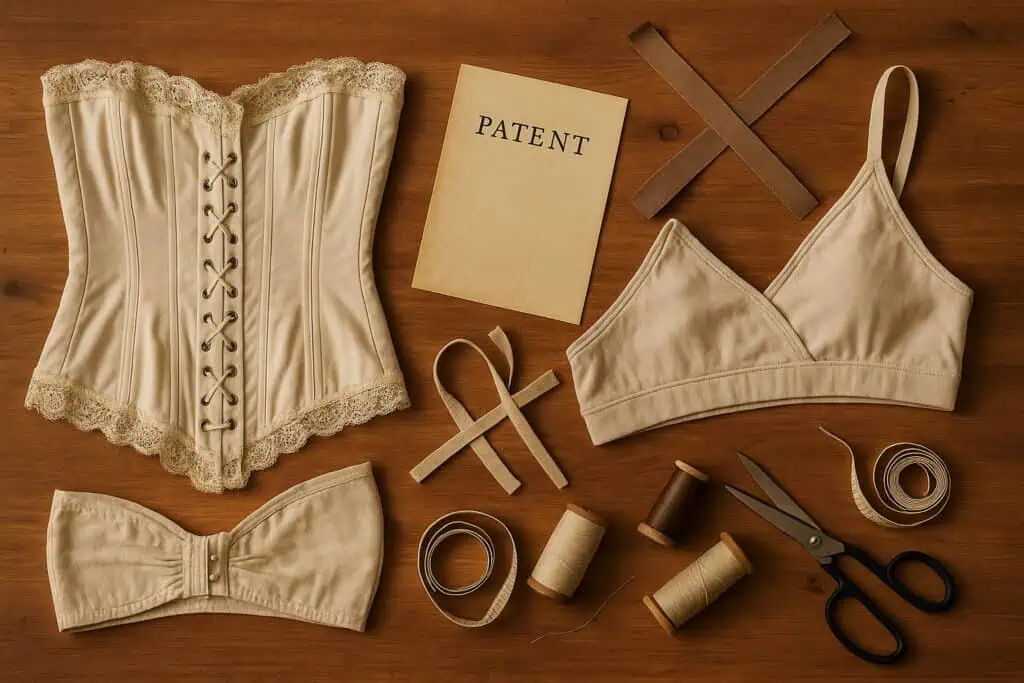
Early solutions looked nothing like what’s in stores today. For centuries, tight lacing shaped the torso from the outside, and the garment—not the body—set the silhouette. As the 20th century began, designers shifted from one rigid piece that controlled everything to smaller, separate layers that worked with natural anatomy. The move away from heavy boning and toward flexible fabrics changed what support felt like and what daily clothing could do. Over time, elastic fibers and adjustable closures made the fit more personal, and mass production brought more sizes—though not always better fits.
In the late 1970s, runners created prototypes that reduced bounce by spreading force across bands and cups rather than relying on stiff panels. Meanwhile, clothing makers designed ready-to-wear patterns to fit a supported chest, reinforcing the expectation that a single undergarment could improve fit. Changes in materials, sports, and patterns all shaped the bra market, but didn’t directly answer the main reason women wear bras.
What’s Really Going On
Motion and mechanics
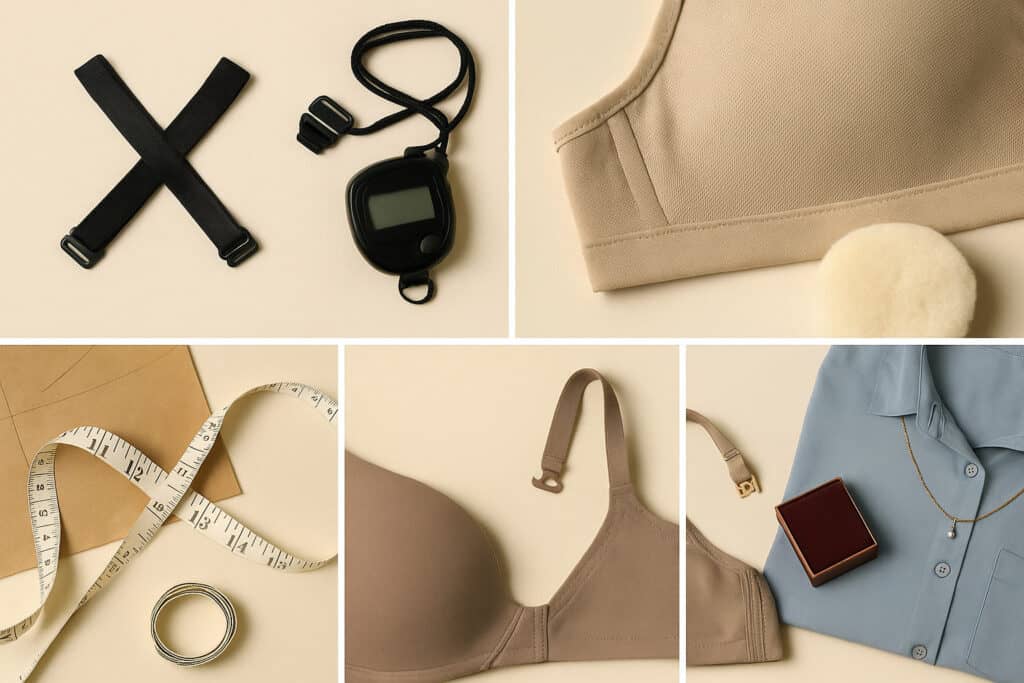
During walking, running, or even quick steps, breast tissue moves in multiple directions—up, down, forward, and diagonally. Soft tissue has little internal scaffolding, so movement creates repeated stretch on the skin and the thin fibrous network that helps shape the breast. A well-designed garment spreads that motion over a wide band and structured cups, which lowers acceleration and cuts bounce. Because it limits excess movement rather than merely compressing it, this design helps many women feel steadier throughout the day, and toward the end of that story sits a simple truth: This motion control steadies the tissue during activity, turning a physical burden into a manageable rhythm.
Fit and silhouette
Clothing patterns are drafted with assumptions: where fabric should drape, where darts release, and how seams meet across the chest. When the body and the pattern don’t agree, gaps appear at armholes, buttons strain, and the hem tilts. A supportive layer stabilizes the base, ensuring buttons lie flat and seams align as the designer intended.
Skin and comfort
Where skin rubs against skin—especially under the bust—heat, sweat, and salt can lead to chafing. A wide, smooth band reduces friction by absorbing movement and wicking moisture; straps share the load so one small area isn’t doing all the work. That distribution lowers hot spots and friction, solving the quiet but constant problem of skin-on-skin contact.
Life stages and changes
Breasts don’t stay the same through life. Growth spurts, weight shifts, pregnancy, and lactation change volume, shape, and sensitivity. Flexible designs—like stretch-cup styles or nursing bras with drop-down clips—let tissue change without pinching, while wider bands reduce pull on shoulders and back as weight fluctuates. Adaptable support reduces day-to-day strain, helping the body navigate rapid changes without losing comfort.
Signals and confidence
Clothes send messages before anyone speaks. In some settings, a smooth outline feels respectful or simply “finished.” In others, a certain shape feels stylish, modest, or expressive. Because that small layer can influence posture and the first glance a stranger gets, some people use it as a social tool—less about rules, more about control. Ultimately, the choice often comes down to social fluency; using a small garment to control how an outfit speaks in public.
Frequently Asked Questions
Does wearing a bra prevent sagging?
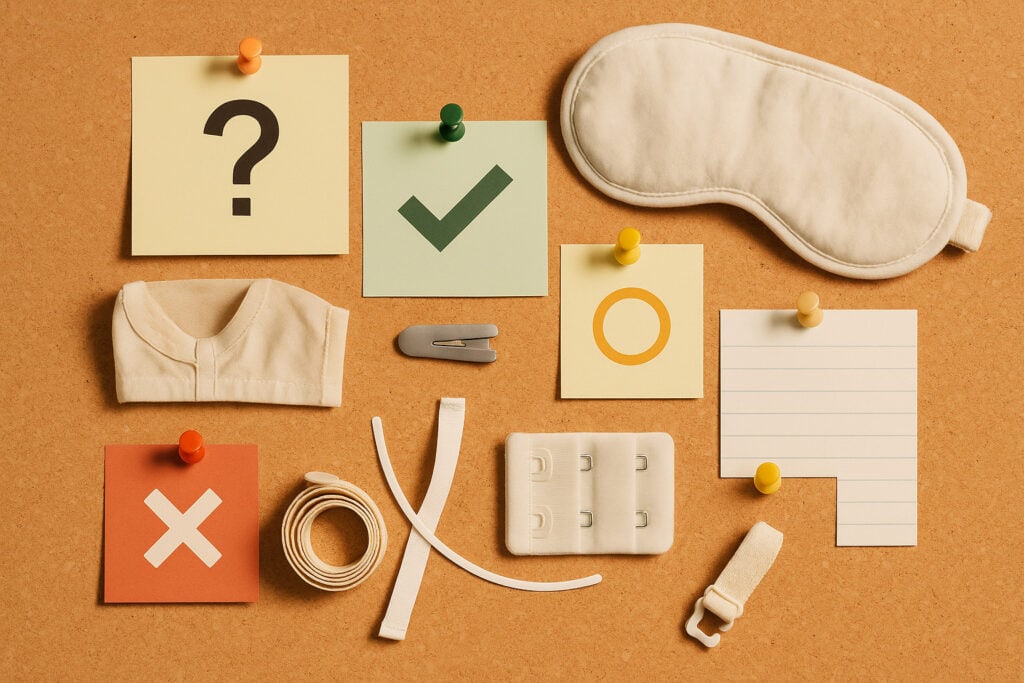
Skin elasticity, genetics, age, hormones, weight changes, and pregnancy all affect breast droop over time. While a supportive bra can lift during wear, long-term sagging is mostly due to biology and life events, not daily bra use. Therefore, the belief that bras prevent sagging forever isn’t accurate; medical sources like the Cleveland Clinic make this clear.
Should you wear one to sleep?
At night, pressure points can bother side-sleepers or people with larger chests. A soft, seamless sleep style spreads gentle support and reduces tug when turning over. Others prefer no hardware or bands at all and feel better without anything on. Since the goal is comfortable, calm breathing during sleep, the most helpful choice is the one that avoids pinching and lets you rest well.
Is there a ‘right age’ to start?
Body changes come from hormones and genetics, not from whether someone starts wearing a bralette at 12 or 16. Light layers can reduce tenderness during activity, and stretchy fabrics keep up with growth spurts without digging in. While families sometimes worry about “starting too early,” the guiding principles are comfort and movement, not a specific birthday.
Do underwires cause health issues?
Some rumors suggest that underwires increase health risks, but the anatomical channels for lymph and blood are not blocked by a wire in a fabric channel. Major health organizations do not find evidence linking ordinary bras to cancer. That’s why this remains a myth.
How do you know if the fit is wrong?
Numbers and letters aren’t a value judgment; they’re a map of band length and cup volume. Because different brands cut bands and cups differently, “sister sizes” (like 34D, 36C, 32DD) can fit similarly in volume, with tighter or looser bands. When straps do most of the lifting or the band rides up, the map is off—and a quick refit usually fixes the problem.
Bonus: extra fun facts
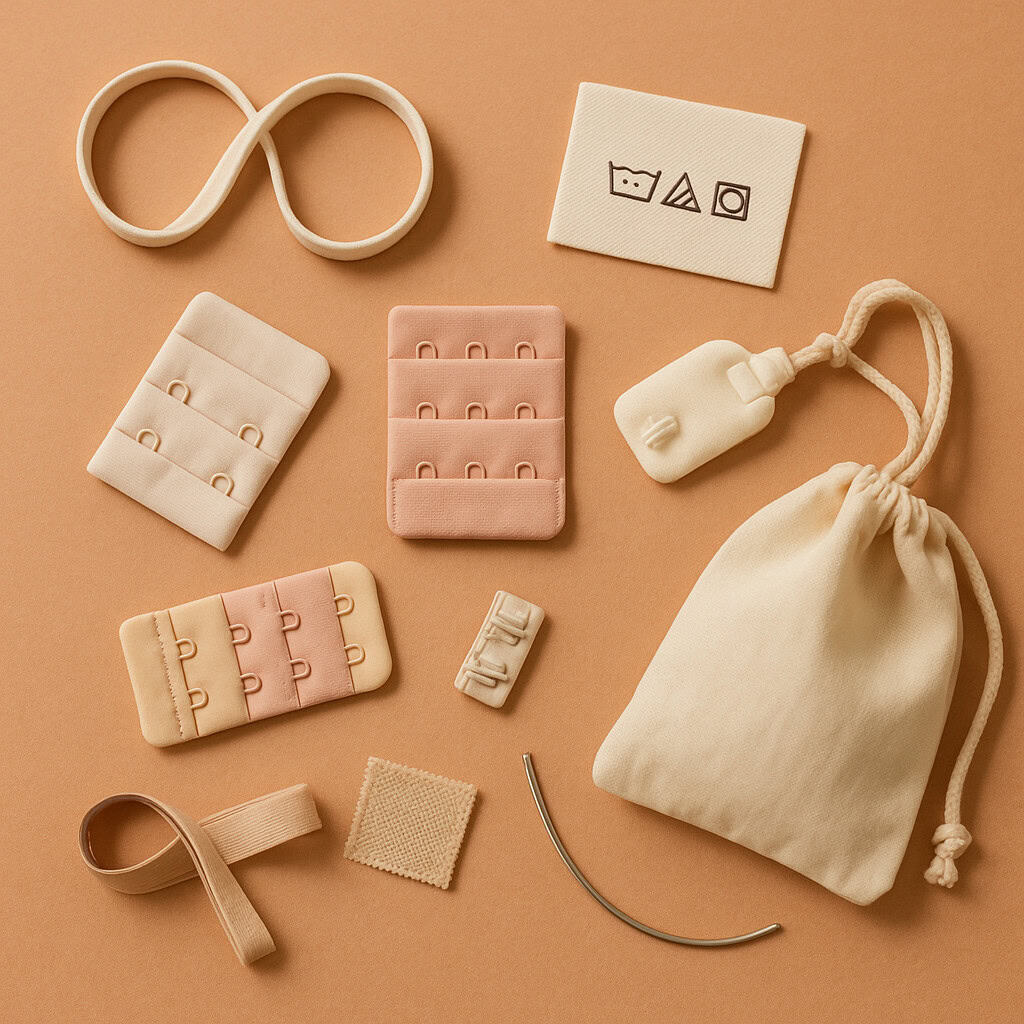
Beyond the main mechanics, the garment has a few historical quirks and maintenance hacks.
- The first popular sports model was nicknamed the “Jogbra.” It was reportedly stitched from two jockstraps by runners who needed real bounce control.
- Elastic fibers like spandex made modern stretch possible, yet they hate high heat. Because of that, line-drying extends the life of clothes far more than cranking up a dryer.
- Many brands offer “sister sizes,” which let you adjust band tightness without changing cup volume. That trick helps when the shape is right, but the clasp digs—or the band floats.
- Underwires are usually capped and sewn into channels. When they poke out, the fabric casing failed, not the wire itself. A small stitch repair can add months of use.
- Some stores recycle old bras or pass gently used items to donation networks. While options vary, it keeps elastic out of landfills longer. That practical habit, for some, is one more reason why ladies wear bras with intention and care for where they go afterward.
Final Word
Once you see how movement, clothing design, skin comfort, life changes, and social signals fit together, the picture shifts from “a rule about looks” to “a tool for living.” Instead of asking only why ladies wear bras, the better question might be: in which moments does support—physical or social—let someone move through the day with less friction and more choice?
Interested in exploring similar posts? Visit The Science of Everyday Life hub for more!