
Most people think scarves at raves are only about looking cool—or hiding a sweaty face in photos. However, the real reason lies in how bodies and crowds work together in loud, dusty, hot spaces. You’ll hear a term for it later, thermoregulation, and it changes how we see that small strip of fabric.
Roots and rituals
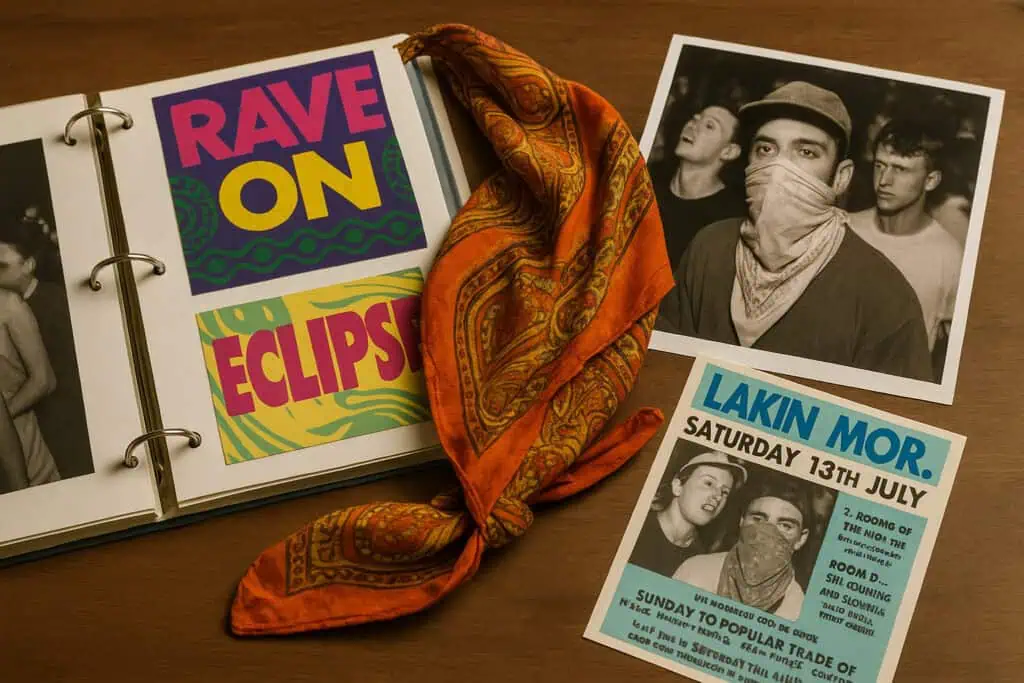
Dance parties didn’t appear out of nowhere. They grew from warehouse nights, desert gatherings, and field events where people learned fast what to bring and what to leave at home. Early scenes in the UK and US mixed DIY sound systems with long hours on the floor, and they pushed comfort hacks into shared culture. In photo archives and oral histories, you’ll spot bandanas, face wraps, and kerchiefs worn around necks, wrists, and mouths. That look wasn’t random, because conditions (heat, smoke, and dust) weren’t random either. For a quick window into those years, the Museum of Youth Culture’s features on 90s dance gatherings show how the kit evolved with the parties.
As scenes moved from illegal fields to legal arenas, the same basic issues followed the music: hot bodies, dry air, fog machines, confetti blasts, outdoor dust, and long nights. Venues changed, but habits stayed useful. A scarf traveled well, weighed almost nothing, and worked with any outfit. It also became part of the shared language of the floor: bright colors to spot friends, prints to show taste, and a quick hand signal when you needed a breather. To see how a single building shaped that culture, check out this look back at The Sanctuary in Milton Keynes and its ripple effect on dance nights across a decade.
Hidden Mechanics
Personal climate control
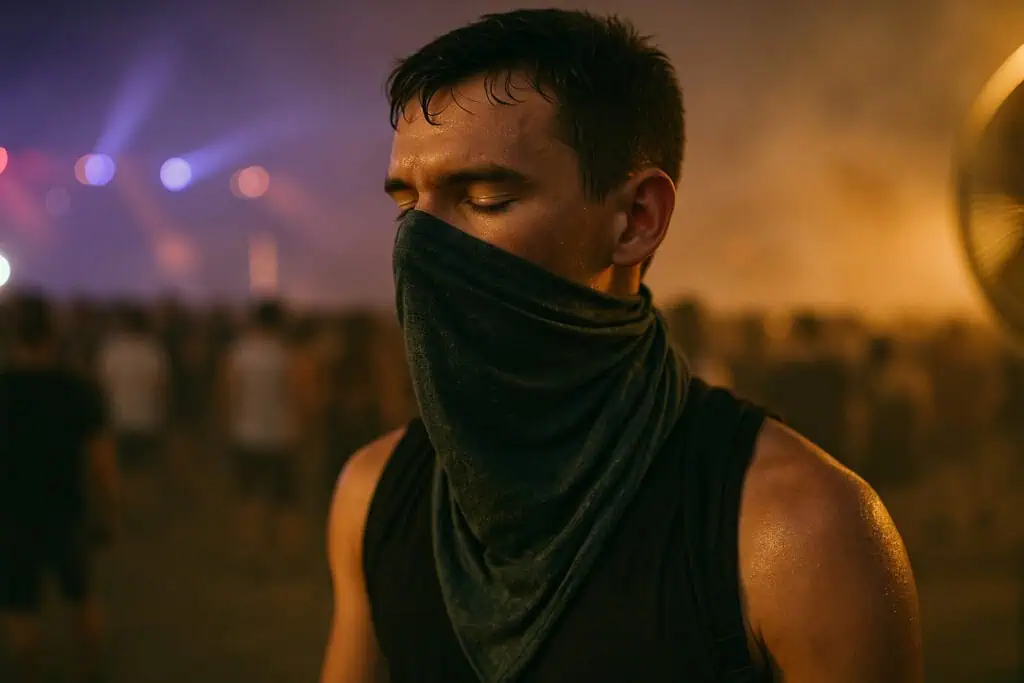
Packed dance floors trap heat and sweat. Fabric around the neck or lower face can pull moisture off skin and spread it across a larger area, so evaporation works better when you step into airflow by a fan or outside a tent. Material that moves sweat away from skin (often called wicking) helps your body dump heat without leaving you soaked. Sports research explains that clothing with good water-vapor movement supports cooling during exertion, especially when the air is moving. Because of that mechanism, a light scarf can aid comfort and reduce overheating during long sets, which is one big reason people end up wearing them at parties.
Grit, fog, and confetti
Many outdoor festivals kick up dust. Indoor stages often blast fog or paper bits. A thin layer of fabric in front of your mouth doesn’t turn into a respirator, but it does change the flow of air and catches some of the larger particles before you breathe them in. Lab tests on household materials found that scarves and bandanas have modest filtration for fine particles, much lower than that of medical masks, yet they still reduce the immediate impact of grit and fibers. Because the airflow path changes and particles get trapped in the weave, your throat can feel less raw after a night near the speakers. That small buffer, while imperfect, explains another part of the habit.
Sensory dialing
Light rigs, laser sweeps, and CO₂ bursts can feel intense. A scarf lets you dim a bit of glare, mute a harsh gust, or create a tiny sense of personal space in a crush. Covering part of your face changes how you take in the room: sound feels slightly softer, light feels less sharp, and your brain gets a cue to “take a breath.” Because that sensory nudge lowers the stress load, the dance often feels smoother. That is why people who don’t usually dress up still tuck a scarf into a pocket for the late-night hours.
Social signaling
Clubs are loud. You can’t always talk. Color and pattern do some of that talking for you: neon to be seen by your crew, paisley to nod to a sub-scene, black to keep a low profile. A scarf is easy to swing above the head to find friends, and it marks your vibe without words. As people reuse the same cues party after party, the message becomes shared code. Because the item serves as both a tool and a symbol, it remains popular even when the weather isn’t bad.
Quick fixes and hygiene
Long nights mean sweat, spilled drinks, and sticky moments. A scarf is a wipe for hands, a cushion on hot metal, a simple cover when you sit, or a buffer over a shared mic in a renegade camp. Because it solves many small problems quickly, it earns its place in the outfit. After enough nights out, that usefulness is why many dancers keep one in the bag even if they don’t plan on wearing it.
Sun, wind, and the walk back
Outdoor events don’t end at the rail. You stand in line, hike between stages, and wait for rides. A scarf shields your neck from the afternoon sun, breaks the wind at 3 a.m., and keeps dust off your lips while you cross the parking lots. Because the event lasts longer than the headliner, that all-day utility rounds out the case for bringing one. For a broader list of practical wellness tips for festival-goers, the nonprofit DanceSafe maintains a simple checklist for crowds and heat in its festival safety guide.
Frequently Asked Questions

“Is it only about fashion?”
Style absolutely plays a part, and self-expression is one reason the dance floor feels freeing. But the item stuck around because it also manages sweat, screens some grit, and gives small sensory relief during peak moments. So fashion draws you in, while function keeps the habit alive.
“Does a scarf protect like a real mask?”
Fabric changes airflow and catches larger particles, which can make breathing feel easier near dust or confetti. However, lab tests show that household textiles filter far fewer tiny particles than certified respirators do. So while a scarf helps comfort, it is not a substitute for a proper mask when the air is truly bad. If you expect heavy dust or smoke, a respirator rated for that job is the safer play; the data in this open-access filtration review makes the difference clear.
“Won’t it make me hotter?”
Heat depends on the fabric and how wet it gets. Breathable, moisture-moving materials can pull sweat off skin and, with airflow, help cool; thick cotton that stays damp can feel clammy. Because the fabric’s job is to move moisture and let vapor out, you’ll feel better when you choose something light and quick-dry. Ergodyne’s article explains wicking versus evaporative cooling in simple terms.
“Are scarves allowed everywhere?”
Rules vary by venue and local law, and staff make the final call at the door. Because some places limit face coverings, it’s smart to keep the scarf at your neck and pull it up only when needed. Checking the event FAQ before you go avoids awkward moments in line.
“Will it help if I’m sensitive to lights and bursts of air?”
A thin layer can soften strobe glare and blunted air gusts, which many people find calming. However, if flashes trigger migraines or other symptoms, planning breaks, step-backs, and shaded spots matter more. The scarf is a tool, not a cure.
Bonus: Fun facts about scarves and raves
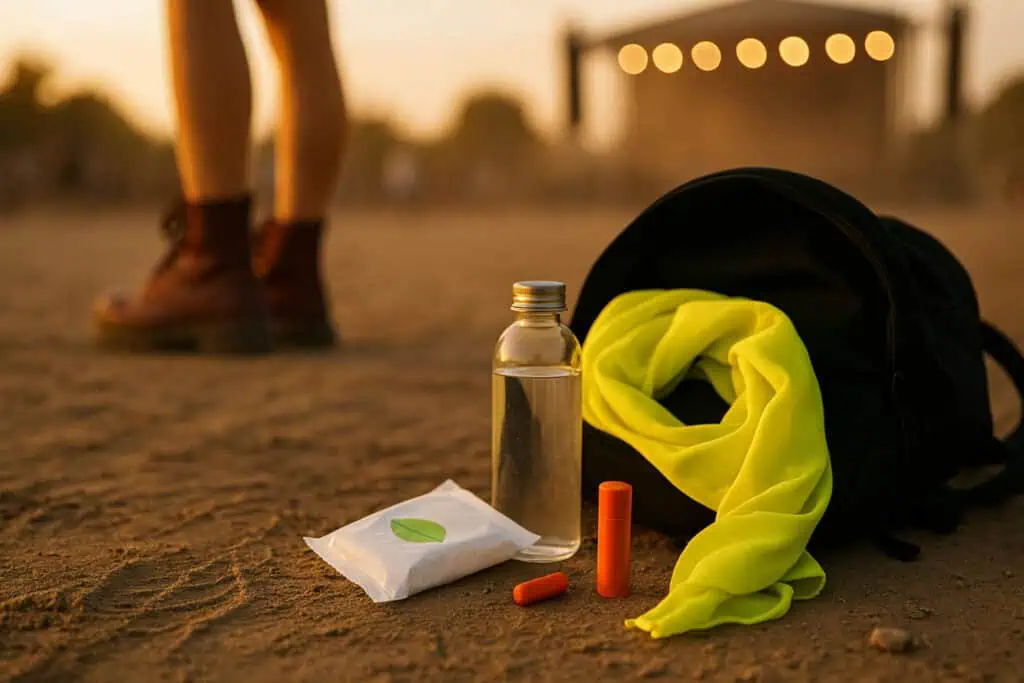
- Desert dust is alkaline and dries skin fast. While raves aren’t the same as desert art festivals, people borrow tricks from those environments (lip balm, gentle wipes, and a neck wrap for the walk back) because they work in any dry, windy place. For more on dust-specific self-care, One Medical’s tips for dusty festivals offer a few practical steps.
- Fabric matters more than brand. Tight weaves choke airflow; loose weaves let dust leak. Many dancers choose light, soft synthetics or blends because they dry quickly between sets.
- Wetting a scarf can help cool down if air is moving, but it can feel chilly once the breeze stops. Because nights swing between hot and cold, keep a dry backup.
- If you’re wondering “why do people wear scarves to raves” in winter, the answer shifts slightly: windbreak first, dust second, and style all night.
- Hand signals plus visible accessories help friends find each other quickly. A bright wrap becomes a lighthouse in back-of-crowd chaos.
Final word
You started with a fashion question and ended with body physics, crowd dynamics, and tiny life hacks that make long nights more comfortable. Once you look at dance floors through that lens, the scarf becomes one part of a larger toolkit: small, flexible choices that keep you moving longer and feeling better. What other simple items could quietly reshape a loud night out?
Interested in exploring similar posts? Visit the Cultural Rituals & Society hub for more!