
Short answer: Many Muslim women choose the hijab for faith, modesty, identity, privacy, culture, and sometimes for practical reasons like comfort or safety. Some wear it daily; others wear it in certain places or stages of life. The key point is choice: for many, the hijab is a personal act of worship and a way to live their values in public.
Background: head coverings across time and places
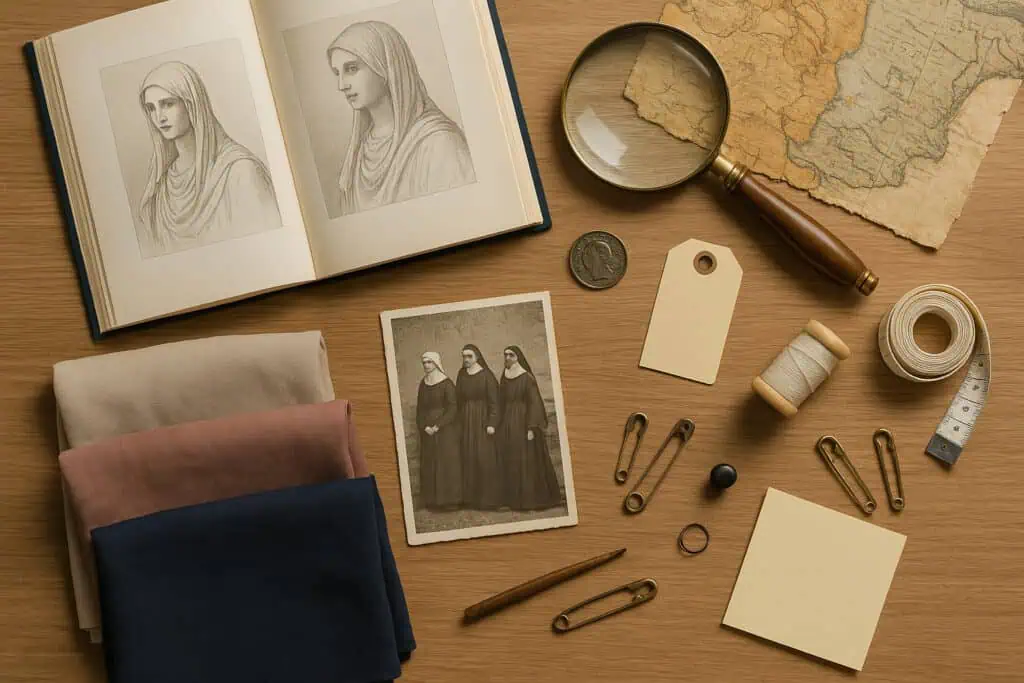
Long before today, people around the world covered their heads for many reasons. Ancient Greeks and Romans used veils at times. Jewish, Christian, and Muslim communities have each had customs for women’s and men’s headwear. For example, nuns wear habits, some Jewish women wear scarves or wigs, and some Christian women cover their hair in church. In many cultures, hats, turbans, shawls, and scarves showed respect, status, or community ties.
Because of that broad history, the hijab sits inside a much larger human story about dress and meaning. If you look at reference works, you’ll find that “hijab” today often refers to a Muslim headscarf, while in Arabic it can also mean a general “barrier” or “cover.”
Why do people wear hijabs? The 6 reasons
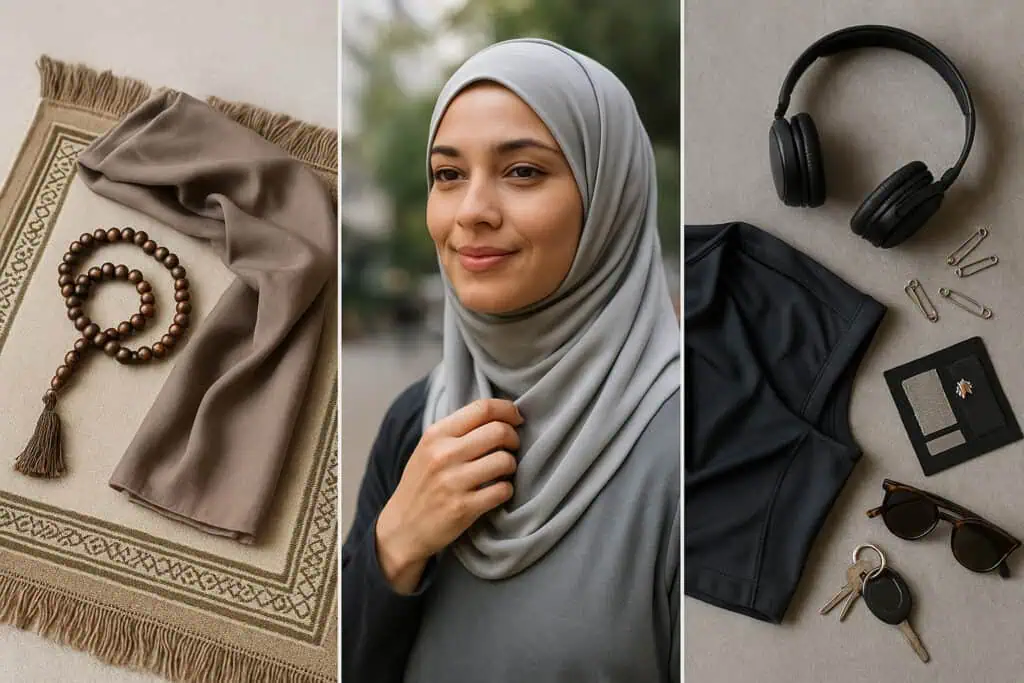
When people ask “why do people wear hijabs,” the real answer is simple but personal. It is not one reason; it is many, and they can overlap.
Faith and worship
For many Muslim women, the hijab is part of how they practice Islam. They believe God asks for modest dress. Wearing the hijab, therefore, is an act of worship. It is a daily reminder of faith, like prayer. It is not about being “better” than others. It is about trying to live in line with belief.
Modesty and privacy
Many women say the hijab helps them feel modest in public. Modesty here means keeping certain parts of the body covered and drawing less attention to them. But it also means a sense of privacy and control. With a hijab, a woman can choose how much of her hair or neck is visible. This can feel safe and respectful, especially in busy public spaces.
Identity and belonging
Clothing can say, “This is who I am.” The hijab can be a sign of Muslim identity. It can tell family, friends, and strangers, “I am part of this community.” For some, this brings comfort and pride. For others, it can open conversation.
Culture and family tradition
In many families, mothers, grandmothers, aunts, and cousins wear hijabs or other coverings. A girl may grow up seeing this and choose it later for herself. Styles often show local culture: in North Africa, West Africa, South Asia, Southeast Asia, and the Middle East, you’ll find different fabrics, pins, and ways to wrap.
Agency and personal choice
Some people think the hijab is always forced, but many women say the opposite: it is their choice. They decide if, when, and how to wear it. They may start, stop, or adjust over time. Life events (like school, work, marriage, or becoming a parent) can change how someone dresses. The key is that the decision belongs to the person wearing it.
Comfort, practicality, and fashion
A scarf can keep hair tidy in wind or rain. It can protect from sun. It can be part of a clean, simple wardrobe. Many women also enjoy the style side—matching colors, textures, and pins. Modern sport hijabs and breathable fabrics make it easier to wear during workouts and long days.
FAQs about hijabs
Is the hijab the same for all Muslims?
No. Some Muslim women wear a hijab every day; others do not. Some cover more; some cover less. Men also have modesty rules in Islam, but they do not wear the hijab. Customs differ by country, family, and personal belief.
Do women have to wear a hijab in Islam?
Different Muslims answer this in different ways. Many scholars and everyday believers say yes, it is required. Others say it is recommended or connected to local norms. Still, the lived reality is diverse: people practice their faith in many ways. Therefore, you will meet Muslim women who wear it and those who do not.
Is the hijab forced or a free choice?
It should be a free choice. In some places, laws or families pressure women in one direction or the other: either to cover or to uncover. But in many countries, including the United States, women decide for themselves. In the U.S., employers generally must allow religious dress unless it causes a serious work problem. A well-known Supreme Court case, EEOC v. Abercrombie & Fitch (2015), also protected the right to wear a headscarf at work.
Can non-Muslims wear a hijab?
If someone visits a mosque or attends a religious event, they may choose to cover their hair as a sign of respect. However, outside those settings, wearing a hijab as a fashion statement can feel strange to some Muslims, since it carries deep religious meaning. When in doubt, ask and be respectful.
Is the hijab a symbol of oppression?
No single piece of clothing can tell you a person’s story. For some women the hijab is a symbol of faith, dignity, and strength. For others, especially where there is pressure, it can be complicated. Listen to the woman wearing it. She is the expert on her own life.
What’s the difference between “hijab” and “headscarf”?
In everyday English, people often use them the same way. In Islamic law and history, “hijab” can mean a broader idea of covering or separation. A “headscarf” is simply a scarf worn on the head.
Bonus: quick facts tied to style and daily life
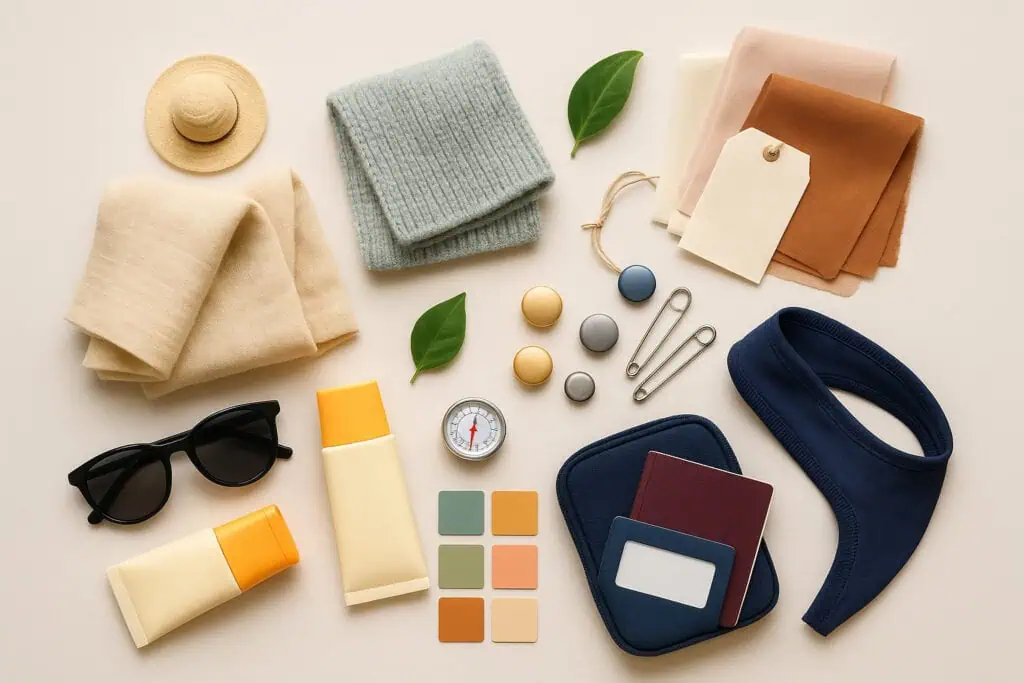
- Climate shapes fabric. In hot places, people favor light cotton or chiffon; in cold places, wool blends are common.
- Color has mood, not rules. Black is classic; pastels feel soft; prints add fun. There is no single “correct” color.
- Pins, magnets, and underscarves. These small items keep a hijab secure without damaging hair.
- Travel tips. For ID photos or security checks, staff often have rules that allow a headscarf while making the face visible.
- Sports changed the market. As more women compete, brands now produce breathable, snag-safe options. Coverage like NPR’s piece on the Nike Pro Hijab shows how demand pushed design forward.
- Words vary by place. “Hijab,” “khimar,” “shayla,” and “al-amira” describe different cuts and wraps.
- Community, not uniform. Even within one city, you’ll see many ways to cover (or not cover) based on age, job, taste, and belief.
Bonus 2: names for common hijab styles
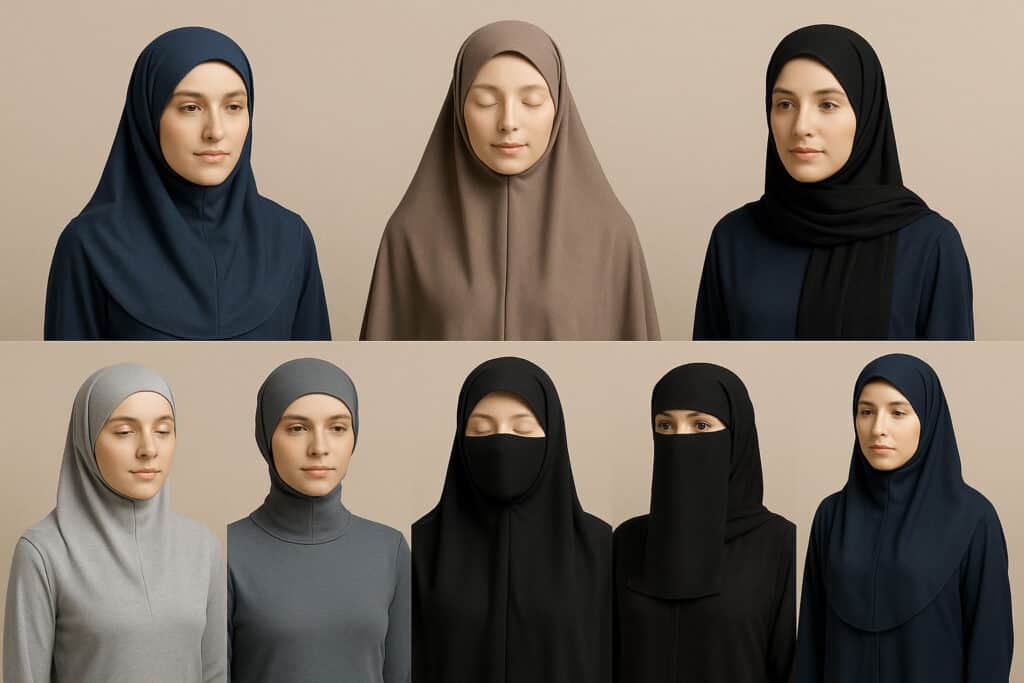
To keep terms straight, here are common styles you might hear about.
- Hijab (headscarf): Covers hair, neck, and ears; leaves the face clear.
- Khimar: A cape-like scarf that drapes over the chest and back.
- Shayla: A long rectangular scarf wrapped around the head and pinned.
- Al-amira: A two-piece pull-on style (cap plus tube-like scarf).
- Chador: A large semicircle of cloth covering the body, usually with a headscarf under it.
- Niqab: Covers the face, leaving the eyes visible (worn by a small minority).
- Jilbab/Abaya: Loose outer garments paired with a headscarf.
Final Word on why people wear hijabs
People wear hijabs because it brings faith, modesty, and identity into daily life. Some choose it for spiritual reasons, some for comfort, and many for a mix of both. The most important thing is to respect the person wearing it. Her story, not the scarf, tells you why it matters.
Interested in exploring similar posts? Visit the Cultural Rituals & Society hub for more!