
TL;DR: Why do people burn sage? Mainly for spiritual cleansing, ritual meaning, and a calming atmosphere; some also believe it freshens air, although smoke can irritate lungs, so good ventilation and cultural respect matter.
A brief background on burning sage
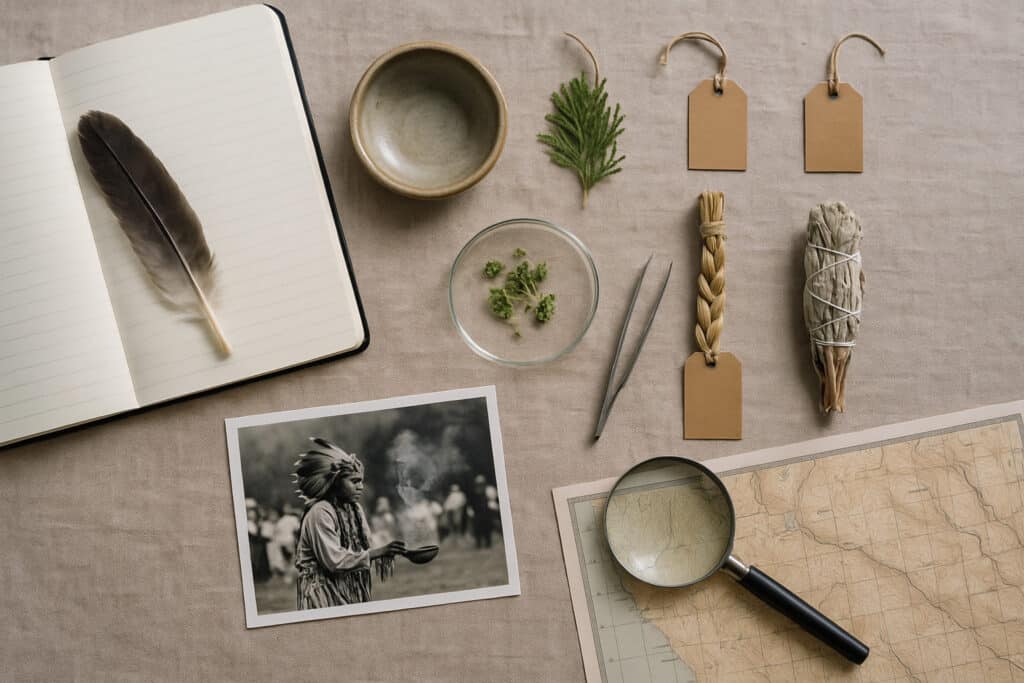
Before we get to “why,” it helps to know where the practice comes from and how it spread. For many Indigenous peoples across North America, burning botanicals is part of ceremony. In some communities it is called “smudging,” and it follows clear teachings, tools, and protocols carried by Elders. Different plants may be used depending on place and tradition; such as sage, cedar, sweetgrass, or tobacco, and the ceremony is about more than smoke; it includes intention, prayer, and specific steps.
Over time, parts of these practices were copied into wellness trends and sold as lifestyle items. Native educators and advocates point out that this copying can harm communities and sacred plants, and they offer guidance for respectful choices and language. If you are not part of a community that holds this ceremony, it is wise to learn, listen, and be careful with words and materials.
If you look beyond North America, you will also find smoke-based rites in other cultures, from herbal “saining” in parts of Europe to resin incense in many faiths. In short, the act of using aromatic smoke is old and widespread, but the meanings, plants, and rules differ widely by culture.
For more depth on cultural context and respectful practice, see resources from Native organizations such as the Native Governance Center and museum/folklife work documenting ceremony and healing traditions, like the Smithsonian’s Folklife magazine’s article on community healers and smoke cleansing practices. You can also read a plain-language overview of smudging’s ceremonial frame from Indigenous trainers.
Why Do People Burn Sage? The 4 reasons
People burn sage for a few clear reasons.
Spiritual cleansing and ritual focus
Many people believe sage smoke helps reset a room or one’s mindset before prayer, grief rituals, or everyday life. In Indigenous ceremonies, this is not random; it is a specific, guided act. Outside those settings, people often adapt the idea to mark a fresh start, set intentions, or build a sense of calm.
A calming scent and a simple routine.
The smell, the slow lighting, and the hand motions can feel grounding. Even if someone is not religious, the brief routine can create a pause that feels soothing.
Air “freshening” beliefs
Some people think burning sage helps clear the air. There is a small body of research on “medicinal smoke” showing short-term drops in airborne bacteria in a sealed room, but this does not mean the smoke is a general air purifier for daily use, and it does not prove broad health benefits. (More on science and safety below.)
Symbolic new beginnings
People often use it when moving homes, after arguments, or when starting new projects. The smoke marks a moment, so the action becomes a symbol you can feel and remember.
Because words matter, it is also important to say: if you are not part of a community where smudging is a living ceremony, avoid calling your personal practice “smudging.” You can say “smoke cleansing,” be mindful about where you get materials, and follow safety steps.
FAQs about burning sage
Does burning sage “clear negative energy”?
Many people feel that way because ritual plus scent can shift mood and attention. In Indigenous ceremonies, there are sacred teachings behind that belief. Outside of ceremony, it works more like a personal cue: you pause, breathe, and reset. That said, it is a belief and a feeling, not a medical claim.
Is it okay to burn sage if I am not Indigenous?
It’s better to avoid calling it “smudging” and to avoid buying white sage bundles. If you want a home ritual, try smoke-free options or use non-sacred herbs you grow yourself. Learn from Indigenous sources about cultural respect.
Does burning sage kill germs in the air?
One study in a sealed room showed a drop in airborne bacteria for a time after burning herbal material. However, that does not mean daily “air cleaning,” and it does not make smoke healthy to breathe. Ventilation still matters, and there is no proof it fights viruses in real homes.
Is burning sage bad for my lungs?
Smoke adds fine particles to the air that can irritate lungs and affect the heart, especially for people with asthma or other conditions. Agencies warn that burning things indoors increases particle levels. If anyone in your home is sensitive, skip it.
What can I do instead of burning sage?
Try a short breathing ritual, music, a gentle diffuser, or an outdoor walk while setting an intention. You still get a sense of ceremony without indoor smoke.
Bonus: fun facts related to sage
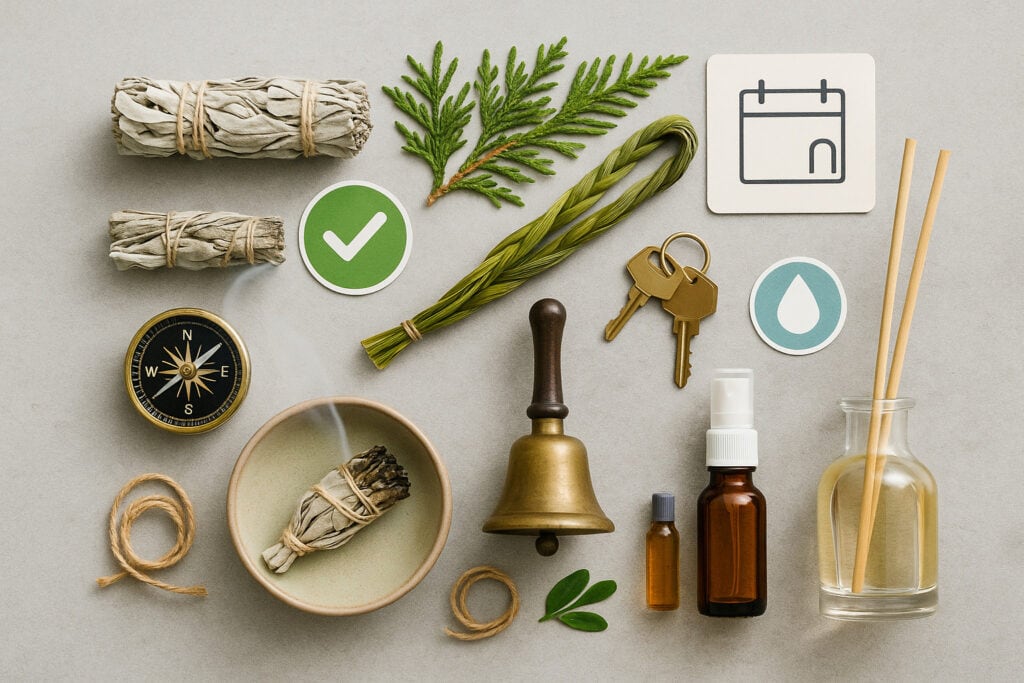
- Many plants, not just one. In different communities, “four medicines” might include sage, cedar, sweetgrass, and tobacco, and each plant has a role and teaching. Museums and Native news outlets document the wide range of materials and meanings used in purification rituals across tribes.
- Words carry weight. “Smudge stick” is a retail term. In living traditions, Elders teach the language and steps, and they guide when and how ceremony takes place. A cultural training overview explains why proper terms and protocols matter.
- Science is still catching up. Studies on indoor air show that any smoke, whether from incense, candles, or herbs, adds particles. Reviews explain how these tiny particles behave and why ventilation lowers exposure.
- Sage the herb vs. sage the smoke. Health fact sheets mainly cover using sage as food or supplement, not burning it. Claims about smoke as a cure do not match these summaries, which stress limited evidence and safety basics.
Recap
In short, people burn sage for spiritual meaning, a sense of reset, and a calming ritual. Still, because smoke can bother lungs and because the practice holds deep cultural roots, it’s best to be respectful with your language and your materials—and to choose smoke-free options when health or context calls for it.
Interested in exploring similar posts? Visit the Cultural Rituals & Society hub for more!