
TL;DR: Henna cultural significance comes from the way this simple plant-based dye marks blessing, protection, joy, and identity on the skin during big life moments like weddings, holidays, and rites of passage; because the patterns fade, they also remind people that special days are temporary, but love, family, and faith last longer than any stain.
A Short History of Henna Around the World

Long before henna turned into a trend at music festivals and mall kiosks in the United States, it was just a hardy shrub growing in hot, dry climates. The plant, called Lawsonia inermis, likely spread from parts of North Africa and the Middle East across Asia over thousands of years. People learned that if you dried the leaves, ground them into a powder, and mixed them with liquid, you got a deep orange-red dye that clung to skin, hair, and fabric.
Over time, different communities began using henna in their own ways. In ancient Egypt, it showed up in burial practices and hair dye. Across the Middle East and North Africa, it touched everything from fingertips to textiles. In South Asia, it became a detailed form of body art known as mehndi, especially on hands and feet before weddings and festivals.
Because henna stains only the outer layers of skin and materials, it was perfect for moments that needed a visible mark but not a permanent one. It colored hair and beards, brightened cloth and leather, and decorated bodies for all kinds of celebrations. Historians and anthropologists note that henna has been used for over 5,000 years as a cosmetic, a practical dye, and a ritual item, from North Africa and the Arabian Peninsula to India and beyond, as summarized in the encyclopedic entry on henna.
As trade routes grew and people migrated, henna traveled with them. It moved with merchants, pilgrims, enslaved people, and immigrants. It took root in Jewish communities across North Africa and the Middle East, in Muslim and Hindu families in South Asia, and in many African societies. Researchers have traced how henna became part of weddings, birthdays, and community gatherings.
Henna Cultural Significance in Rituals and Everyday Life
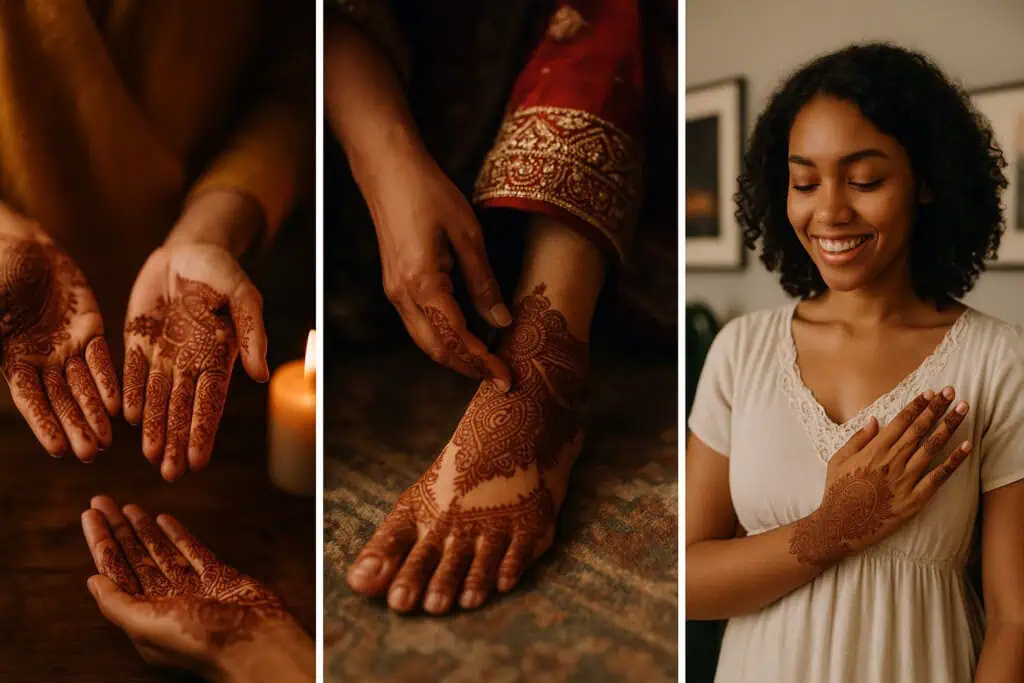
So what does all this history add up to? When people talk about henna cultural significance, they are really talking about what those stains mean in daily life: blessing, protection, joy, and identity written directly on the body.
Blessing, Protection, and Good Luck
In many cultures, henna is more than decoration. It is seen as a carrier of blessing and good fortune. When someone mixes a bowl of paste and presses it into another person’s skin, they are not just making a design. They are, in a sense, passing on care, love, and hopes for a safe future.
At weddings, this shows up in powerful ways. In Indian and Pakistani traditions, a mehndi night is often held before the wedding. Female relatives and friends gather around the bride, sing, joke, and cover her hands and feet with henna. Photographers who specialize in South Asian weddings describe mehndi as a sign of good luck, health, and prosperity for the new couple, and as a way for both families to come together before the ceremony.
Across different regions, people also give henna a protective role. Designs on palms, fingertips, and feet are sometimes understood as shields against the “evil eye” or bad energy. The stain acts like a small, portable charm. Because the color sits on exposed parts of the body, it quietly signals, “I am blessed and guarded” without anyone needing to say a word.
Marking Life Transitions and Rites of Passage
Henna cultural significance is especially strong at turning points in life. Weddings are the best-known example, but they are not the only one. In parts of Africa, the Middle East, and South Asia, henna may appear at births, coming-of-age ceremonies, and major holidays.
For instance, some Malian brides take part in an intense henna ceremony that marks their shift from girlhood to womanhood. During this event, women in the family gather, share advice, and paint complex patterns on the bride’s hands and feet. Fashion and culture writers have described how these designs can stand for unity, strength, and the hopes of the community surrounding the new couple.
The key idea is simple: henna marks the body at the very moment life is changing. The stain lasts a short time, just as the ceremony itself does, yet the memory of that marked skin and that shared experience can stay with a person for decades.
Henna as Identity and “Wearing Your Roots”
Another major side of henna cultural significance is identity. For many people, henna is a way to literally wear their roots on their skin. It connects them to grandparents and ancestors who used the same plant in villages thousands of miles away.
Writers from African and diasporic communities have called henna a symbol of pride and creativity, especially for Black and Brown women who have seen their cultures ignored or mocked in mainstream spaces. One essay on African henna traditions describes it as a living link between past and present, turning the body into a canvas for stories and heritage.
In many immigrant families, henna also becomes a bridge between generations. A grandmother may remember applying henna at home before festivals in her country of origin, while her granddaughter now books a professional artist in a Western city. The designs may change, but the act of sitting still while someone paints your skin remains a moment of connection and trust.
Henna Cultural Significance in Modern Western Contexts
Today, people in the U.S. might meet henna at music festivals, yoga studios, cultural fairs, or wedding events that mix different traditions. For many, it is simply a fun way to try temporary body art. However, for communities where henna has deep roots, it still carries all those layers of meaning—family, faith, history, and survival.
Because of this, there is an ongoing conversation about respect. Some henna artists argue that it is fine for anyone to enjoy henna, as long as they understand it is not just a random pattern and are willing to listen, learn, and pay fairly. Others feel uncomfortable when henna is treated like a costume or stripped of its background.
For an American reader, the main takeaway is this: henna can be beautiful and welcoming, but it is also someone’s heritage. Asking about the designs, crediting the culture, and supporting artists who come from those traditions are all ways to honor its deeper meaning.
Henna Cultural Significance FAQs
Is henna religious or just cultural?
Henna sits in a gray space between religion and culture. It is not limited to one faith. Muslims, Hindus, Jews, Christians, and people from other backgrounds all use it in different ways. In many places, religious holidays and community traditions blend together, so it can be hard to draw a clean line.
A Muslim family might use henna for Eid celebrations, while a Hindu family uses it for Diwali, and a Jewish family from North Africa might include it in a pre-wedding party. In all these cases, henna supports the emotional tone of the event more than it acts as a formal religious rule. So, it is better to think of henna as a cultural practice that often shows up inside religious life, rather than as a strict command of any one religion.
Why do brides wear henna on their hands and feet?
Brides wear henna because it changes how they feel and how others see them during a huge life event. The careful patterns and deep color highlight the hands that will greet guests and the feet that will step into married life. In many places, the designs are meant to make the bride feel precious, loved, and surrounded by good wishes.
Some communities have playful beliefs around bridal henna. People may say that the darker the stain, the stronger the love or the better the future will be. Others look for the groom’s name hidden inside the patterns.
Does every henna pattern have a special meaning?
Sometimes, but not always. Certain shapes and motifs do carry shared meanings. For example, flowers may stand for joy or new life, vines can suggest growth and connection, and paisley forms may echo seeds or droplets. In North African designs, sharp, geometric lines can hint at protection, while in South Asian designs, lace-like coverage can suggest abundance.
However, henna is also an art, and artists are creative people. Many mix traditional motifs with modern ideas, trends, or client requests. A design might be chosen simply because it looks good on that person’s hand or because it matches their outfit. Because of this, henna cultural significance lives not only in fixed symbols but also in the shared moment between artist and wearer.
Is it okay for non-South Asian or non-Middle Eastern people to wear henna?
There is no single answer that everyone agrees on. Some people say “yes,” as long as you treat henna with respect, support real artists, and recognize its roots. Others feel hurt when they see henna used as a fashion accessory with no awareness of the history, struggles, and stereotypes their communities face.
If you are not from a culture where henna is traditional, a good rule of thumb is to be curious and humble. Ask the artist where the designs come from, listen to their stories, and avoid calling it a “tattoo” if they prefer words like henna or mehndi. It also helps to stay away from “costume” uses, like pairing henna with clothing that mocks or stereotypes a culture. When in doubt, let artists from those communities lead the way.
Is “black henna” safe?
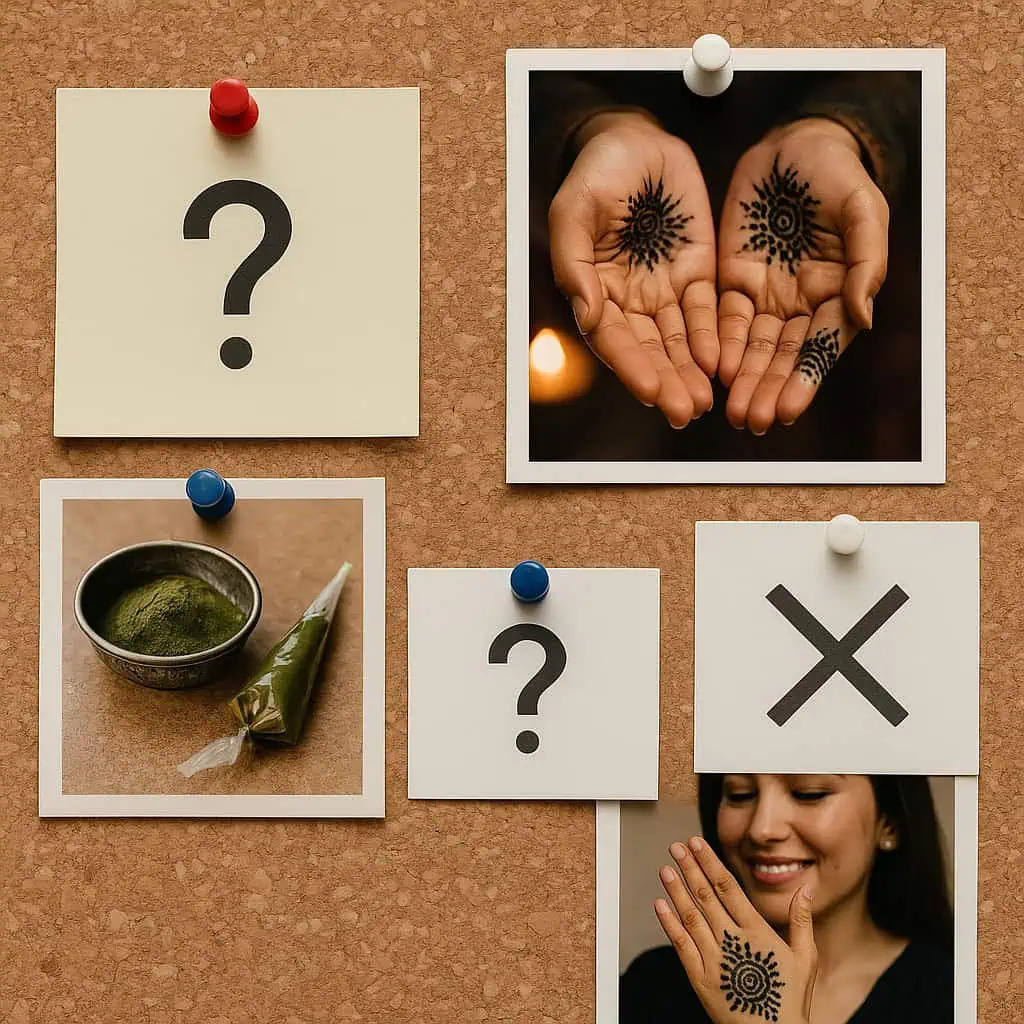
No. “Black henna” is usually not henna at all. It often contains PPD (para-phenylenediamine), which can cause chemical burns, blisters, scarring, and long-term dye allergies. Check the the U.S. FDA guidance for more details.
Real henna (from Lawsonia inermis) stains orange → reddish-brown → deep brown over 24–48 hours—never jet black and never within minutes. If in doubt, ask for ingredients; a safe cone lists henna powder, lemon/tea, sugar, and a small amount of skin-safe essential oil (e.g., lavender). (Side note: “white henna” is body paint/adhesive, not henna.)
Bonus: Surprising Facts That Show Henna’s Cultural Reach
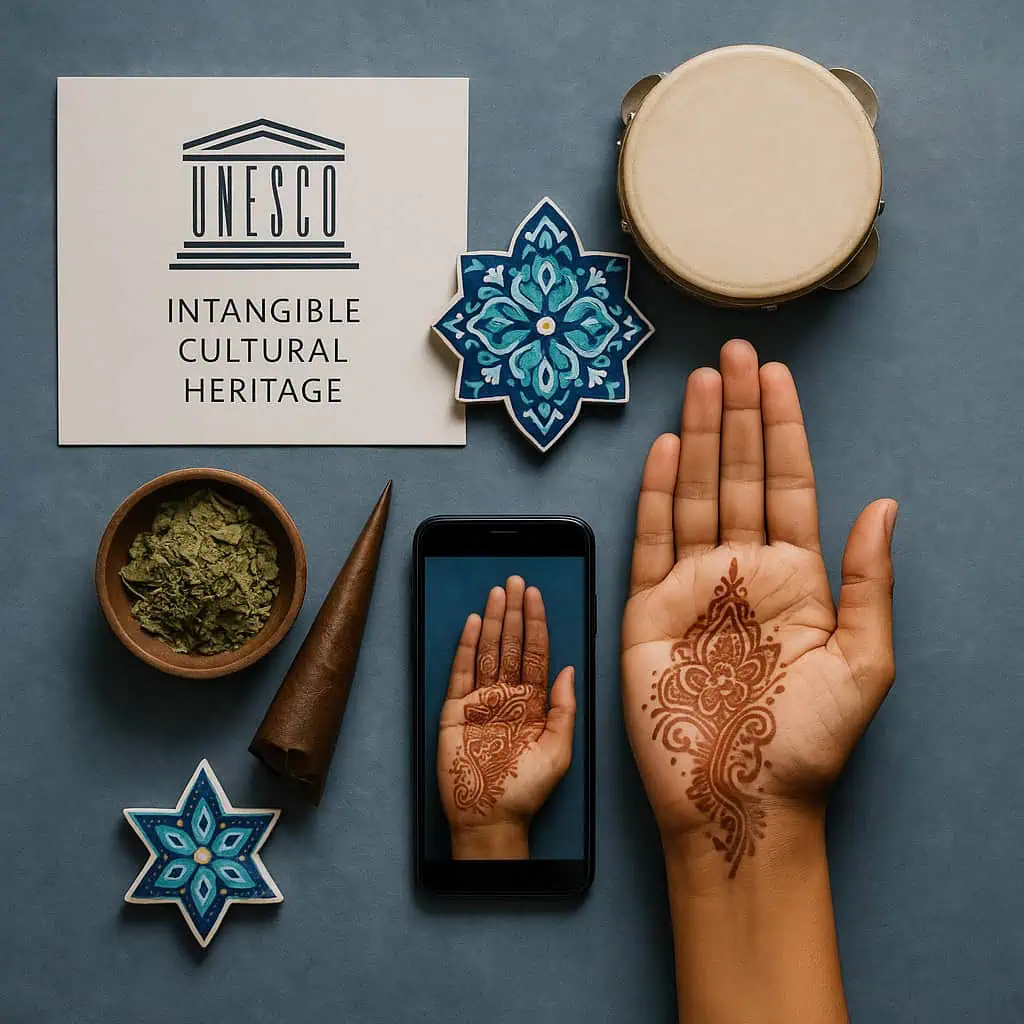
Here are a few extra details that highlight just how wide henna cultural significance really is:
- It is officially recognized as heritage. In recent years, henna practices in several Arab countries were added to UNESCO’s list of intangible cultural heritage, which is reserved for living traditions worth protecting for future generations.
- It crosses many borders and faiths. Henna is traditional in parts of North and West Africa, the Horn of Africa, the Middle East, South Asia, and even in historic Jewish communities from Morocco to Iraq. Researchers have documented how it appears at births, circumcisions, pilgrimages, and many other life-cycle events, not only at weddings.
- It marks both joy and serious moments. While henna often means celebration, some communities have also used it in more solemn ways, like during times of illness or at certain memorials, to seek comfort, blessing, or strength.
- It is not just for skin. People have used henna to dye hair, beards, fabrics, leather, and even drum skins. Modern festival organizers explain that the same plant that colors a bride’s palm can also color a musician’s drum or a piece of ceremonial cloth.
- New styles keep appearing. Today, you can find white henna-style body paint, glitter henna, and hybrid designs that mix symbols from different traditions. Some artists work to keep older local styles alive, while others push henna into new spaces, like gallery shows or activist art projects.
Each of these facts shows that henna is not stuck in the past. It keeps growing and changing with the people who use it.
Final Word: Why Henna Cultural Significance Still Matters
So, henna cultural significance is not just about pretty patterns on hands and feet. It is about how people all over the world turn a simple plant into a sign of blessing, protection, and belonging during the most important days of their lives. When someone leans over you with a cone of paste and slowly traces lines on your skin, they are sharing more than a design. They are sharing memory, hope, and history.
If you live in America and you see henna at a wedding, festival, or neighborhood event, you are not just looking at body art. You are looking at thousands of years of human habit: marking big moments with color that fades from the skin but stays in the story. When you understand that, you step a little closer to the people who carry this tradition—and you help keep its deeper meaning alive.
Interested in exploring similar posts? Visit the Cultural Rituals & Society hub for more!