
TL;DR: Bowling isn’t in the Olympics because the Games have limited slots, and host cities choose a few “extra” sports that best fit their goals. Bowling is recognized and global, but it keeps losing out to sports with stronger TV pull, youth buzz, or strategic value for the host. It’s not about skill or respect; it’s mostly about program size, media appeal, and timing.
A short history: bowling and the Olympics
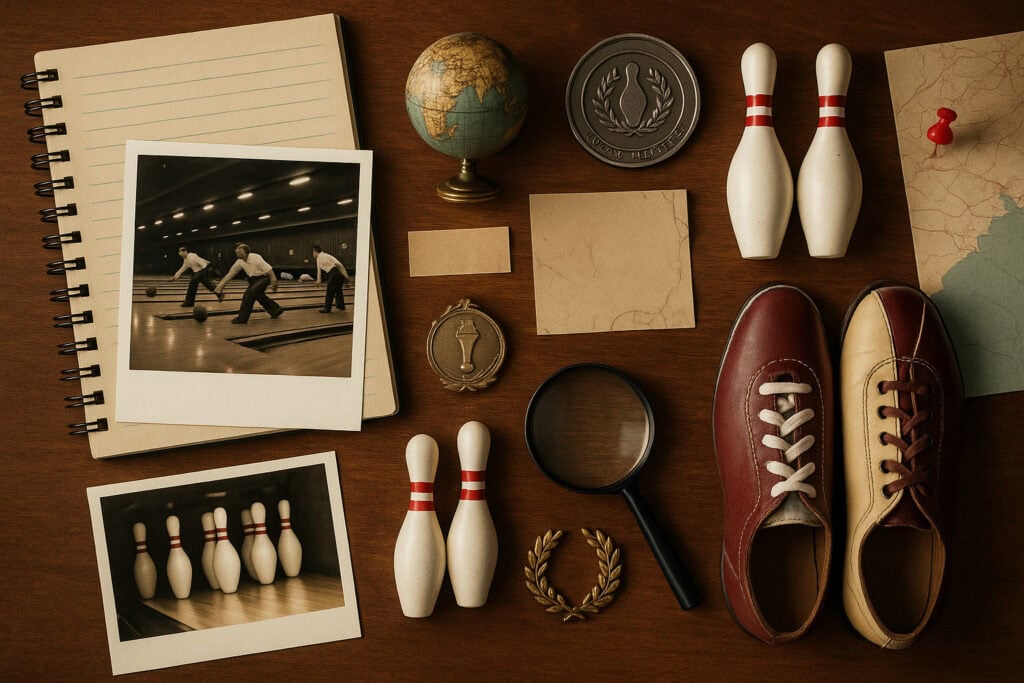
Bowling has brushed the Olympic stage before. It was a demonstration sport at the 1988 Seoul Games, which means athletes competed but no official medals were awarded. You can still find records of that one-day showcase at the Seoul Royal Bowling Center.
Beyond the Olympics, bowling shows up often at major multi-sport events. For example, it’s been part of the Pan American Games since 1991 after an earlier demo outing in 1983. In Asia, bowling debuted at the 1978 Asian Games in Bangkok and has appeared at many editions since.
The sport also has a formal world governing body. The International Bowling Federation (IBF)—formerly known as FIQ/World Bowling—has long overseen tenpin and ninepin globally and is documented as recognized by the Olympic movement. This matters because recognition is a basic requirement to even be considered for the Olympic program.
Why isn’t bowling in the Olympics? The 5 Reasons
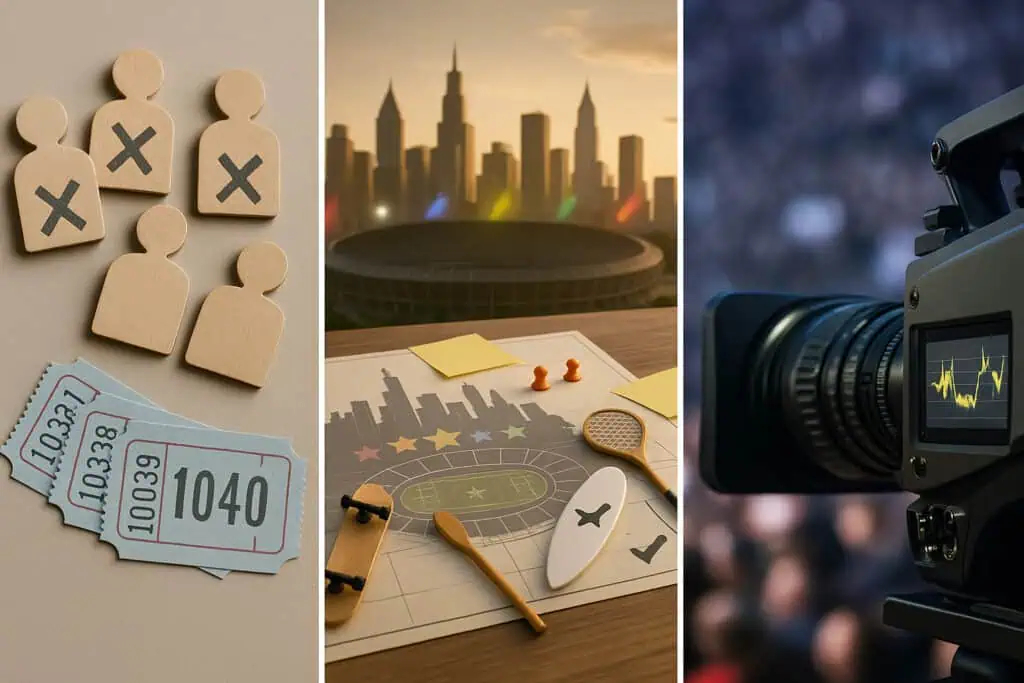
Let’s keep this simple. There isn’t one single “bad” reason; rather, there’s a stack of practical filters that any sport must pass, and bowling just hasn’t cleared them all at the same time when decisions were made.
There are only so many spots.
The Olympic program can’t add everything. Since 2016, the IOC lets each host city propose a few “extra” sports for that Games only. Tokyo picked sports like skateboarding and surfing; Paris introduced breaking; and Los Angeles 2028 proposed cricket, flag football, lacrosse, squash, and the return of baseball and softball (these were approved). When five get in, dozens don’t. Bowling has simply been on the outside looking in.
Hosts choose sports that fit their moment.
Under IOC rules, the host and IOC weigh things like youth reach, venue fit, community interest, and broadcast potential. Because of that, choices often tilt toward what will make that edition pop—think local fan base (baseball/softball in the U.S.), growth markets (cricket’s global audience), or fast-rising youth trends (skateboarding). Bowling is popular, but it hasn’t been the “headline” choice in those rounds.
TV and “how it looks” matter.
This can feel unfair, but it’s real. Sports that are easy to follow at a glance and deliver quick, dramatic highlights tend to rank higher. Bowling’s scoring is simple, yet matches are methodical and the drama builds slower. That’s great for fans, but it can be a tougher pitch compared with sports that deliver instant “wow” for casual viewers. Meanwhile, tournament formats that bowlers love (e.g., qualifying blocks) take time, and airtime is precious.
Bowling isn’t missing basics, just momentum.
The sport has global participation, gender balance, and relatively manageable venues (you can build lanes in temporary halls). It even has a long-standing international federation. Nevertheless, when the shortlist forms, bowling has lacked the one killer argument, like massive new audiences or a must-have local story, that pushes it over the top that year.
It’s a crowded queue every cycle.
Each Games brings a new contest among great sports: karate, wushu, squash (now in for LA28), cricket (back after a century), and more. Even excellent cases lose when the program is full. Bowling is competing against other strong, well-run bids every time.
Bottom line: the answer to why bowling isn’t in the Olympics isn’t that it’s not “sporty” enough. It’s mainly limited space, host priorities, and media calculus—and bowling hasn’t been the host’s best fit yet.
FAQs: bowling and the Olympics

Has bowling ever been in the Olympics?
Yes, but only as a demonstration sport in 1988 (not for official medals).
Is bowling recognized by the Olympic movement?
Yes. Bowling has a long-standing international federation (IBF/World Bowling), which is a key box to tick for Olympic consideration. Recognition alone doesn’t guarantee inclusion, though.
What would it take for bowling to make the Olympic program?
In short: a host city would need to propose it, and the IOC would need to approve it based on reach, gender balance, cost, venue fit, anti-doping, governance, and broadcast appeal. Strong youth engagement and a can’t-miss media package would help.
Is bowling in other big multi-sport events?
Yes. It’s been part of the Pan American Games since 1991 and has a history in the Asian Games. It’s also a frequent feature of The World Games, which showcase top non-Olympic sports.
Is “lawn bowls” the same as bowling?
No. Tenpin bowling (the one with heavy balls and ten pins) isn’t the same as lawn bowls (a target sport with biased balls rolled on grass or indoor carpets). They’re different sports with different federations and event histories.
Does the lack of an Olympic spot mean bowling isn’t “athletic”?
Absolutely not. Elite bowlers train strength, mobility, repeatability, and mental focus. The absence from the Olympics is a programming issue, not a judgment on athletic merit.
Bonus: neat facts about bowling and the Olympics

- 1988 was a proper test drive. Seoul built a full plan for bowling’s demonstration day—lanes, officials, and a compact field. That experiment is still part of the sport’s lore.
- The World Games keep it in the spotlight. When a sport isn’t on the Olympic program, The World Games often become its big global stage. Bowling has been featured many times there.
- Host cities shape the list. Because hosts now propose extra sports, the mix can swing with local tastes. That’s why LA28 looks different from Tokyo or Paris.
- Recognition is real, just not decisive. The IBF’s long history and recognition show bowling meets baseline standards for governance and rules, but the final “in or out” still depends on each edition’s broader program needs.
Final word: why bowling isn’t in the Olympics
It’s not because it lacks skill or seriousness, but because there isn’t room for every good sport, and recent hosts picked other options that served their moment better. That can change. If a future host sees bowling as a perfect fit (and the pitch nails youth appeal, venues, and broadcast value), then bowling could finally roll onto the Olympic stage.
Interested in exploring similar posts? Visit the Cultural Rituals & Society hub for more!
I’ve never thought a about it, really. Bowling should be just for fun anyway!