
TL;DR: Why do baseball players spit? Mostly because the game is slow and dusty, so players chew and spit to clear shells or grit, keep a moist mouth, manage nerves, and stick to long-held routines; tobacco use is shrinking due to rules, and the “spitball” itself has been illegal since 1920.
A quick history of spit, seeds, and gum in baseball
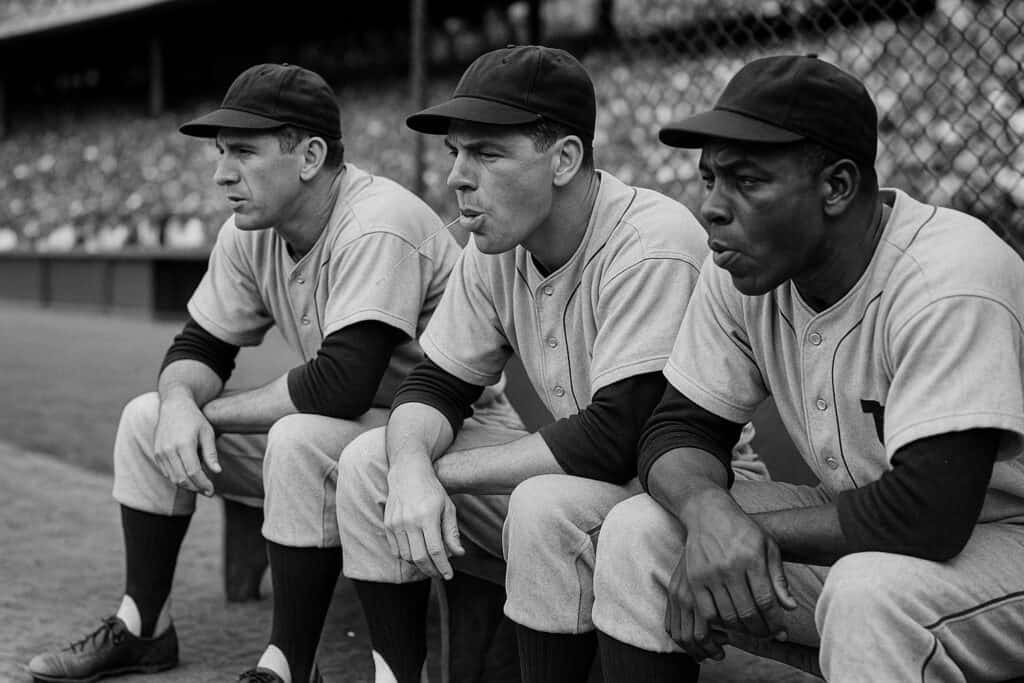
Baseball long mixed spitting with chewing tobacco. Early pros kept their mouths moist on dry fields and, for a time, even used saliva on the ball (the infamous spitball). That pitch was outlawed after 1920, with only 17 pitchers “grandfathered” until they retired; no one has been allowed to throw it legally since 1934.
Over time, seeds and gum took over the dugout. In many towns and stadiums, smokeless tobacco was pushed out by law, and in 2016 MLB and the players’ union barred new major leaguers from using it. During the 2020 season, pandemic rules even banned spitting (including seeds and shells) at team facilities.
Why do baseball players spit? The 4 reasons
Clearing shells and grit
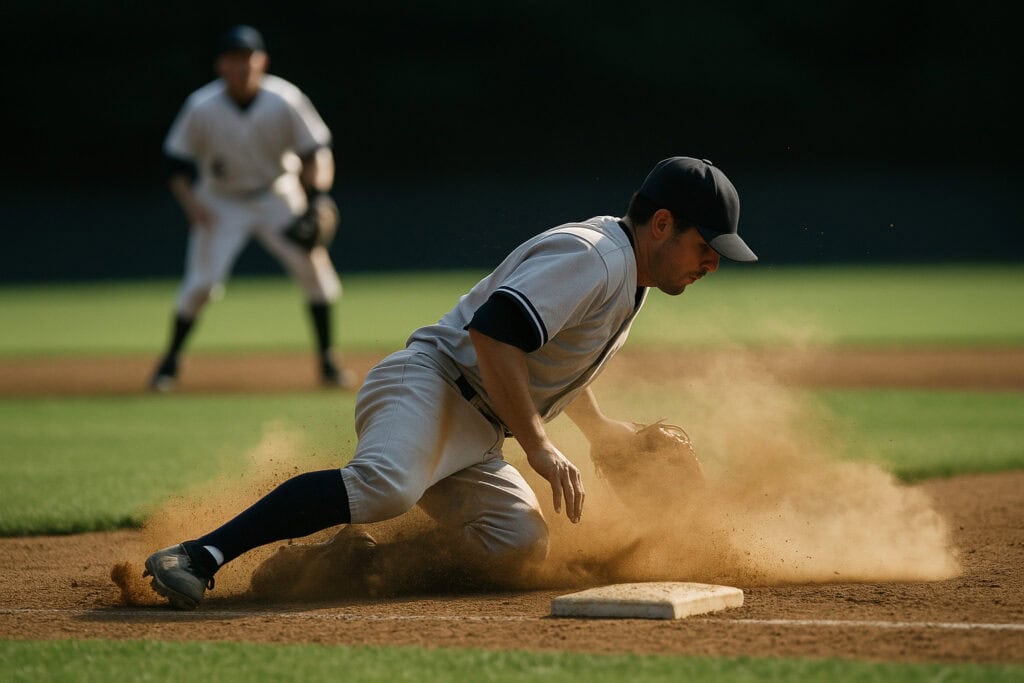
Seeds are part of the culture now. Players crack them, hold the kernels, and spit the shells. Sliding and fielding can also leave a dusty taste, so spitting helps clear the mouth fast without a water break.
Dry mouth, dust, and heat
Ballparks can be hot and dry, and infield dirt kicks up. Chewing gum boosts saliva, which keeps the mouth moist; players then spit excess saliva and dirt. This is simple, quick, and works between pitches.
Nerves, focus, and routines
Baseball has long pauses. Chewing gives a rhythm, calms stress, and keeps attention on the next pitch. Many players stick to the same small habits every game, which makes spitting look constant.
Culture and copycat habits
Rookies copy vets. Fans copy stars. Seeds, gum, and the spit that comes with them became a ritual years ago, especially as tobacco faded. The habit survives even as rules and health advice changed.
Rules, not loopholes, the spitball is different
Today’s spitting is not about doctoring the ball. Applying saliva or any foreign substance to the baseball is illegal, and pitchers can’t spit on their hands, glove, or the ball. That ban dates to 1920 and is reinforced by modern guidance on foreign substances.
FAQs about baseball players’ spit
Is spitting itself allowed in MLB right now?
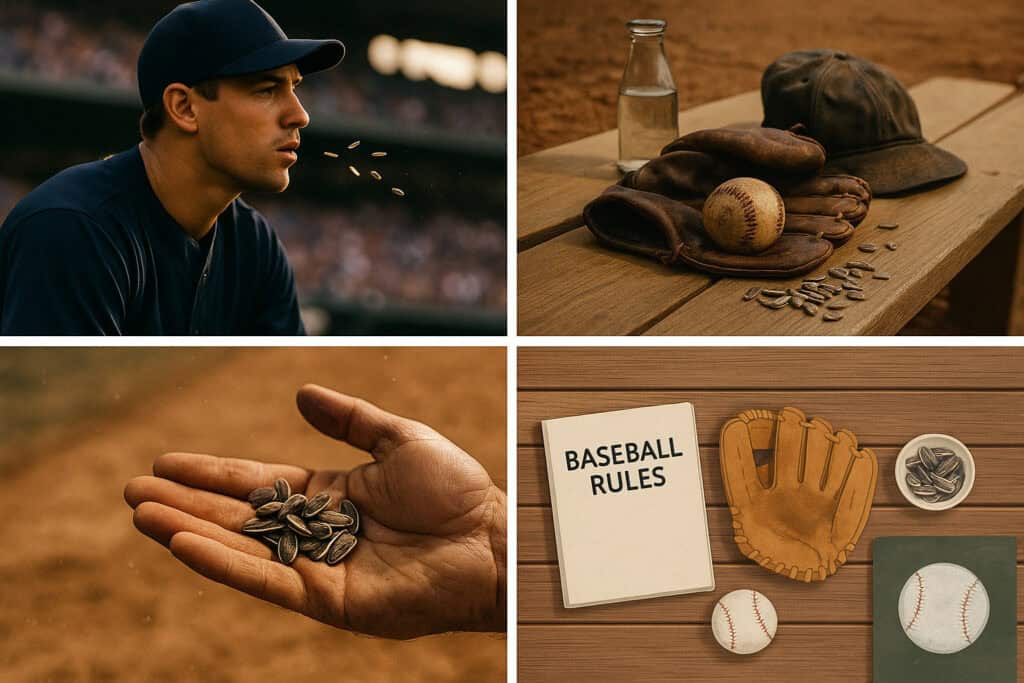
As a general matter, yes; there’s no standing league-wide ban like in 2020. However, pitchers still cannot put saliva (or other substances) on the ball or their hands. Pandemic-era rules temporarily banned all spitting, including seeds and shells, but that was specific to 2020 protocols.
Why do baseball players spit sunflower seeds instead of tobacco?
Because tobacco use has been pushed out by city laws and the 2016 rule barring new MLB players from smokeless tobacco. Seeds and gum gave players the chew without the tobacco.
Do players still chew tobacco at all?
Use is way down and restricted. The 2016 CBA banned it for new players, and many ballparks are tobacco-free by local law. Enforcement ties into the CBA when cities pass stadium bans.
Why do pitchers lick their fingers but can’t use a “spitball”?
Pitchers sometimes moisten fingers for feel in dry or cold conditions, but rules require them to wipe off before touching the ball; they cannot apply saliva to the baseball. The spitball remains illegal.
Did MLB really ban spitting during COVID-19?
Yes. In 2020, MLB’s operations manual prohibited spitting of any kind at team facilities, including seeds and shells; gum was still allowed. Clubs also expanded dugout space and allowed a wet rag for pitchers as a finger-moisture workaround.
Does chewing gum actually help performance?
Evidence shows chewing can aid attention and mood in some settings, and many players say it helps them focus and relax during long games. That said, it’s a small boost, not magic.
Bonus: fun facts related to baseball players’ spit
The last legal spitballer
When MLB fully ended the spitball, 17 pitchers were allowed to keep throwing it until they retired. The very last was Burleigh Grimes, who retired in 1934.
Seeds as a symbol
Writers often credit the rise of packaged sunflower seeds in the 1970s to star power and convenience; they’re pocket-size, salty, and perfect for long games with little gear to carry.
Tobacco-free ballparks keep growing
San Francisco led the way in 2016, and now more than half of MLB stadiums are tobacco-free because of local and state rules. Cities continue to propose bans that include nicotine pouches.
Final word: why do baseball players spit?
In short, baseball players spit because the game’s slow rhythm, dusty fields, and nervous energy pair naturally with chewing and quick mouth-clearing. Tradition keeps it visible, but rules limit anything that would touch the baseball itself, and public-health moves have pushed tobacco out while leaving seeds and gum in.
Interested in exploring similar posts? Visit The Science of Everyday Life hub for more!