
TL;DR: Protein supplements are so expensive because the raw proteins (like whey and pea) got pricier, factories pay more for energy and packaging, global shipping stayed volatile, and “extras” (flavours, third-party testing, certifications, retail cuts, and sometimes VAT) pile on. Recent whey spikes and higher UK business energy costs have kept shelf prices up even as logistics eased a bit.
Protein supplements: some history and background
Before we talk money, a quick look at what you’re buying.
From cheese by-product to gym staple
Whey comes from the liquid left after making cheese. Over time, dairy tech turned that “leftover” into a high-value ingredient with different grades (concentrate, isolate, hydrolysed) used in shakes and bars worldwide.
How powders are made (the simple version)
Modern plants use membrane steps like microfiltration and ultrafiltration to concentrate and purify proteins, then dry them into powders. (Plant proteins such as pea protein also go through extraction and drying, but from pulses rather than milk.) These processes shape taste, texture, and protein percentage per scoop.
Who’s buying now
Demand has broadened from bodybuilders to everyday snackers; women’s products, in particular, are growing fast. That wider audience means more flavours, formats, and brand variety on shelves.
Why are protein supplements so expensive? 10 Reasons
Ingredient markets: the biggest reason
Whey and other protein inputs have seen record or near-record price phases in the last couple of years. In 2024–2025, industry trackers showed costly whey streams feeding into sports-nutrition prices. Plant proteins (like pea) also faced tight supply and inflationary pressure during 2021–2022, with lingering effects. When the base ingredient jumps, the tub price follows.
Isolate vs. concentrate: when you pick “purer”
Isolates cost more because they need extra filtration and purification steps to push protein higher and lactose/fat lower. More steps = more equipment time and yield loss = higher price per serving. Hydrolysed proteins add yet another step (pre-digestion), which can raise costs further.
Energy and utilities: a quiet driver
Dryers, chillers, pumps and clean-rooms guzzle power. UK business energy stayed elevated post-crisis, and manufacturers have said higher electricity prices squeeze margins, so some of that ends up in retail pricing.
Packaging and plastics
Tubs, lids, scoops and film are plastic-heavy. Resin prices surged in 2021, and while not as extreme now, those waves reset many supplier contracts. Packaging inflation rarely rolls fully back.
Shipping and logistics: when a container gets pricey, so does your protein
International freight got wildly expensive in 2021–2022 and remains volatile. Even after big drops, indices still bounce, and every jump adds pennies to each unit after import, warehousing and distribution.
Flavours, sweeteners, and texture systems
Great taste costs. Brands pay flavour houses for custom profiles (think “salted caramel cookie”) and add gums or enzymes for mixability. Those inputs aren’t free, and premium SKUs layer them on more heavily.
Testing, compliance, and certifications: the cost of trust
Reputable brands follow GMPs and often pay for third-party audits or certifications (e.g., NSF/ANSI 455–2 or Certified for Sport) to screen for label accuracy and banned substances. These audits, sampling, and ongoing surveillance add real costs per batch.
Safety controversies push more testing
Media reports about heavy-metal findings in some powders (debated by industry groups) nudged brands toward stricter supplier controls and extra testing. Those labs, and rejected batches, affect final pricing.
Marketing, retail margins and promos
Sponsored athletes, influencers, eye-catching labels, and supermarket or marketplace fees all take a slice. A mass-market tub often passes through brand → distributor → retailer, each adding margin before you see the price tag.
Taxes and VAT: it depends on the product
UK VAT can vary. Some powdered food supplements may be zero-rated as “food,” but beverages (including many ready-to-drinks) are normally standard-rated; disputes do happen. Classification and compliance work add overhead.
FAQs about why protein supplements are so expensive

Is whey isolate “worth it,” or is concentrate fine?
If you’re lactose-sensitive, dieting tightly, or need the highest protein-to-calorie ratio, isolate can be worth the premium. Otherwise, concentrate is usually great value and works for most.
Why did whey get pricier after 2021?
Dairy inputs and whey streams rose sharply after 2021, with farmgate milk and whey ingredient prices climbing; those higher inputs flowed through to sports nutrition.
Why are protein supplements so expensive compared with chicken or beans?
Sometimes they aren’t. Per gram of protein, powders can compete with meats, but cheap whole-food options (like dried legumes) may still win on pure cost. Powders trade price for convenience, portability and fast prep.
Are more expensive powders safer?
Not automatically. Price isn’t a safety guarantee. Look for GMP manufacturing and third-party testing/certifications for real assurance.
Why is creatine cheaper than protein?
Creatine is a single raw material used at ~3–5 g/day, while protein powders deliver ~20–25 g protein per serving and rely on costlier dairy or plant isolates, flavours, and bigger tubs. Lower dose + simpler ingredient = lower monthly spend.
Will prices drop soon?
Hard to predict. Ingredient and energy costs change, and shipping swings. Watch for sales, bulk formats, and simpler formulas to keep your own cost down.
Bonus facts about protein supplements
Whey tech is serious engineering
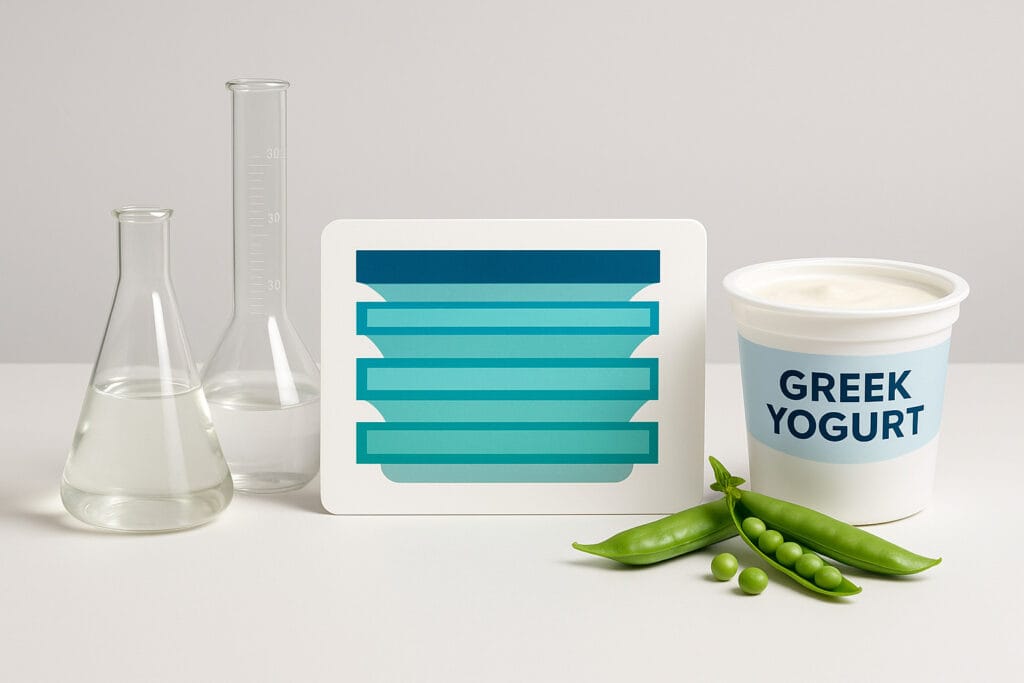
Industrial kits combine reverse osmosis, microfiltration and ultrafiltration to hit the exact protein percentage and flow properties brands want—very different from “just drying milk.”
“Greek” style dairy uses similar ideas
Strained/Greek yogurt often relies on membrane filtration or centrifugation—cousin processes to whey protein manufacture.
Demand waves change flavours on your shelf
As new groups (e.g., more women consumers) join the category, brands expand flavours and formats, which raises development costs before a single tub sells.
Bonus 2: Smart ways to pay less for protein supplements (without junking quality)
Go simple on format
Unflavoured WPC (whey concentrate) is usually cheaper than isolate or hydrolysed. If you digest lactose fine, this is the best value for many people.
Buy bigger, buy fewer times
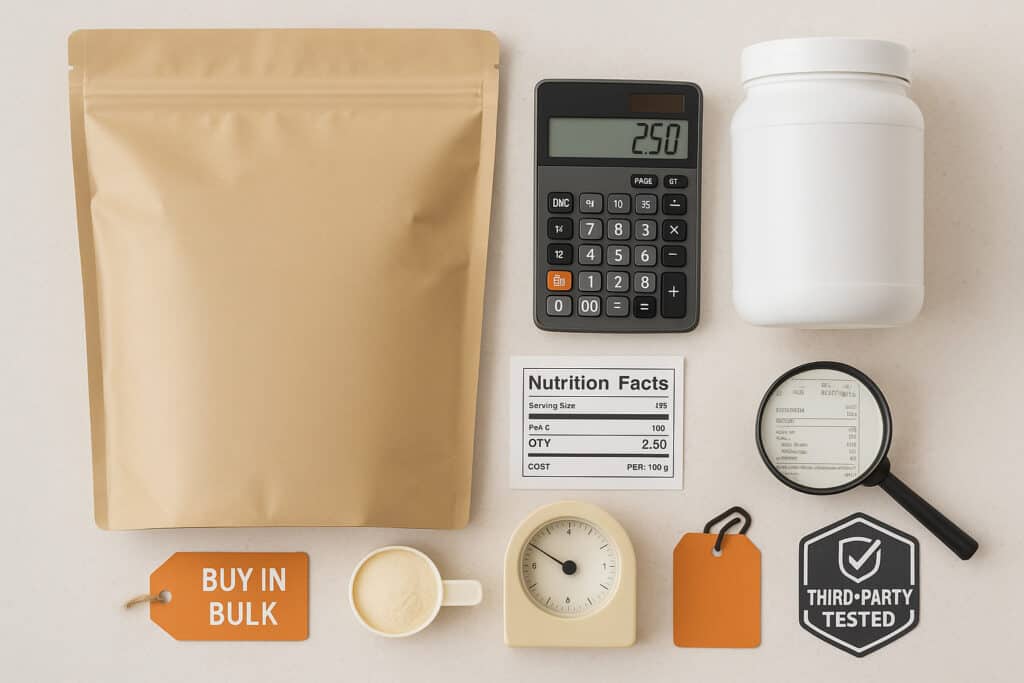
Larger bags usually slash price per serving. Many brands publish the price per 100 g or per serving—use that, not the sticker. (Some even provide calculators.)
Check real protein per pound
Compare grams of protein per £/$, not just scoop count. Some flavoured powders add carbs/fats that lower the protein density.
Look for third-party testing notes
Logos like NSF (or clear batch-testing certificates) help you avoid false economy—cheap but unreliable powders can cost you later.
Final word: Why protein supplements are so expensive
Because you’re paying for a chain: costly inputs (whey/pea), energy-hungry processing, packaging and shipping swings, retailer and marketing layers, plus the bill for safety/testing and, sometimes, VAT. If you want to spend less, pick simpler formulas, buy bigger bags, compare by grams of protein, and favour brands that publish testing without charging “luxury” mark-ups.
Interested in exploring similar posts? Visit the Hidden Histories & Origins hub for more!